The journey from Reagan Washington National Airport (DCA) to New York City is one of the most traveled corridors in the United States, connecting two powerhouse cities across a compact yet dynamic stretch of the East Coast. Covering approximately 362 kilometers, this route offers travelers an unusually rich selection of rail-focused and rail-connected travel options. We see this corridor as a masterclass in American intercity mobility, where high-speed rail, regional commuter trains, subways, and airport connectors form a surprisingly coherent network. The average end-to-end duration can be as fast as 1 hour 59 minutes when combining flights and rail, while pure rail and rail-based options typically fall within the 3 to 5 hour range, offering a strong balance of speed, comfort, reliability, and city-center convenience.
This guide explores eight practical ways to travel from DCA to New York using train-centric or rail-integrated routes, designed for travelers who value precision, predictability, and a seamless urban-to-urban experience. We approach this route as experienced editors and meticulous travelers: focusing on real-world workflow, transfer logic, station layouts, comfort expectations, pricing logic, and time optimization rather than superficial comparisons.
Why the DCA to New York Corridor Favors Train-Based Travel
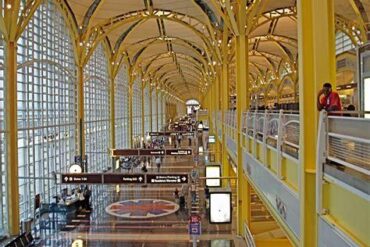
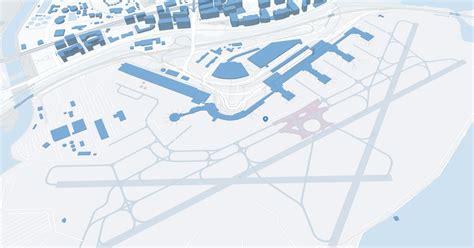
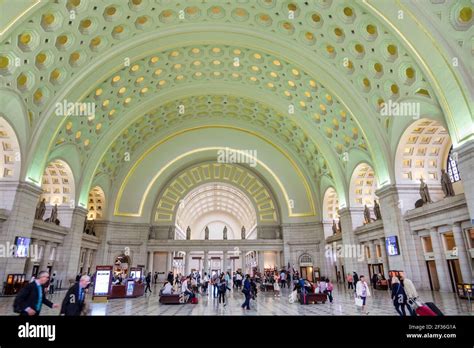
What makes this particular route exceptional is the way rail infrastructure stitches together the entire experience. Reagan Washington National Airport sits directly on the Washington Metro system, allowing almost frictionless access to Washington Union Station, the rail gateway to the Northeast Corridor. In New York, the arrival points are equally strategic: Moynihan Train Hall at Penn Station and Grand Central Terminal, both embedded in Manhattan’s transit core.
The practical effect is simple and powerful: travelers avoid highway congestion, reduce airport security friction for short-haul flights, and arrive directly inside downtown rather than on urban peripheries. For business travelers, this means predictable schedules and productive travel time. For leisure travelers, this means a calmer, more scenic, and more humane experience.
Option 1: Metro + Amtrak Acela High-Speed Train (Most Balanced Rail Experience)
This is the most refined and rail-pure option for travelers who want speed without the unpredictability of air travel. The experience begins at DCA by boarding the Washington Metro Yellow or Blue Line, heading north through the city. A short, intuitive transfer via the Red Line at Gallery Place places travelers directly at Washington Union Station, one of the country’s most architecturally impressive rail hubs.
From here, Amtrak Acela trains operate at high frequency to New York Moynihan Train Hall at Penn Station. Onboard, passengers enjoy wide seating, quiet cabins, power outlets, and café service. The typical rail time ranges from 2h 55m to 3h 36m, depending on stops and service patterns. This method is widely regarded as the most balanced combination of speed, comfort, and city-center arrival.
Option 2: Metro + Amtrak Northeast Regional (Value-Oriented Rail Journey)
For travelers who prioritize price flexibility while keeping a fully rail-driven experience, the Amtrak Northeast Regional service presents a compelling alternative. The initial segment mirrors the Acela route: Metro from DCA to Union Station via interconnected lines.
Once onboard the Northeast Regional, the ride is slightly slower, but offers generous luggage allowances, reliable Wi-Fi on many services, and a steady, scenic ride through Maryland, Delaware, and New Jersey. The pricing structure ranges dramatically based on demand, from highly affordable advance fares to premium last-minute bookings. The experience feels more traditional and relaxed, appealing to travelers who value calm continuity over pure speed.
Option 3: Fly DCA to LaGuardia + Subway Rail Connection (Fastest Rail-Linked Option)
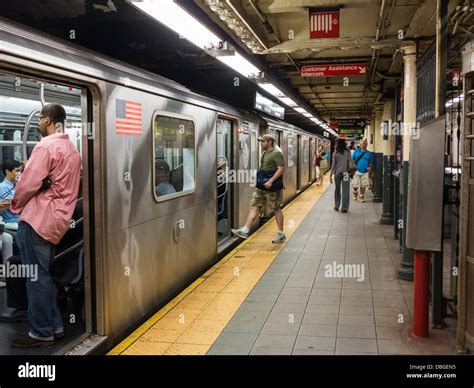
This hybrid option delivers the fastest total journey time when conditions align. A short flight from DCA to LaGuardia Airport (LGA) typically takes under 60 minutes of airborne time. Upon landing, travelers connect to the New York City Subway via established bus–rail links, transferring at Jackson Heights–Roosevelt Avenue and continuing through Manhattan to major hubs such as W 4 St–Washington Square.
The brilliance of this option lies in its rail-based urban mobility. Instead of relying on taxis or road-based transfers, the subway delivers consistent speed, predictable arrivals, and direct access to downtown neighborhoods.
Option 4: Fly to JFK + AirTrain and Regional Rail Connection
A more internationally aligned version of the rail-air-rail workflow uses John F. Kennedy International Airport (JFK). After flying from DCA, passengers access the AirTrain JFK, which connects directly to regional rail services feeding into Penn Station.
This route shines for travelers with international connections, premium lounge access, or loyalty-based airline status. The rail continuity remains intact, turning otherwise fragmented airport transfers into a fluid rail-mediated experience.
Option 5: Fly to Newark + Airport Rail Link to Penn Station
Newark Liberty International Airport (EWR) is one of the most rail-integrated major airports in the United States. A short flight from DCA lands travelers at EWR, where the Newark Airport Railroad Station connects seamlessly to New York–bound trains.
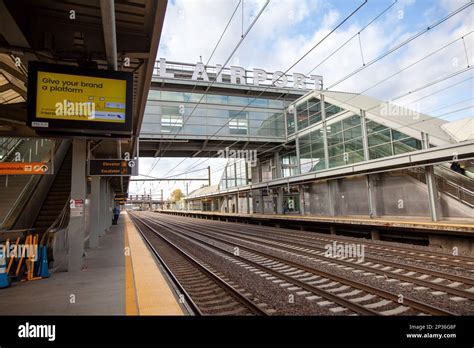
The transition from aircraft cabin to rail carriage is unusually smooth here, often taking less than 30 minutes door-to-platform. This option appeals strongly to travelers who want to avoid Manhattan airspace congestion while preserving a rail-centered arrival.
Option 6: Fly to Westchester County Airport + Metro-North Commuter Rail
This route offers a more relaxed, less crowded airport experience. After landing at Westchester County Airport (HPN), travelers take a short ground transfer to the White Plains rail station, where Metro-North Railroad services deliver a direct ride to Grand Central Terminal.
This path shines for travelers targeting East Midtown Manhattan, premium hotels around Park Avenue, and business districts surrounding Grand Central. It is calmer, more spacious, and often undervalued despite its strategic efficiency.
Option 7: FlixBus via Union Station + Rail-Style Terminal Experience
While technically a bus, this option deserves inclusion due to its strong rail-like workflow. Passengers first travel from DCA to Washington Union Station, then board FlixBus services departing from the same intermodal hub.
The arrival point in New York is near Penn Station, preserving the rail-terminal-style arrival experience. This route is often chosen by budget-conscious travelers who still want the organizational structure of major rail terminals instead of roadside bus stops.
Option 8: Subway + Regional Rail Hybrid Transfers
For travelers who enjoy fully integrated public transit networks, this option combines Washington Metro segments with regional rail transfers in a modular fashion. These journeys often involve strategic transfers that mimic European-style rail mobility. While slightly more complex, they offer remarkable control over scheduling and cost, especially during peak travel periods.
Practical Travel Strategy for Time, Cost, and Comfort Optimization
We observe that the pure rail option via Amtrak Acela remains the most strategically sound for most travelers due to:
- Direct city-center to city-center connectivity
- Predictable scheduling
- Premium comfort standards
- Minimal operational friction
For travelers driven by raw speed, the fly-and-subway or fly-and-rail hybrids achieve the shortest door-to-door timing under ideal conditions. For price-sensitive travelers, the Union Station bus-rail hybrid and Northeast Regional trains consistently deliver strong value.
The corridor between DCA and New York is not just a route; it is a living laboratory of American intermodal design. It demonstrates how rail remains not only relevant but structurally superior in dense, high-demand urban corridors. Every transfer point on this journey has been optimized over decades to reduce friction, increase reliability, and protect traveler time.
We view this route as one of the most refined examples of practical mobility in North America. The presence of Moynihan Train Hall, Washington Union Station, and seamlessly embedded airport rail connectors creates a travel ecosystem that rewards planning and rail-centered thinking.
Final Perspective on Train-Centric Travel from DCA to New York
The DCA to New York corridor proves that modern rail is not a nostalgic relic but a highly evolved system capable of outperforming road and short-haul air travel in predictability, comfort, and urban access. By choosing one of these eight rail-centric or rail-integrated options, travelers effectively trade chaos for structure, and wasted time for usable, productive hours.
This is not merely transportation. This is infrastructure working as intended — fast, orderly, and deeply respectful of the traveler’s time.