Understanding Red Eye Flights and Their Role in Air Travel
Red eye flights are typically overnight flights that depart late at night and arrive at their destination early the next morning. These flights are most commonly associated with coast-to-coast travel in the United States, such as Los Angeles to New York, or long-haul international routes. The term “red eye” comes from the red eyes passengers often have due to lack of sleep. Despite their name recognition, there are many misconceptions about these flights, particularly regarding their availability, cost-efficiency, and strategic use for frequent flyers or budget-conscious travelers.
We must begin with a clear understanding: red eye flights are not universally cheaper. They are scheduled based on operational logistics and customer demand, not necessarily to offer a discount. While some red eyes may offer competitive fares due to off-peak travel timing, others are priced in line with standard daytime flights. Factors such as airport landing slots, crew scheduling, and fleet optimization heavily influence whether a red eye is offered and how much it costs.

Where to Search for Red Eye Flights
To find red eye flights, we recommend starting with advanced flight search engines that allow users to sort or filter by departure time, arrival time, and flight duration. Some of the most reliable platforms include:
-
Kayak.com: Offers flexible time filters and marks red eye flights with a small red eye symbol.
-
Google Flights: While it doesn’t offer a specific red eye filter, sorting by departure time after 9 PM often returns red eye options.
-
Expedia, Priceline, Orbitz: These platforms allow custom time-of-day filters for outbound and return flights.
However, no platform provides a dedicated red eye-only search option, and herein lies the challenge. Travelers must manually explore late-night flight windows to uncover these options. Sorting by cheapest fare and then reviewing departure times is often more effective than searching explicitly for red eye flights.
Are Red Eye Flights Actually Cheaper?
Contrary to popular belief, red eye flights are not inherently less expensive. Airlines use complex dynamic pricing algorithms that factor in current demand, seat availability, and projected load factors. Departure time plays a smaller role in pricing than many assume.
There are several variables that determine red eye pricing:
-
Route popularity: Red eyes on high-demand routes (e.g., LAX to JFK) may be priced the same or even higher due to demand from business travelers.
-
Travel seasonality: Holiday periods or high tourist seasons can elevate prices regardless of the hour.
-
Airport fees and curfews: Some airports impose restrictions or premiums on night operations, which can raise ticket costs.
In essence, cheap red eye flights exist—but not because they’re red eyes. They exist because the market momentarily favors the traveler, not the airline.
Strategic Reasons to Book a Red Eye Flight
While pricing is one aspect, strategic time management is often the true benefit of red eye flights. Business travelers, in particular, value red eyes because they can attend full workdays at both ends of a trip without taking vacation or missing critical meetings.
Key advantages include:
-
Maximizing daytime productivity by flying overnight.
-
Avoiding hotel fees for one night.
-
Bypassing traffic and airport congestion, as late-night travel often involves shorter lines and quicker boarding.
-
Quicker customs and immigration processing in international hubs due to lower passenger volumes.
That said, red eye flights can be physically demanding. Poor sleep quality, time zone fatigue, and late-night transportation gaps can hinder overall travel efficiency.
Red Eye Considerations for International and Domestic Flights
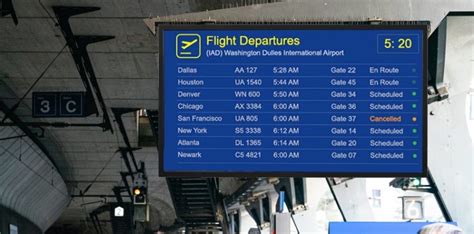
In the U.S., red eye flights are most common on transcontinental routes, particularly between California and the East Coast. These flights typically depart between 10 PM and 1 AM and land between 5 AM and 7 AM.
Internationally, red eyes are a staple in intercontinental air travel. Routes from North America to Europe, Asia to the U.S., or Australia to Asia frequently use overnight schedules to sync with time zones and facilitate daytime arrivals.
When booking internationally, pay close attention to time zone differences and jet lag potential. If you cannot sleep well on planes, arriving at 6 AM in a new country after a 12-hour flight could make your first day nearly unproductive.
Hidden Costs and Pitfalls of Red Eye Flights
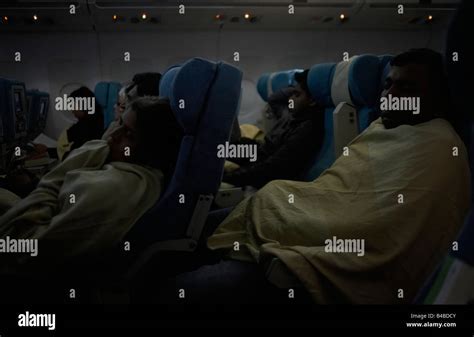
Despite their perceived convenience, red eye flights come with hidden trade-offs. While they save daylight hours, they can cost travelers more in other ways:
-
Increased transportation costs: With limited late-night public transit, travelers may need to pay for taxis or rideshares to get to and from the airport.
-
Disrupted sleep schedules: Lack of sleep can impact performance, particularly for work-related trips.
-
Accommodation inflexibility: Hotel check-ins often don’t allow for early morning arrivals, meaning travelers may have to wait hours before gaining room access.
These pitfalls don’t mean red eyes are a poor choice—but they do require planning beyond the flight itself. Always align red eye itineraries with hotel policies, local transportation availability, and your body’s sleep tolerance.
Tips for Booking the Best Red Eye Flights
Booking a great red eye flight involves both timing and tech-savvy decisions. We recommend the following tactics to secure ideal red eye options:
-
Set departure filters to after 9 PM and arrival filters to before 8 AM.
-
Book at least 3 weeks in advance, particularly for busy routes like NYC–SFO or LAX–BOS.
-
Monitor fare alerts using tools like Hopper or Google Flights to track price drops.
-
Search incognito or clear cookies when researching multiple times to avoid price inflation.
-
Check alternative airports near major hubs, such as flying out of Oakland instead of SFO.
-
Avoid red eyes with tight layovers—overnight flight delays can wreak havoc on connecting itineraries.
Do Red Eye Flights Work for Every Traveler?
Red eye flights serve a specific subset of travelers effectively, but they aren’t universally ideal. Business travelers, frequent flyers, and budget-conscious tourists often find value in them. However, families with children, those with medical conditions, or travelers with tight morning schedules may prefer daytime travel.
We advise all travelers to weigh:
-
Personal tolerance for discomfort
-
Flexibility of destination arrangements
-
Cost-benefit ratio of overnight savings vs. lost rest
Choosing a red eye is not just about the price—it’s about the purpose of your trip and how time and comfort align with your goals.
Final Thoughts: Red Eyes as a Tactical Travel Tool
While red eye flights aren’t the secret budget hack they’re sometimes assumed to be, they remain a valuable strategic option for travelers aiming to conserve time and occasionally reduce costs. With the right search tools and logistical planning, red eyes can offer a compelling balance of efficiency, affordability, and flexibility.
That said, travelers must enter the booking process with realistic expectations. The key to success isn’t just finding a red eye flight—it’s aligning it with your travel goals, preferences, and tolerance for disrupted rest.

FAQs About Where to Find Red Eye Flights
Are red eye flights cheaper than daytime flights?
Red eye flights are not consistently cheaper. Airline pricing depends on demand, route popularity, and seasonal factors. Occasionally, red eye flights may be competitively priced, but they are not guaranteed to be the most affordable.
Which sites are best for booking red eye flights?
Kayak, Google Flights, Expedia, and Priceline all allow users to filter flights by departure and arrival time. While none provide a red eye-specific filter, setting time windows manually between 9 PM and 6 AM helps surface available red eye options.
What should I pack for a comfortable red eye flight?
Consider bringing a travel pillow, noise-canceling headphones, an eye mask, and a light blanket. Comfortable clothing and hydration are essential for overnight comfort. Some travelers also pack melatonin or earplugs to aid sleep.