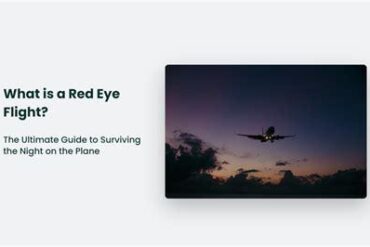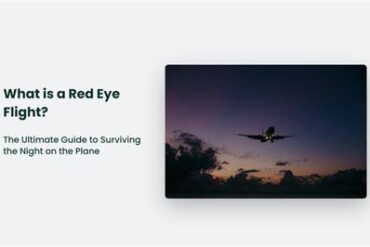
A red-eye flight typically departs between 9 PM and 1 AM and lands between 5 AM and 7 AM. These flights are common on transcontinental U.S. routes—such as Los Angeles to New York—and international flights to Europe and Asia. Major carriers like Delta, American Airlines, and United operate them regularly. The moniker “red-eye” stems from the telltale signs of sleep deprivation travelers often show upon arrival.
Contrary to misconceptions, red-eye flights are not inherently more dangerous. Pilots and flight crews adhere to the same stringent safety protocols and rest requirements mandated across all flight operations. If anything, the quieter skies and reduced traffic can sometimes make for smoother airspace navigation.
The Strategic Advantages of Red-Eye Flights for Business Travelers
Red-eye flights offer a compelling mix of time savings and operational efficiency. Business professionals who utilize these overnight options tap into benefits that elevate their productivity and travel experiences.
Firstly, red-eye flights are time-efficient. You can board after a full workday, sleep en route, and arrive refreshed for morning meetings. This eliminates the need to dedicate a full day to transit, preserving billable hours and critical decision-making windows.
They are also cost-effective. Because red-eyes are less in demand, airlines often offer tickets at a 10–20% discount compared to daytime fares. For organizations managing travel budgets, this can translate to significant annual savings.
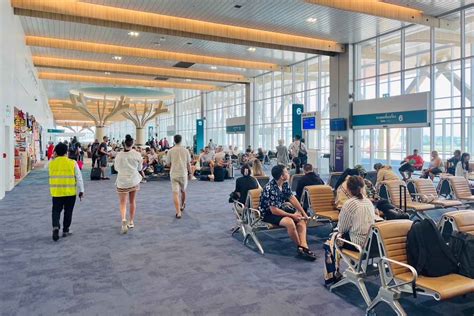
Additionally, airports are less congested during the late-night hours. This means breezier check-ins, shorter security lines, and a generally calmer ambiance—an underrated boon for seasoned travelers juggling calls and last-minute emails.
Finally, premium seat availability improves on red-eyes. With reduced passenger volume, travelers are more likely to snag extra legroom or even first-class upgrades without excessive cost.
The Drawbacks: Why Red-Eyes Aren’t for Everyone
Despite their upsides, red-eye flights do pose challenges. Chief among them is disrupted sleep. Not all travelers can easily rest on a plane, and fatigue can carry over into critical morning engagements. This grogginess, especially after long-haul flights, can impair focus and decision-making.
Amenities are also limited. Many airport lounges and restaurants close early, leaving passengers with limited food or drink options. In the air, airlines may only provide snacks rather than full meals.
In-flight service may be reduced as flight attendants limit activity to maintain a quiet cabin. While this aids sleep, it can be inconvenient for those needing assistance mid-flight.

How to Find Red-Eye Flights Quickly and Efficiently
For time-strapped professionals, identifying the right red-eye is crucial. Most major airline websites and mobile apps offer search filters. To find red-eyes, set departure windows from 9 PM to 1 AM and arrival times between 5 AM and 7 AM.
Google Flights, Expedia, and Kayak also support time-specific filters. After narrowing results by time, sort by price or airline to find the best mix of comfort and cost.
For enterprise-level travel management, tools like Engine provide unified dashboards. Business travelers can view flight, accommodation, and itinerary details all in one interface, ensuring efficient travel logistics.
Some companies also benefit from dedicated corporate travel agents, who use proprietary systems to book tailored red-eye itineraries, taking loyalty programs, seat preferences, and travel history into account.
Essential Preparations Before Boarding a Red-Eye Flight
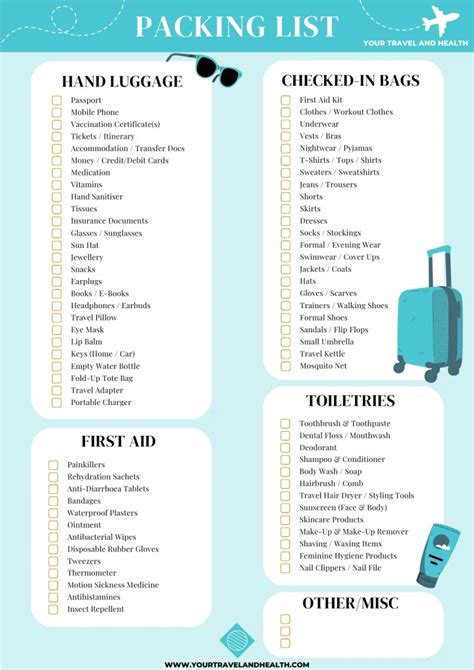
To turn your red-eye from an exhausting ordeal into a strategic advantage, preparation is essential. It starts with intentional packing. Your carry-on should include breathable clothing for the flight, business attire for the next day, and toiletries for post-landing refreshment. Don’t forget noise-canceling headphones, an eye mask, and hydration essentials.
Finish urgent tasks beforehand to avoid late-night laptop marathons on the plane. This allows you to maximize rest time and stay sharp after arrival.
Choose your seat wisely. A window seat lets you lean your head against the wall, promoting sleep. Avoid seats near galleys or restrooms to minimize noise and foot traffic.
Dress in layers, since cabin temperatures are unpredictable. And eat a light, protein-rich meal before boarding—heavy or greasy foods can make sleep more difficult and increase digestive discomfort mid-flight.
In-Flight Strategies: Staying Comfortable and Rested
Once in the air, focus on maintaining comfort and maximizing rest. Noise-canceling headphones help block engine hum and chatty neighbors. An eye mask darkens your environment, offsetting overhead lights or glowing screens.
Hydration is critical. Airplane cabins are notoriously dry, and dehydration exacerbates fatigue. Sip water consistently before and during the flight. Avoid alcohol and caffeine, which can disrupt sleep patterns and lead to grogginess.
For those unable to sleep for long stretches, short power naps of 20–30 minutes can reduce the cognitive effects of sleep deprivation. When awake, take occasional walks up and down the aisle or stretch in your seat to maintain circulation and reduce stiffness.
Engine: Simplify Your Red-Eye Business Travel Management
For frequent red-eye travelers, Engine offers a cohesive solution that makes booking and managing travel seamless. The platform integrates flight searches, hotel bookings, and car rentals in one interface, eliminating the need to juggle multiple apps or confirm details across various platforms.
Engine is completely free and imposes no contracts, minimum spend requirements, or hidden service fees. This makes it ideal for companies of all sizes—from startups to enterprise teams—looking to streamline travel operations without incurring overhead.
By automating itinerary creation and enabling real-time travel updates, Engine ensures travelers stay informed, organized, and focused on their goals. It even supports flexibility features, helping users rebook or adjust red-eye flights with ease when meetings run late or plans change.
FAQs About Red-Eye Flights
What time is considered a red-eye flight?
Red-eye flights usually depart between 9 PM and 1 AM and arrive between 5 AM and 7 AM, taking advantage of quieter skies and reduced airport congestion.
Are red-eye flights less turbulent?
Generally, yes. Overnight flights often encounter less turbulence due to cooler, calmer air at night. However, turbulence still depends on route and weather, especially over oceans or mountainous regions.
Can red-eye flights help with jet lag?
Red-eyes can reduce jet lag if managed correctly. Because they mimic natural sleep cycles, sleeping on the plane and adjusting to local time upon arrival can help synchronize your body clock. Exposure to sunlight upon landing and staying hydrated further aid the adjustment.
Red-eye flights remain one of the most underutilized strategies for efficient business travel. By learning how to find the right flights, preparing effectively, and using tools like Engine, professionals can transform their overnight trips into high-performance, low-stress journeys. Whether you’re closing a deal across the country or managing a team overseas, red-eyes give you the gift of time—a resource no executive can afford to waste.