Red-eye flights occupy a unique place in modern aviation. They allow passengers to travel overnight, maximize time at their destination, and sometimes avoid paying for an extra hotel night. From the outside, these flights may seem quiet, efficient, and almost routine. However, inside the cockpit, the experience is far more complex. Pilots operating overnight flights must navigate a combination of human physiology, fatigue management, operational discipline, and precise planning while flying during the hours when the human body naturally expects sleep.
Accounts from airline pilots reveal that operating a red-eye flight is not merely about guiding an aircraft safely through the night sky. It is about maintaining peak mental performance during the body’s lowest circadian alertness period. Every action—from preflight preparation to post-flight recovery—becomes part of a carefully structured system designed to manage fatigue and ensure safety.
The experience shared by Alaska Airlines First Officer Carlos Alberto Valdez provides an insightful window into this reality. His reflections demonstrate that overnight flying can be both challenging and unexpectedly beautiful, but only when pilots approach the task with deliberate preparation and disciplined routines.
Why Red-Eye Flights Exist in Modern Airline Networks
Red-eye flights are scheduled for reasons that extend far beyond passenger convenience. Airlines rely heavily on overnight operations to maximize aircraft utilization, optimize network connectivity, and deliver early-morning arrivals that suit business travelers and connecting passengers.
For example, many transcontinental flights in the United States depart from West Coast cities such as Los Angeles, San Francisco, or Seattle late in the evening and arrive in cities like New York, Boston, or Washington D.C. early the following morning. This scheduling pattern allows airlines to reposition aircraft overnight while also offering travelers a practical arrival time for work or onward flights.
The economics behind these schedules are powerful. Aircraft are expensive assets, and airlines aim to keep them flying as many hours as possible each day. Overnight flights prevent airplanes from sitting idle at the gate during nighttime hours. For passengers, the arrangement may seem efficient. For flight crews, however, the schedule means working directly against the body’s natural sleep rhythm.
Pilots are expected to maintain precision, decision-making clarity, and situational awareness during hours when human alertness naturally declines. This is why overnight operations demand specialized preparation and strict adherence to fatigue management practices.
Preparing for the Aviation “Graveyard Shift”
For many pilots early in their careers, the idea of flying through the night can be intimidating. The body is programmed to sleep during those hours, and forcing it into a high-performance environment requires adjustment.
First Officer Carlos Alberto Valdez once described red-eye flights as operating on “the back side of the clock.” The phrase captures the sense that overnight flying reverses the normal flow of a pilot’s day. Instead of waking up, preparing for work, and returning home at night, pilots must often stay awake through an entire day before beginning their shift late in the evening.
Experienced pilots develop personal routines that help them handle this unusual schedule. Preparation often begins hours before reporting for duty. Pilots may take a strategic afternoon nap, adjust their meal timing, and carefully monitor caffeine intake to ensure they remain alert during the flight.
Valdez developed his own ritual before night departures. One small but memorable habit involved opening a can of Japanese coffee over ice while gazing at the stars before departure. Moments like this highlight the unusual blend of exhaustion and wonder that defines overnight aviation.

These rituals are not merely comforting traditions. They are part of a broader strategy designed to help pilots align their alertness with the operational demands of the flight.
Flying During the Circadian Low
The greatest challenge of a red-eye flight lies in what scientists call the circadian low. This period typically occurs between 2:00 a.m. and 6:00 a.m., when human alertness naturally reaches its lowest level.
During this window, reaction times slow, attention can drift, and mental processing becomes more difficult. For airline pilots responsible for hundreds of passengers and millions of dollars in equipment, even a small decline in alertness can have serious consequences.
Government safety guidance acknowledges this reality. Aviation fatigue research consistently shows that nighttime operations increase the risk of reduced cognitive performance, especially when pilots have already been awake for many hours before their shift begins.
Some pilots describe the sensation as a gradual mental fog. Others report that the night sky can feel unusually still and quiet, creating a sense of monotony that makes it harder to stay fully alert. Even small irritations can become noticeable during these hours. Pilots often mention dim cockpit lighting, quiet radio traffic, and the slow march of time during cruise as subtle reminders that the body wants to sleep.
The rising sun can also create a strange psychological effect. For crews who have been awake all night, the bright glare of sunrise can feel almost mocking—a reminder that while the world is waking up, they are reaching the end of a long and exhausting shift.

The Hidden Challenge of Quiet Skies
Passengers often assume that overnight flights are easier for pilots because the cabin is dark and most travelers are asleep. In reality, the calm environment introduces a different type of risk: operational monotony.
Aviation fatigue studies show that low workload can be just as dangerous as high workload. When the flight deck environment becomes too quiet and predictable, the brain may struggle to maintain sustained vigilance.
Cruise flight at night often involves long periods where the aircraft is operating normally and no immediate action is required. The autopilot maintains altitude and heading, and air traffic control communications are infrequent. While this might sound relaxing, it can actually increase the risk of attention lapses.
Fatigue research conducted by aviation authorities highlights another concern: microsleeps. These are extremely brief episodes of sleep that can last only a few seconds. They may occur without the person even realizing it.
In aviation, procedures are designed to minimize this risk. Airlines rely on two-pilot crews who constantly cross-check each other’s actions, share responsibilities, and maintain continuous communication throughout the flight.
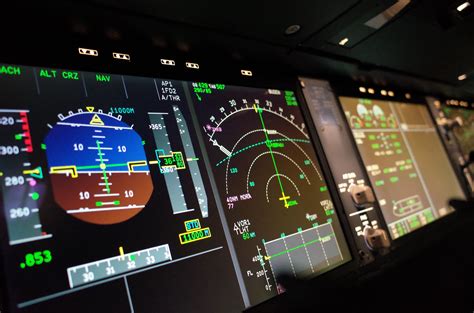
Cockpit discipline becomes especially important during the quiet hours of the night. Pilots review instruments, monitor systems, discuss weather conditions, and regularly verify navigation data. These routine actions serve an important purpose: they keep the mind engaged and reduce the risk of fatigue-related errors.
Why Teamwork in the Cockpit Matters at Night
The two-pilot system used in commercial aviation plays a crucial role in managing fatigue during red-eye flights. Each pilot has specific duties depending on whether they are the Pilot Flying (PF) or Pilot Monitoring (PM) during a particular segment of the flight.
The Pilot Flying focuses primarily on controlling the aircraft and managing the flight path. The Pilot Monitoring handles radio communications, system checks, and cross-verification of flight parameters.
This constant collaboration creates multiple layers of safety. If one pilot experiences momentary fatigue or misses a detail, the other pilot is expected to catch it.
Night flying amplifies the importance of this structure. Communication between pilots often becomes more deliberate and structured during overnight operations. Standardized callouts, checklists, and procedural verification ensure that even routine tasks are completed accurately.
In many ways, the cockpit becomes a carefully controlled environment where professional discipline replaces natural alertness. The system works precisely because it acknowledges the limitations of human physiology and compensates for them through teamwork and procedure.
The Real Challenge Begins After Landing
For many pilots, the most difficult part of a red-eye flight does not occur in the air. It begins after the aircraft reaches the gate.
Once the airplane lands and passengers disembark, the pilot’s body must suddenly confront the reality of severe circadian disruption. After staying awake throughout the night, the brain may still struggle to fall asleep during the day.
Valdez has explained that the recovery period after a red-eye flight can be especially challenging. In some schedules, pilots may fly overnight to the East Coast, receive only a ten-hour rest period, and then operate a return flight later that same day.
These schedules can place enormous stress on the body’s internal clock. Even when regulations guarantee a minimum rest period, the opportunity for sleep does not always translate into actual sleep.
The body may remain alert due to daylight, environmental noise, or lingering caffeine. As a result, pilots often describe feeling exhausted yet unable to sleep deeply.
Fatigue science confirms that sleep loss accumulates over multiple days. A single night of reduced rest may require several days of extended sleep to fully restore normal cognitive performance.
The Role of Caffeine and Controlled Alertness
Caffeine plays a well-known role in helping pilots stay alert during overnight flights. However, its use must be carefully managed.
Aviation fatigue guidance emphasizes that caffeine can temporarily improve alertness, reaction time, and mental clarity. However, it is not a substitute for proper sleep.
Caffeine typically takes about 30 minutes to reach peak effectiveness, and its stimulating effects can last for several hours. For pilots planning to rest after landing, excessive caffeine consumption late in the flight can interfere with the ability to fall asleep later.
This is why many pilots adopt strategic caffeine timing. A small amount early in the cruise phase may help maintain alertness during the circadian low, while avoiding excessive intake near the end of the flight.
In practice, fatigue management becomes a balancing act involving sleep, hydration, nutrition, and careful planning.

Why Red-Eye Flights Remain Essential
Despite the challenges they pose, red-eye flights remain an essential component of the global airline system. Their advantages extend across passenger convenience, airline economics, and network efficiency.
Morning arrivals allow passengers to connect to additional flights, attend meetings, or begin travel activities immediately. For airlines, overnight operations enable aircraft to generate revenue during hours that would otherwise be unproductive.
Some routes depend almost entirely on overnight schedules. Long-haul flights between continents often depart in the evening so that passengers can arrive the following morning.
However, the operational constraints are significant. Aircraft must be carefully scheduled to avoid long ground times at airports, and crew duty regulations must be respected to ensure safety.
In some regions, the requirement for overnight flights can even influence ticket prices. When aircraft cannot be easily rotated between daytime and nighttime schedules, airlines may face reduced utilization, which can drive up operational costs.
The Unexpected Beauty of Flying Through the Night
Although red-eye flights are physically demanding, many pilots acknowledge that overnight flying can occasionally offer moments of quiet beauty.
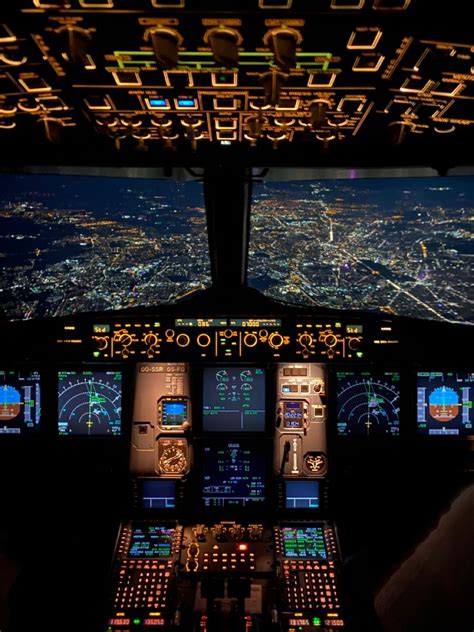
At cruising altitude, far above city lights and weather systems, the night sky can appear extraordinarily clear. Pilots may see stars stretching across the horizon, distant thunderstorms glowing silently below, or the gradual appearance of dawn over the curvature of the Earth.
These moments create a unique perspective that few travelers ever experience. While passengers sleep in the cabin, the flight deck offers a front-row seat to the changing sky.
For pilots like Valdez, these experiences can transform overnight flying from a purely exhausting duty into something more meaningful. The same flight that challenges the body’s limits can also provide rare glimpses of the planet’s nighttime landscape.
Discipline Is the Key to Safe Overnight Operations
Ultimately, the successful operation of red-eye flights depends on professional discipline and rigorous safety systems. Pilots must carefully manage their sleep schedules, monitor their alertness levels, and follow procedures designed to reduce fatigue risk.
Regulations establish minimum rest periods, but true fatigue management goes far beyond regulatory compliance. It requires personal responsibility, self-awareness, and a commitment to maintaining performance even when the body would prefer to sleep.
Airline operations teams, regulators, and researchers continue to study fatigue and improve scheduling practices. Advances in fatigue risk management systems (FRMS) allow airlines to analyze data, identify risky schedules, and implement strategies to protect crews.
Yet even with these systems in place, the human element remains central. Behind every overnight arrival at a quiet airport gate is a flight crew that has spent hours navigating the most demanding part of the human circadian cycle.
Conclusion
Red-eye flights reveal a rarely discussed dimension of airline operations. While passengers may see them as convenient overnight journeys, pilots experience them as carefully managed challenges that test human endurance and professional discipline.
Operating an aircraft during the body’s natural sleep window requires preparation, teamwork, and constant vigilance. Pilots must balance fatigue, monotony, and physiological limits while maintaining the precision required for safe flight.
Yet within that demanding environment, there are also moments of quiet wonder. Stargazing from the cockpit at 35,000 feet, watching the first glow of sunrise after a long night, and guiding an aircraft safely to its destination all become part of the experience.
Behind every red-eye flight lies a simple truth: while most of the world sleeps, airline pilots remain awake in the sky, ensuring that the journey continues safely through the night.
Frequently Asked Questions
Why are overnight flights called red-eye flights?
The term red-eye flight comes from the tired, bloodshot eyes passengers and crew often experience after staying awake through the night. These flights typically depart late in the evening and arrive early the next morning.
Are red-eye flights more dangerous than daytime flights?
Commercial aviation remains extremely safe at all hours. Airlines implement strict fatigue management rules, crew scheduling regulations, and cockpit procedures to ensure that overnight operations meet the same safety standards as daytime flights.
How do pilots stay awake during overnight flights?
Pilots rely on several strategies to maintain alertness, including strategic naps before duty, controlled caffeine intake, cockpit teamwork, regular monitoring tasks, and adherence to fatigue management procedures. These measures help ensure that pilots remain alert throughout the flight.