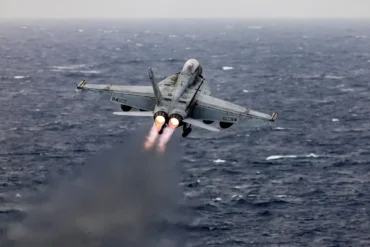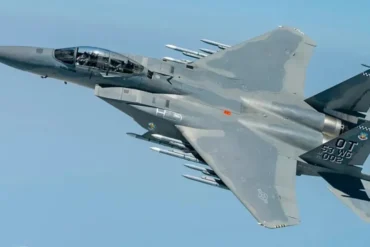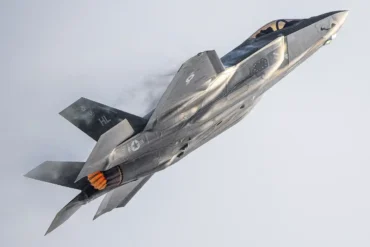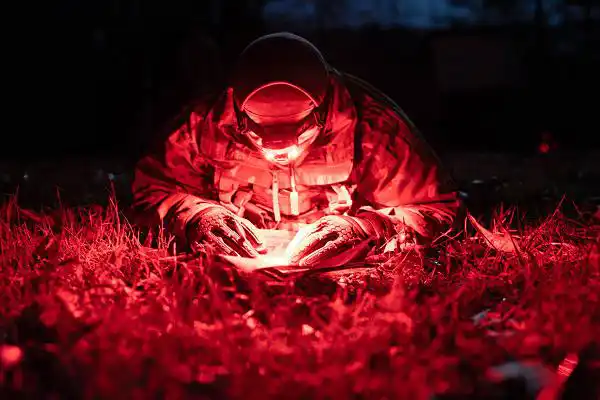
Darkness provides a powerful tactical advantage for the US military, allowing forces to move, observe, and operate with a reduced chance of detection. However, complete darkness also creates serious challenges because human vision is naturally limited at night. Soldiers, sailors, and aircrew still need enough illumination to read equipment, navigate terrain, and perform complex tasks. The solution is not bright white lighting, but carefully controlled red light illumination.
The military uses red light at night because it provides visibility while helping personnel preserve their natural ability to see in low-light conditions. Unlike white light, which can quickly overwhelm the eyes after they have adjusted to darkness, red light allows operators to continue functioning effectively when returning to dark environments. This balance between visibility and concealment is critical during tactical missions.
How Red Light Protects Night Vision
Human night vision depends heavily on a chemical called rhodopsin, which is found in the retina. When people enter a dark environment, the eyes gradually adapt by increasing sensitivity and producing more rhodopsin. This process allows the eyes to detect shapes and movement in extremely low-light conditions.
The problem occurs when a person is exposed to bright light. White light contains a wide range of wavelengths and can rapidly break down rhodopsin, forcing the eyes to begin the adaptation process again. For soldiers operating in the field, losing night vision for several minutes can create a dangerous disadvantage.
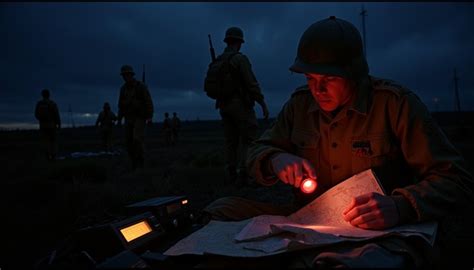
Red light works differently because it has the longest wavelength within the visible spectrum, measuring around 700 nanometers. This wavelength has much less impact on rhodopsin, allowing the eyes to maintain greater sensitivity after exposure. As a result, military personnel can read maps, check instruments, or prepare equipment under red lighting and then return to darkness with their night vision largely preserved.
The Tactical Advantage of Lower Visibility
Another major reason the military uses red lights is that they are less noticeable from a distance compared with brighter forms of illumination. During nighttime operations, unnecessary light can reveal a unit’s position to an opposing force. A small white flashlight can become a visible signal, especially in open environments where light carries across long distances.
Red lighting reduces this risk while still providing enough brightness for essential tasks. Ground troops may use red filters on flashlights, red interior lights in vehicles, and red displays on equipment when operating during nighttime missions. These methods allow soldiers to maintain operational awareness without creating an obvious visual signature.
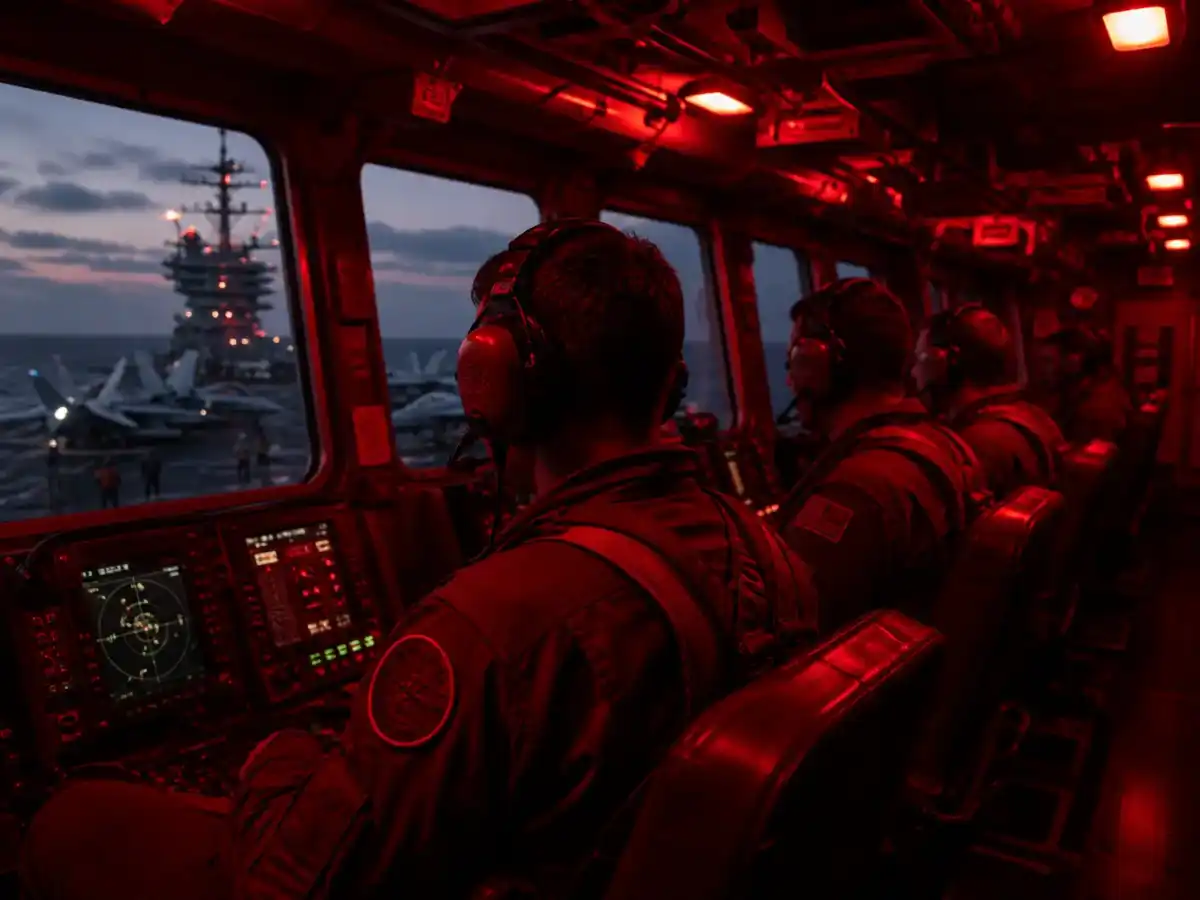
The same principle applies to naval operations. Military ships often use red lighting in areas where crew members need visibility but cannot afford excessive illumination. On a naval vessel, personnel may need to monitor instruments, move around the ship, or work on flight decks while maintaining a lower profile. Red lights help create a controlled environment where crews can perform duties without turning the vessel into an easily detectable bright target.
Why Submarines Use Red Lights Underwater
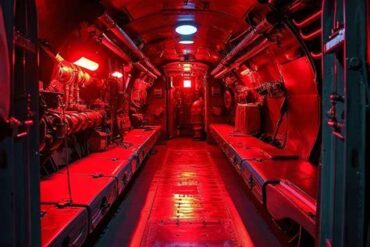
Red lighting is especially interesting when used aboard military submarines. Since submarines operate underwater and are sealed from outside observation, preventing visible light from escaping is not the primary concern. Instead, red lighting helps solve a different problem: maintaining the crew’s biological sense of time.
Submarines can remain underwater for extended periods, sometimes for months, without exposure to natural sunlight. Without normal signals from the sun and sky, the human body’s circadian rhythm can become disrupted. This internal clock regulates sleep patterns, alertness, and overall performance.
To support crew health, submarines often use brighter lighting during simulated daytime hours and switch to red lighting during nighttime periods. This creates a more natural daily cycle and helps sailors maintain regular sleeping patterns. A stable sleep schedule is essential because submarine crews must remain alert during demanding operations where fatigue can affect safety and decision-making.
Red Light Remains a Valuable Military Tool
Although modern forces now use advanced technologies such as night vision goggles, thermal imaging systems, and digital battlefield equipment, red lighting continues to play an important role. These technologies improve visibility, but they do not eliminate the need for simple and reliable methods that protect human vision.
From infantry patrols to naval operations, red light represents a practical example of how military equipment is designed around human limitations. It provides enough illumination to complete necessary tasks while preserving the darkness that gives nighttime operations their strategic value.
The use of red light demonstrates a careful combination of biology, engineering, and battlefield experience. By understanding how the human eye responds to different wavelengths, the military can create environments where personnel remain effective, concealed, and prepared even in the darkest conditions.