The Downing of the F/A-18 Super Hornet Over the Red Sea
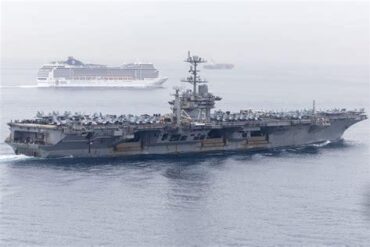
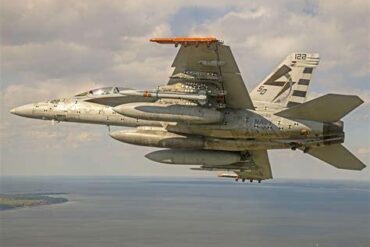
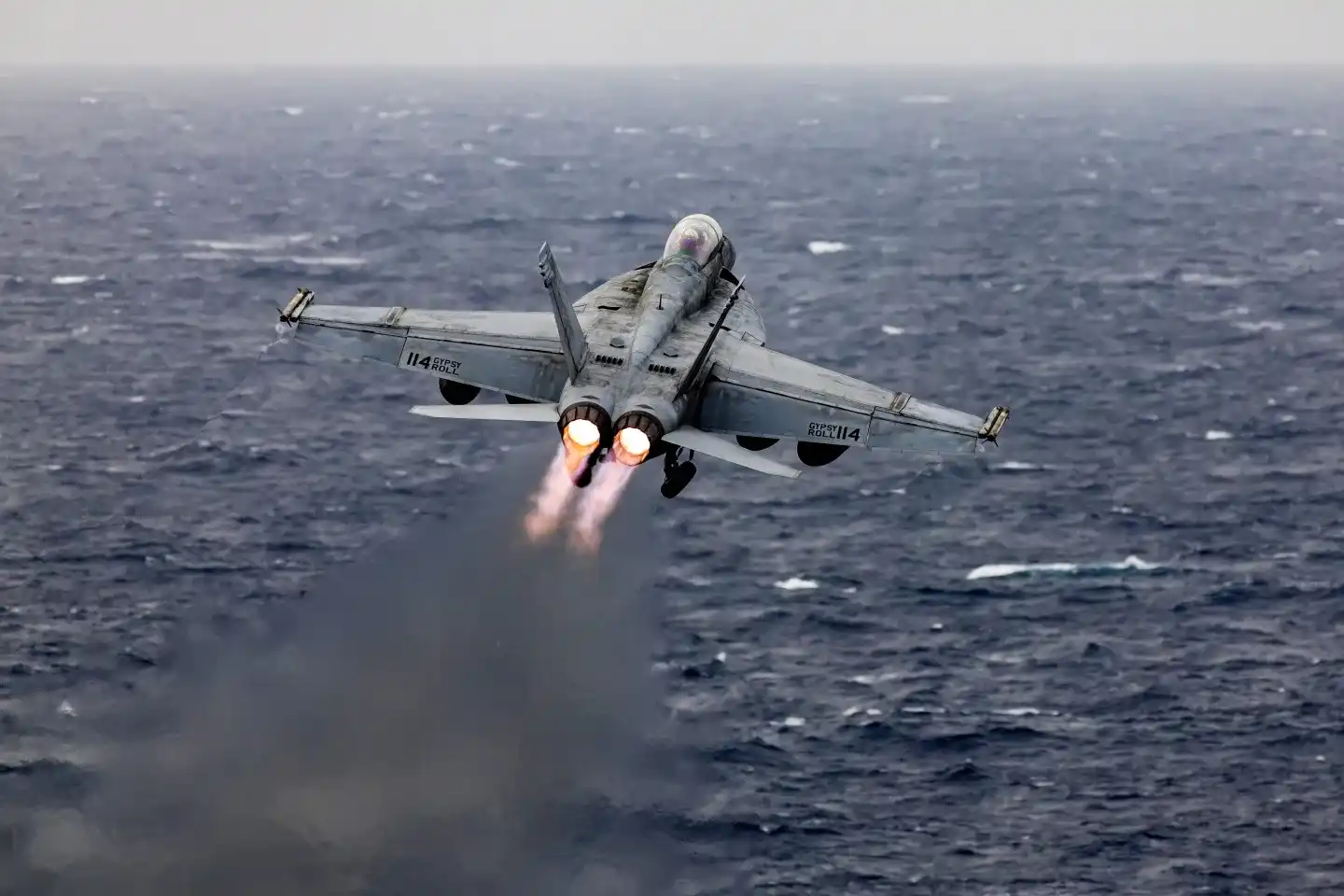
On December 22, 2024, a U.S. Navy F/A-18F Super Hornet was shot down over the Red Sea while conducting a mission targeting Houthi rebel forces in Yemen. The aircraft, assigned to the USS Harry S. Truman carrier strike group, suffered a catastrophic failure mid-air, forcing both pilots to eject. They were later rescued by coalition forces. The incident has sparked global debate over rules of engagement, misidentification in combat, and the growing Houthi threat in the region.
Conflicting Claims: Misfire or Hostile Strike?
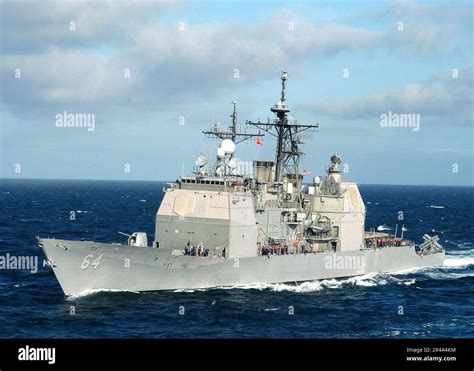
The U.S. Central Command (CENTCOM) confirmed that the guided-missile cruiser USS Gettysburg (CG-64) mistakenly engaged the F/A-18F, believing it to be a hostile target amid an ongoing Houthi missile and drone attack. However, Houthi officials claimed responsibility, asserting that their forces fired eight cruise missiles and deployed seventeen drones in an attack against the USS Truman battle group, successfully downing the aircraft. This contradiction has fueled speculation about electronic warfare, misidentification failures, and potential escalation in the Red Sea conflict.
Identification System Failure and Human Error
The Aegis Combat System aboard the USS Gettysburg is designed to differentiate between friend and foe, yet a failure in its identification protocols may have resulted in this fatal error. Given that the Gettysburg entered service in 1991, its aging hardware and potential software malfunctions raise serious concerns about the reliability of U.S. naval defense systems. Further investigation is ongoing to determine whether this was a system flaw, operator error, or an unavoidable consequence of intense combat conditions.
The Houthi Threat: Reality vs. Propaganda
Houthi Air Defense Capabilities
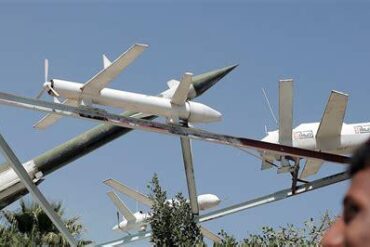
The Houthi movement, backed by Iran, has frequently claimed responsibility for downing American and allied aircraft. However, their primary air defense systems remain Soviet-era SAM-6 surface-to-air missiles, which, despite modifications, have limited effectiveness against fast-moving naval aircraft. The F/A-18F Super Hornet is equipped with advanced electronic countermeasures, making it highly improbable that it fell victim to Houthi-operated SAMs alone.
Previous Houthi Claims and U.S. Responses
In May 2024, the Houthis claimed responsibility for damaging the USS Dwight D. Eisenhower in the Gulf of Aden, an assertion dismissed by the Pentagon. However, this time, the U.S. military has admitted to a friendly fire incident, marking an unusual departure from previous denials or vague statements regarding engagements with the Houthis.

Strategic and Tactical Implications
High-Pressure Combat Environments
The Red Sea has become a hotbed of conflict, with the U.S. and its allies engaged in constant defensive maneuvers against Houthi missile and drone attacks. The USS Gettysburg’s misfire highlights the challenges of maintaining operational awareness under high-stress conditions, where split-second decisions can result in catastrophic mistakes.
Aging U.S. Naval Assets
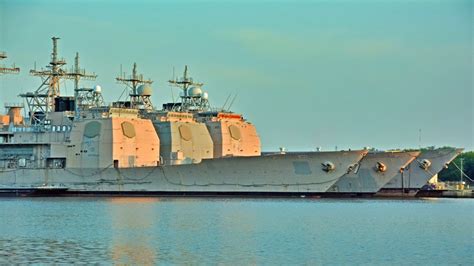
The USS Gettysburg, commissioned over 34 years ago, represents the aging fleet problem plaguing the U.S. Navy. The strain on naval maintenance and limited shipbuilding capabilities have forced the Pentagon to keep older vessels in active service longer than intended, leading to increased risks of equipment failure and miscalculations in combat.
Strategic Dilemmas for U.S. Policy
Beyond technical failures, this incident underscores a broader strategic dilemma for the U.S. in the Red Sea: how to deter Houthi aggression without escalating into a larger regional conflict involving Iran. Washington faces the difficult task of protecting commercial shipping lanes, responding to Houthi provocations, and maintaining regional stability without appearing weak or reckless.
Global and Regional Reactions
Damage to U.S. Military Credibility
This incident has damaged U.S. credibility regarding its technological superiority and strategic deterrence capabilities. The fact that a modern U.S. aircraft was brought down—whether by friendly fire or enemy action—sends a concerning signal to adversaries.
Increased Tensions in the Red Sea
Following the incident, Houthi media outlets celebrated what they termed a “historic victory over U.S. forces.” While the loss of the aircraft does not drastically alter military capabilities in the region, it provides the Houthis with a propaganda tool to fuel further attacks and resistance efforts.

The Role of Information Warfare
This event demonstrates how modern warfare extends beyond the battlefield and into information dominance. Both the U.S. and the Houthis are engaged in a war of narratives, each seeking to frame the incident in a way that serves its broader strategic goals.
The Future of U.S. Military Operations in the Red Sea
As the U.S. military reassesses its defensive strategies, several key measures will likely follow:
- Upgrades to Identification Friend or Foe (IFF) Systems: Addressing the technical flaws that led to misidentification.
- Enhanced Pilot and Crew Training: Preparing forces to operate under conditions of extreme electronic warfare interference.
- Potential Redeployment of Newer Assets: Introducing more advanced warships and aircraft to reduce reliance on aging hardware.
FAQ
1. Was the F/A-18 Super Hornet shot down by the Houthis or friendly fire?
The U.S. Central Command (CENTCOM) has confirmed that the USS Gettysburg mistakenly fired upon the F/A-18F Super Hornet. However, the Houthis claim they were responsible, making it a contentious issue in the ongoing information war.
2. How did the U.S. military misidentify its own aircraft?
The Aegis Combat System aboard the USS Gettysburg failed to properly identify the F/A-18F, potentially due to aging hardware, software glitches, or high-stress combat conditions that led to operator error.
3. What are the broader implications of this incident?
The incident exposes vulnerabilities in U.S. naval defense systems, damages military credibility, and emboldens asymmetric threats like the Houthis. It also increases tensions in the Red Sea, potentially escalating U.S. involvement in the region.
The downing of the F/A-18F Super Hornet over the Red Sea marks a significant moment in modern naval warfare, revealing both technical vulnerabilities and strategic challenges for the U.S. military. As Washington recalibrates its approach, the threat posed by non-state actors wielding increasingly sophisticated weapons remains a persistent and evolving concern.