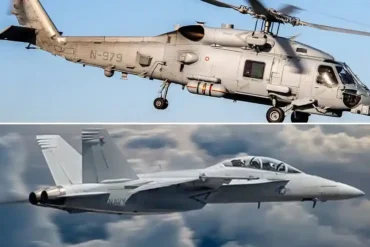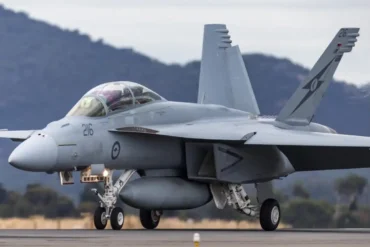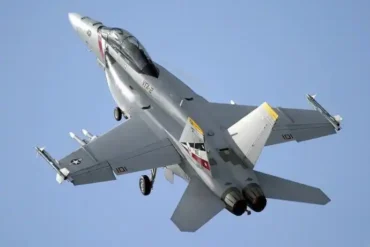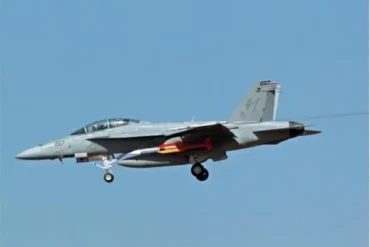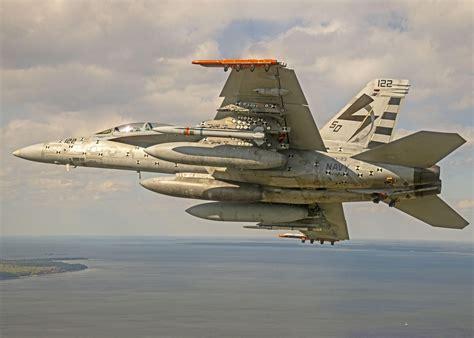
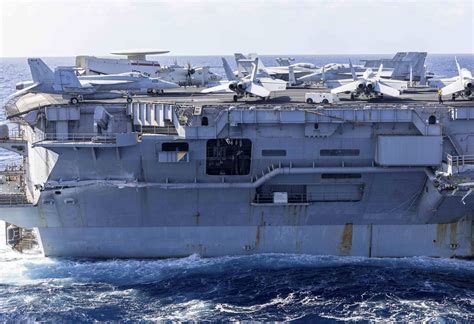
In an extraordinary incident underscoring the volatile nature of maritime operations in the Red Sea, the United States Navy has lost a $60 million F/A-18E Super Hornet fighter jet after it plunged into the sea from the USS Harry S. Truman aircraft carrier. The jet was under tow in the hangar bay when it slipped overboard, reportedly due to an emergency maneuver executed to evade a suspected Houthi missile and drone assault. The event highlights both the strategic peril and the operational challenges the Navy faces in the region.
Incident Details: A High-Speed Turn Ends in Catastrophe
The USS Harry S. Truman, a Nimitz-class aircraft carrier, was navigating the Red Sea as part of ongoing military operations when it came under threat. In response to an aerial assault allegedly launched by Yemen’s Houthi rebels, the carrier executed a high-speed evasive maneuver—a sharp zig-zagging pattern commonly used to thwart missile targeting. According to US Navy protocols, such turns can result in a list of up to 15 degrees and shift the ship hundreds of yards in seconds.
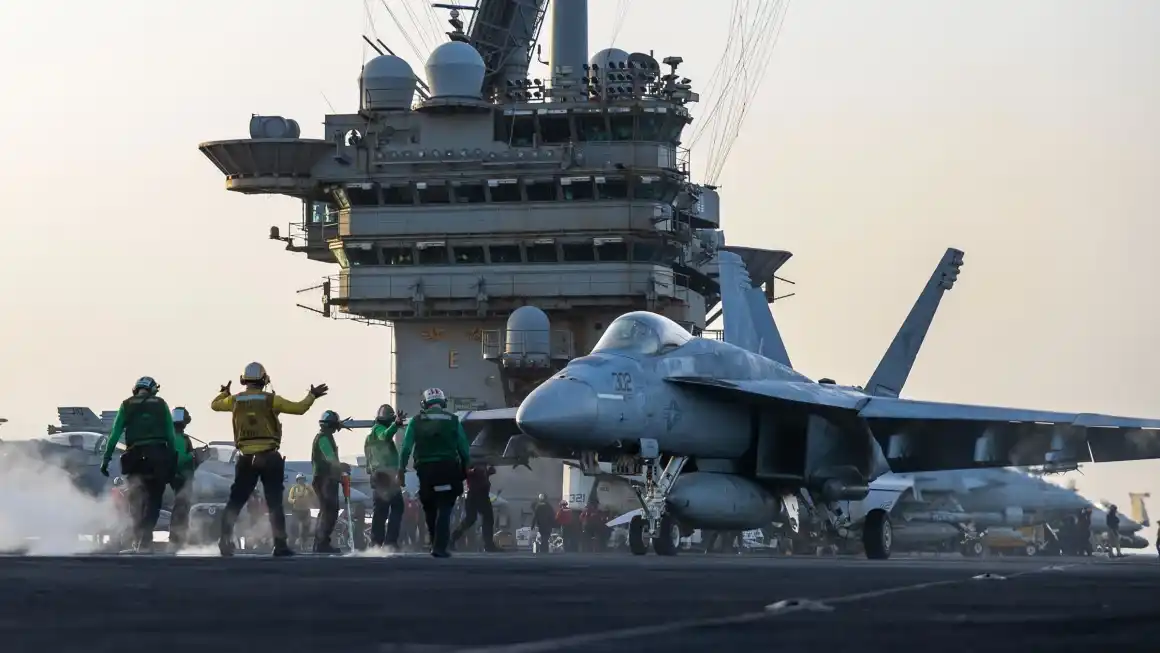
It was during one of these sudden, forceful maneuvers that the jet, under tow in the enclosed hangar bay, was lost. The tow crew lost control, leading to both the aircraft and the tow tractor plummeting into the sea. A sailor, who was in the cockpit as is standard during tow operations, jumped to safety moments before the aircraft went overboard, sustaining only minor injuries.
Technical Capabilities and Risks of the F/A-18E Super Hornet
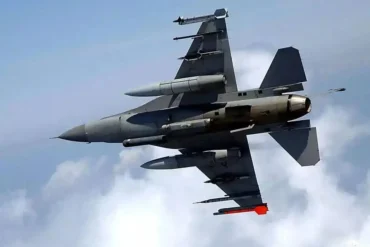
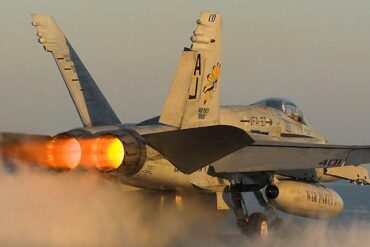
The F/A-18E Super Hornet is one of the Navy’s most advanced and reliable strike fighters. It is a single-seat, twin-engine, carrier-capable aircraft designed for both air superiority and ground attack missions. Capable of speeds exceeding Mach 1.8, equipped with precision-guided munitions and sophisticated radar systems, the Super Hornet represents both a strategic asset and a significant financial investment.
Each aircraft carries a price tag of over $60 million, and losing one in a non-combat accident is a rare and costly event. Its disappearance not only carries financial ramifications but also reflects the heightened risks associated with operating in increasingly hostile environments like the Red Sea.
USS Harry S. Truman: Strategic Muscle in the Region
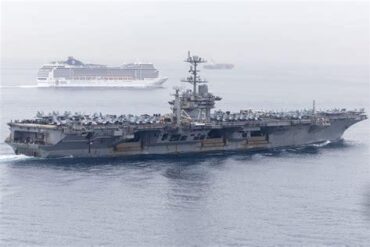
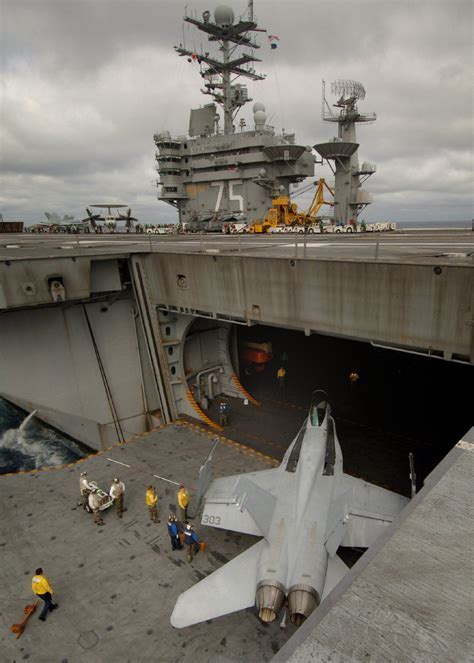
The USS Harry S. Truman (CVN-75) is a 1,092-foot-long nuclear-powered aircraft carrier that displaces nearly 100,000 tons. As one of the largest warships in the world, it is nonetheless remarkably agile due to its dual nuclear reactors driving four massive propeller shafts. These allow the vessel to reach speeds over 34 miles per hour and perform sharp turns when necessary.
Former Navy Captain Carl Schuster notes that these turns involve alternating 30- to 40-degree rudder adjustments in quick succession. “It’s like riding in a zig-zagging car,” he explained. “The turns are sharp, and the carrier leans into them, which helps it dodge missile aim points.”
Heightened Regional Tensions: Houthis and the Red Sea
The Red Sea has become a flashpoint of military tension in recent months, especially after US forces increased operations against Iran-backed Houthi rebels in Yemen. The Houthis, in retaliation for American airstrikes and in protest of Israel’s invasion of Gaza, have stepped up their targeting of both commercial and military vessels. The Truman Carrier Strike Group, currently stationed in the region, has been a consistent target.
In fact, the Truman made headlines earlier this year when it collided with a merchant ship near Egypt—a rare occurrence for a vessel of its size and caliber. In December, another F/A-18 fighter from the same carrier was mistakenly fired upon and downed by the USS Gettysburg, highlighting the unpredictable dangers of such high-stakes deployments.
Close Calls and Defensive Posturing
The Red Sea has witnessed multiple close calls. A US destroyer, tasked with defending commercial shipping lanes, had to deploy its Phalanx Close-In Weapon System to intercept a cruise missile that came within a mile of impact—an alarmingly close distance in naval terms.
These incidents underline the evolving nature of naval warfare in the Middle East. The engagement rules are no longer limited to state-on-state confrontations; non-state actors like the Houthis have demonstrated the capability and willingness to challenge major military powers at sea.
A Pattern of Escalation and Response
Since October 2023, when the US Navy began actively intervening to prevent Houthi strikes on commercial ships bound for Israel, a tit-for-tat pattern of attacks and counterattacks has emerged. The Houthis maintain that their operations are a direct response to perceived Western aggression and continued Israeli actions in Gaza.
In a statement following a US airstrike that reportedly killed dozens at a Yemeni oil port, Houthi forces declared, “The aggression against Yemen will only lead to further targeting, engagement, and confrontation.” The rebels further alleged that a US airstrike hit a migrant detention facility, killing numerous African detainees—a claim that, if verified, would add fuel to an already combustible situation.
Operational Readiness Amid Crisis
Despite the aircraft loss and ongoing attacks, the US Navy insists the Truman Strike Group remains fully mission-capable. Its ability to project power, conduct reconnaissance, and defend allied shipping lanes has not been compromised, officials affirm.
This resilience is essential given the stakes. The Red Sea is a critical maritime corridor for global commerce, linking the Mediterranean Sea through the Suez Canal to the Indian Ocean. Any disruption could have wide-reaching economic and geopolitical consequences.
Strategic Implications: Beyond the Lost Jet
The loss of a $60 million fighter jet is a headline-making event, but its implications are far broader. It raises questions about the safety protocols surrounding aircraft tow operations during high-alert maneuvers, especially in enclosed hangar bays where spatial constraints limit maneuverability.
It also puts a spotlight on the increased militarization of the Red Sea, turning it into a high-risk zone for even the most sophisticated navies. The need to maintain constant readiness, paired with the unpredictability of asymmetric warfare tactics employed by non-state actors, makes operations inherently perilous.
Investigative Follow-Up and Preventive Measures
An official investigation is underway to determine precisely how and why the tow crew lost control during the maneuver. Navy insiders indicate the findings could lead to revised protocols for hangar operations under threat conditions. There may also be discussions about improving aircraft securing mechanisms and tow tractor anchoring methods during emergency turns.
The inquiry will likely explore whether communication lapses, mechanical failure, or human error contributed to the incident. Lessons learned could influence future ship design, hangar layout, or even result in the development of automated safety systems to prevent similar losses.
Conclusion: Navigating a New Era of Maritime Conflict
The dramatic loss of a Super Hornet from the USS Harry S. Truman is emblematic of a new maritime conflict paradigm. Naval operations are increasingly being tested not by rival navies, but by agile, ideologically driven groups with growing access to modern warfare technologies. The incident serves as a stark reminder that, in today’s theater of operations, even the most advanced and powerful naval assets are vulnerable.
As the US Navy continues its mission in the Red Sea, the stakes are not only tactical but also deeply strategic. Maintaining superiority, ensuring maritime safety, and deterring adversaries will demand not just advanced hardware but continuous innovation in training, coordination, and real-time decision-making on the high seas.