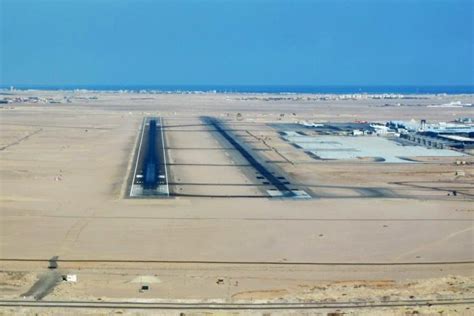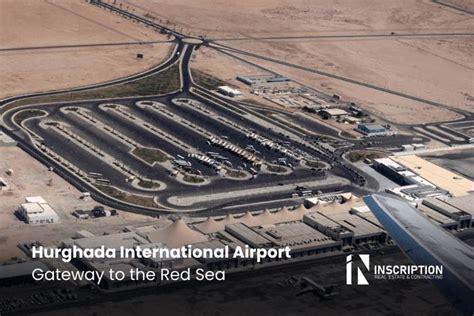
Situated at the strategic coordinates of 27°10′41″N, 33°47′57″E, Hurghada International Airport (IATA: HRG, ICAO: HEGN) serves as the lifeline of Egypt’s Red Sea Riviera. Only 5 kilometers southwest of El Dahar, the bustling heart of Hurghada, this airport has transformed from a modest regional hub into Egypt’s second-busiest aviation gateway, trailing only Cairo International. With its expanding terminal infrastructure and a rapidly growing list of international carriers, the airport is not only a logistical anchor but a symbol of Egypt’s strategic investment in tourism and infrastructure.
Strategic Importance and Geographical Positioning
Located inland yet perfectly positioned to connect Europe with the Red Sea coast, Hurghada International Airport has evolved into an essential link for leisure travel, particularly among European holidaymakers. Its elevation at 16 meters above mean sea level ensures safe and consistent operations in a desert climate, and its inland location shields it from coastal wind challenges, ensuring smooth arrivals and departures year-round.
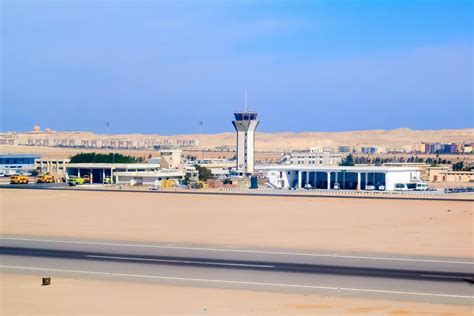
With two parallel runways—16L/34R and 16R/34L—each extending 4,000 meters in length, the airport can efficiently handle wide-body aircraft such as the Boeing 777 and Airbus A350. Both runways are surfaced with durable asphalt, supporting heavy international traffic and reducing maintenance-related downtime.
Modern Terminal Infrastructure and Passenger Facilities
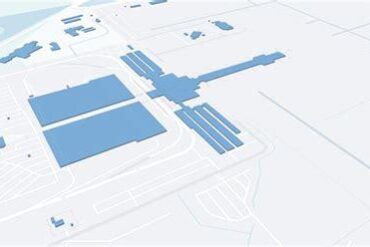
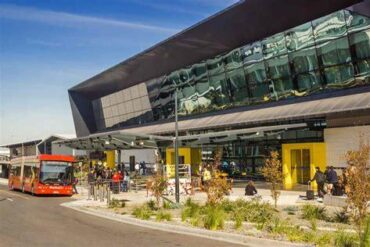
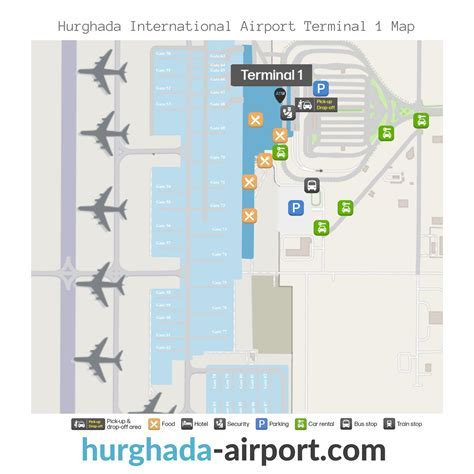
The airport boasts two passenger terminals—Terminal 1 and Terminal 2—with Terminal 1 being the most recently developed. This new terminal complex was inaugurated on December 17, 2014, in a high-profile ceremony led by President Abdel Fattah el-Sisi. Its construction was largely underwritten by the Arab Fund for Economic Development, with a budget of USD 335 million.
Spanning an impressive 92,000 square meters across three levels, Terminal 1 is a showcase of modern aviation architecture and design. The terminal includes:
- 72 check-in counters designed to handle high-volume peak periods.
- 20 departure gates, ensuring smooth boarding processes.
- Advanced baggage handling systems, security checkpoints, and immigration facilities.
The infrastructure is built to accommodate up to 13 million passengers annually, underscoring the airport’s ambition to become a major regional hub.
A Growing Network of Airlines and Global Destinations
Hurghada International Airport plays host to an expansive array of airlines, offering both scheduled and chartered services. This connectivity extends across Europe, the Middle East, and Central Asia, making Hurghada a preferred destination for tourists and an essential transit point for Egyptians.
Prominent airlines and routes include:
- Air Cairo, the airport’s focus airline, connects Hurghada to a broad selection of destinations including Berlin, Cologne, Frankfurt, Milan–Malpensa, Vienna, and Zürich, alongside domestic and regional destinations like Cairo, Luxor, Giza, and Sharm El Sheikh.
- EasyJet maintains a strong presence, offering direct links to London–Gatwick, Manchester, Glasgow, and Bristol, with seasonal service to continental cities such as Amsterdam, Naples, and Geneva.
- TUI Airways provides an extensive UK network with flights from Birmingham, Bristol, London–Gatwick, and Manchester, with Cardiff service scheduled from May 2026.
- Aeroflot and Rossiya Airlines connect Russian travelers to Moscow–Sheremetyevo and Saint Petersburg.
- Egyptair ensures national cohesion with regular service to Cairo and seasonal flights to Budapest, Prague, and Moscow–Domodedovo.
Additional operators such as Turkish Airlines, Pegasus Airlines, Wizz Air, and Condor solidify Hurghada’s connectivity with key European and Middle Eastern capitals.
Architectural Design and Passenger Experience
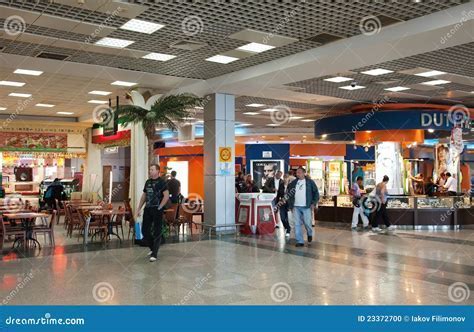
One of the most notable features of Hurghada International Airport is the integration of Egyptian cultural motifs into its architectural design. The terminals are lined with ornamental lighting, mosaics, and textured columns, reflecting traditional aesthetics in a modern context. Passengers benefit from ample seating, multilingual signage, free Wi-Fi in public zones, and a broad selection of duty-free outlets, cafes, and lounges.
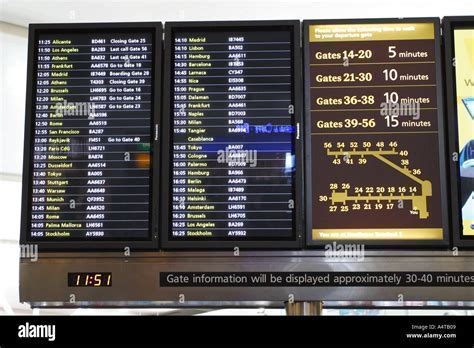
The airport experience is streamlined by a digital information system that provides real-time flight updates and wayfinding. Additional features include VIP lounges, business centers, and prayer rooms, making it a comfortable transition point for travelers from diverse backgrounds.
Efficient Ground Transportation and Accessibility
Hurghada International Airport is easily accessible by El-Nasr Street, the city’s primary arterial road. Ground transportation options are well-developed and include:
- Airport buses providing regular service to El Dahar and major resort zones
- Licensed taxis, available 24/7 with fixed fare options
- Car rental services located at both terminals, offering short and long-term hire options
For international tourists staying at Red Sea resorts, private hotel shuttles are commonly arranged, ensuring seamless airport-to-hotel transfers. The airport’s well-marked signage and organized traffic flow facilitate easy access for both private vehicles and public transport.
Economic and Touristic Impact on the Red Sea Region
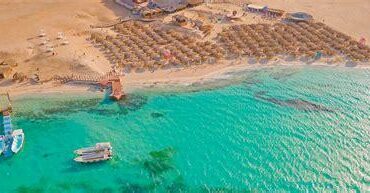
Hurghada International Airport has been instrumental in the economic revitalization of Egypt’s Red Sea coast. As a primary point of entry for tourists drawn by the region’s coral reefs, luxury resorts, and historical attractions, the airport directly supports:
- Hospitality employment, sustaining thousands of local jobs
- Real estate growth, especially in areas surrounding the airport
- Expansion of marine tourism, including diving, snorkeling, and yachting
The airport’s strategic connectivity has catalyzed the transformation of Hurghada from a small fishing village into a world-renowned resort destination.
Sustainability and Future Expansion Plans
While Hurghada International Airport has already achieved significant milestones, plans for future expansion and environmental sustainability are underway. These include:
- Installation of solar energy panels to reduce reliance on non-renewable sources
- Wastewater recycling systems to support airport landscaping and facility maintenance
- Runway extension feasibility studies to increase capacity for larger, long-haul aircraft
Further investment is being considered to upgrade cargo facilities, boosting the airport’s potential as a logistics center serving not just Egypt but neighboring countries and Red Sea port cities.
Conclusion
As Egypt continues to attract millions of visitors annually, Hurghada International Airport stands at the forefront of this tourism renaissance. Its modern infrastructure, extensive airline network, and proximity to world-class resorts make it not only a vital transportation hub but also a powerful engine for regional growth. With ongoing expansion plans and a steadfast commitment to passenger comfort and operational excellence, Hurghada Airport is well-positioned to maintain its status as a premier gateway to Egypt’s Red Sea coast.