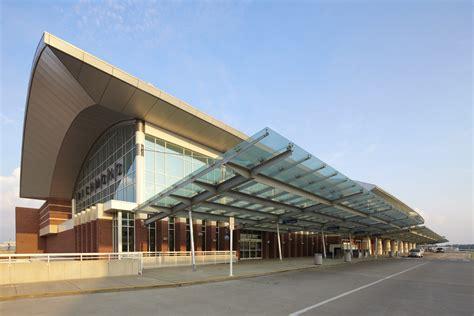
Richmond International Airport (RIC) stands as a pivotal transportation hub in central Virginia, embodying a rich tapestry of historical significance, modern infrastructure, and ambitious expansion projects. Strategically located just seven miles southeast of downtown Richmond in Sandston, Virginia, this civil-military public airport covers an impressive 2,500 acres and ranks as the third-busiest airport in the state. Its ownership and operation by the Capital Region Airport Commission, established in 1975, underscore its central role in connecting Richmond to the broader national and international air travel networks.
Originally dedicated as Richard Evelyn Byrd Flying Field in 1927, the airport’s early years were marked by the presence of aviation legends like Charles Lindbergh, who lent historical weight to its inauguration. Over decades, the facility evolved, renamed first to Richard E. Byrd Airport in 1950 and later to Richmond International Airport in 1984, mirroring its expanding influence beyond state borders.
A Transformative Journey Through Decades
The modern face of Richmond International Airport began to take shape between 2005 and 2007 when an ambitious redesign of its terminal was undertaken. During this period, the airport transitioned from a modest single-story structure to a vastly upgraded facility, with the number of gates expanding from 12 to 22. This redevelopment included the construction of 10,500 new parking spaces, a modern roadway system, and a state-of-the-art air traffic control tower, significantly enhancing both passenger and cargo operations.
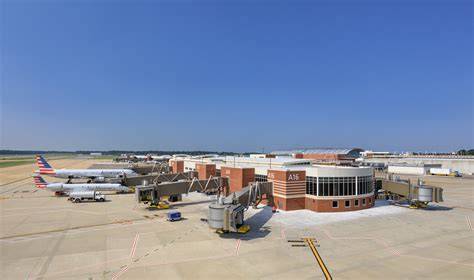
The addition of seasonal international service through Gate B15 opened direct access to vacation hotspots such as Cancun, Toronto, and Punta Cana. This effort not only diversified the airport’s destination portfolio but also strengthened its position as a gateway for both leisure and business travelers.
Between 2018 and 2021, further expansion efforts added between six and eight new gates to Concourse A and upgraded Concourse B’s TSA security lanes from four to six, a crucial enhancement completed in June 2019 that substantially improved passenger flow and security efficiency.
Current Operations and Strategic Future Developments
Richmond International Airport continues to embrace growth, with upcoming projects poised to elevate the traveler experience even further. One significant development is the planned centralized security checkpoint, bolstered by a $2.5 million grant from the Federal Aviation Administration. Construction is set to commence in late 2026, promising streamlined security procedures and enhanced convenience. Complementary upgrades will include expanded rental car counters and an enclosed walkway connecting the terminal directly to the parking garage, offering improved accessibility.
The airport’s cargo operations are equally robust, featuring a massive 100,000 square feet of warehouse space and an expansive 1,000,000 square feet of apron area. RIC’s status as a Foreign Trade Zone significantly boosts its logistical appeal, with its prime location allowing access to 72% of the U.S. population within a 24-hour period. In 2016 alone, cargo tonnage reached an impressive 63,000 tons, with steady growth year after year.

Passenger Airlines and Expanding Connectivity
Richmond International Airport’s airline roster is both diverse and dynamic, reflecting its strategic importance as a regional hub. Major airlines currently operating at RIC include:
- American Airlines: Serving Charlotte, Dallas/Fort Worth, and Miami.
- Delta Air Lines: Connecting Richmond to Atlanta and Detroit.
- JetBlue: Providing routes to Boston, Fort Lauderdale, and Orlando.
- Southwest Airlines: Operating flights to Midway and Denver.
- Breeze Airways: Offering an array of seasonal and scheduled flights.
- Spirit Airlines: Scheduled to begin service to Detroit on June 12, 2025, and to LaGuardia on May 7, 2025.
- BermudAir: Launching Bermuda service starting June 7, 2025.
This rich airline tapestry ensures seamless connections to major domestic and international destinations, further cementing Richmond International Airport’s status as a major player in Virginia’s air travel ecosystem.
A Cargo Powerhouse in the Mid-Atlantic
Cargo operations at Richmond International Airport are integral to its identity, with a network of major carriers including Amazon Air, DHL Aviation, FedEx Express, and UPS Airlines. Each of these logistics giants taps into RIC’s extensive facilities and strategic location to facilitate rapid and efficient cargo movement across the United States.

The airport’s ability to serve as a vital distribution center is underscored by its capacity to reach nearly three-quarters of the U.S. population within a single day, making it an invaluable asset for time-sensitive deliveries and high-volume logistics operations.
A Legacy of Aviation Excellence and Historic Moments
Richmond International Airport’s history is punctuated by pivotal events and milestones that have shaped its trajectory. In the early years, the airport became a bustling hub for prominent carriers such as Eastern Air Lines, Piedmont Airlines, American Airlines, and National Airlines. The jet age brought larger aircraft such as the Douglas DC-8-61 and Boeing 737s to Richmond, propelling it into a new era of air travel.
Notable incidents, although tragic, are part of RIC’s historical fabric. Among them are the 1946 Viking Air Transport C-47 crash, which resulted in 27 fatalities, and the 1961 Imperial Airlines Flight 201/8 disaster, claiming the lives of 74 passengers and three crew members. Other significant events include the 1951 Eastern Air Lines wheels-up landing and the 1996 Eastwind Airlines rudder control incident. These moments, while somber, have driven ongoing improvements in aviation safety standards at RIC and across the industry.
Military Significance and National Guard Presence
In addition to its civilian operations, Richmond International Airport hosts a strong military presence. The Virginia Army National Guard’s 224th Aviation Regiment calls RIC home, operating a fleet of 25 helicopters, including 18 UH-60 Black Hawks, 3 HH-60s, 4 UH-72 Lakotas, and a single C-12 Huron fixed-wing aircraft.
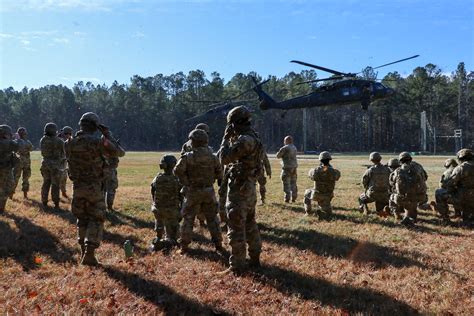
Until 2007, the airport was also home to the 192d Fighter Wing, which operated F-16 fighter jets. This dual civil-military role continues to enhance the airport’s strategic significance both within Virginia and at the national level.
Passenger Growth and Record-Breaking Traffic
Passenger numbers at Richmond International Airport have soared in recent years, reflecting both the airport’s strategic investments and the broader resurgence of air travel. In 2017, RIC surpassed its previous record set in 2007, recording 3,657,479 passengers. This upward trajectory continued with 4,755,889 passengers in 2023 and an even more impressive 4,884,093 in 2024, highlighting RIC’s strong post-pandemic recovery and growing appeal.
Conclusion: Richmond International Airport’s Bright Horizon
As Richmond International Airport looks toward the future, its strategic expansions, robust airline partnerships, dynamic cargo operations, and storied history position it uniquely within the competitive landscape of American aviation. Continued investments in infrastructure, passenger amenities, and security enhancements promise to solidify RIC’s reputation as a premier air travel gateway.
In an increasingly connected world, Richmond International Airport not only honors its rich past but also boldly embraces innovation, ensuring that it remains a critical conduit for commerce, culture, and connection for generations to come.