BermudAir’s decision to discontinue flights to Richmond (RIC) and Raleigh–Durham (RDU) marks a decisive shift in the carrier’s evolving route strategy. The Bermudian airline, which entered the market in late 2023 with ambitions to connect the island to a broad slate of secondary U.S. airports, is now funneling its resources toward higher-traffic East Coast gateways and a newly announced network expansion centered in Anguilla.
The move follows a series of recent route withdrawals, most of them targeting smaller or short-lived U.S. services. Several markets launched with optimism only months ago will see their final BermudAir departure on January 2, 2026, as the airline tries to consolidate operations amid cost pressures, a changing demand profile, and a highly competitive transborder landscape.
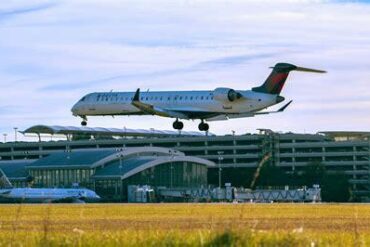
This latest dual exit is particularly consequential for Richmond, which briefly regained an international link for the first time in a decade when BermudAir arrived in June. With the carrier’s departure, the airport returns to having no overseas service, underscoring the fragility of international connectivity at mid-sized and secondary airports.

BermudAir entered the market with a boutique strategy built on direct service from Bermuda to smaller U.S. cities underserved by major carriers. Fort Lauderdale, Providence, Charleston, and Hartford all saw new BermudAir routes—yet many proved short-lived. The airline initially operated an ambitious schedule, including six weekly flights to Fort Lauderdale, which later dropped to twice-weekly before disappearing entirely.
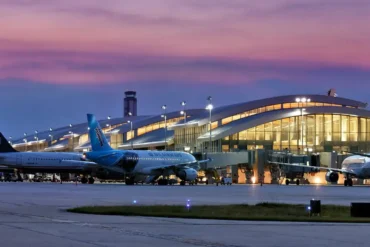
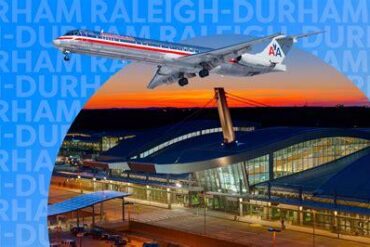
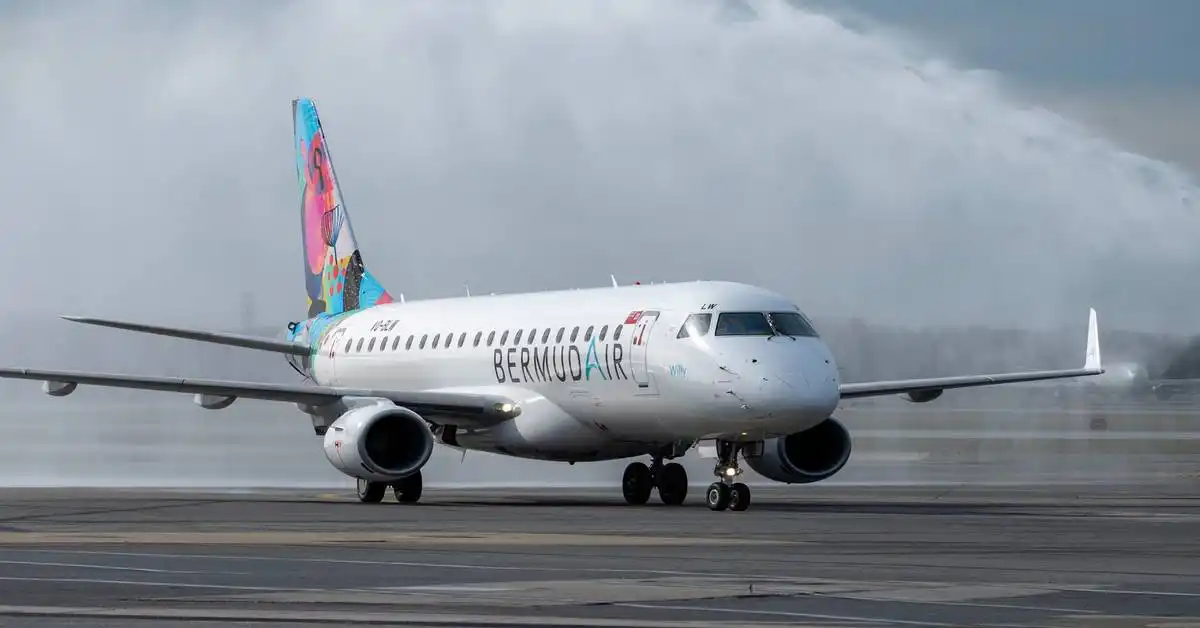
Richmond and Raleigh–Durham followed the same pattern. Both launched with twice-weekly Embraer E190 flights, aiming to attract leisure travelers, cruise passengers, and Bermuda-bound business traffic. But early schedules indicated modest load factors, and the routes never experienced the frequency build-up seen in larger markets. Ultimately, both will end just months after launch, joining a string of cities trimmed from BermudAir’s map.
A Reorientation Toward High-Demand Northeast Corridors
The airline’s withdrawal from smaller markets coincides with an unmistakable pivot toward major U.S. gateways. Newark Liberty and New York LaGuardia, both launched in October, signal BermudAir’s ambition to carve out relevance in heavily trafficked corridors where business travel, premium yields, and brand visibility are stronger.
Even more telling is the planned frequency upgrade at Newark, which will increase from two to four weekly flights starting June 2025. This marks the airline’s first meaningful capacity growth in any market since launch, reinforcing that the future lies in higher-demand nodes rather than niche secondary airports.
Anguilla Expansion Becomes a New Strategic Pillar
The most dramatic development in BermudAir’s restructuring is unfolding hundreds of miles away from Bermuda. Through a newly introduced brand—AnguillAir—the company will begin operations from Anguilla’s Clayton J. Lloyd International Airport using an Embraer E190.
Starting December, the new operation will launch nonstop routes from Anguilla to Boston, Baltimore, and Newark, each operating twice weekly through April 2026. The move positions the airline as a key provider of direct U.S. access to an island long dependent on Puerto Rico for onward connectivity.
The decision signals an ambition to become a broader regional aviation player rather than a Bermuda-only operator. Anguilla’s premium tourism market, which skews toward high-spend travelers and luxury resorts, aligns with the airline’s boutique cabin configuration and service philosophy.
Canada Demand Strengthens BermudAir’s Broader Strategy
Amid turbulence in the U.S. network, BermudAir continues to record rising demand in Canada. Service to Toronto and Halifax has grown steadily, and the twice-weekly Montreal route introduced in June now enjoys a competitive advantage after Air Canada dropped its planned summer 2026 Bermuda–Montreal flight.
The airline sees Canada as a core part of its long-term model. CEO Adam Scott has repeatedly pointed to the northern market as a stable and high-potential source of inbound tourism. With no direct competition on Montreal and expanding frequencies in Toronto, these routes provide a stronger revenue foundation compared to the volatility seen in some U.S. secondary markets.
Financial Pressures Add Urgency to Network Optimization
While pursuing growth, BermudAir faces financial headwinds that make network efficiency more critical than ever. The carrier currently owes millions of dollars to Skyport, operator of Bermuda’s L.F. Wade International Airport, and is being sued over unpaid airport fees. The lawsuit magnifies the importance of streamlining the network to boost profitability, reduce operational waste, and stabilize cash flow.
BermudAir’s Embraer fleet—split between E170s and E190s—limits long-range opportunities in its current configuration. Nonetheless, Scott has expressed interest in eventually pushing east toward Europe, a move that would require larger aircraft and substantial capital investment. Such ambitions depend heavily on the airline demonstrating sustained performance and financial viability within North America first.
A Network in Transition, Not Decline
Route cuts often create the impression of retreat, yet BermudAir’s latest adjustments suggest a more nuanced strategy: consolidating weaker routes while opening stronger, long-term opportunities in major U.S. gateways and Anguilla’s high-value tourism market. The airline’s early experimentation phase appears to be ending as it gravitates toward markets that offer higher yield potential and steadier year-round demand.
The next 12 months will determine whether this pivot delivers the stability BermudAir needs. If the Newark and LaGuardia gambits succeed and AnguillAir gains traction, the airline could emerge with a more resilient and profitable network. If not, the financial pressures now shadowing the carrier may limit its runway for growth.
BermudAir’s story is still being written, but one thing is clear: its network is evolving with remarkable speed, reshaping the aviation landscape between Bermuda, the U.S. East Coast, and the Caribbean.