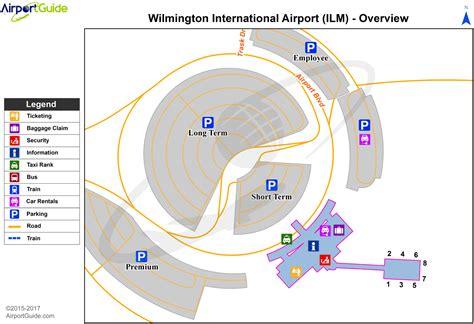
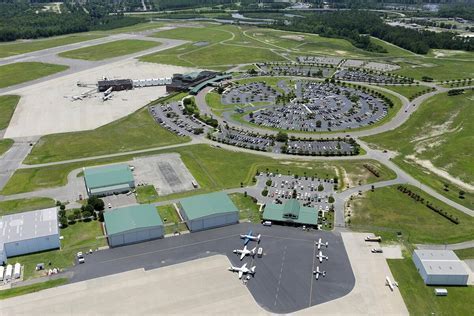
Wilmington International Airport (IATA: ILM, ICAO: KILM, FAA LID: ILM) stands as a pivotal gateway to the historic charm and coastal beauty of southeastern North Carolina. Located just north of the city of Wilmington, within the unincorporated area of Wrightsboro, ILM is more than just a transit point; it’s an integral part of the region’s economic and tourism infrastructure. Spanning an impressive 1,800 acres, this public airport is owned by New Hanover County and expertly operated by the Wilmington Airport Authority, reflecting a strong partnership dedicated to serving the community and its visitors. The airport’s strategic position on the U.S. East Coast, approximately halfway between the major metropolitan centers of New York City and Miami, Florida, enhances its appeal as a convenient and less congested port of entry for international travelers and a vital link for domestic passengers.
Under the leadership of Airport Director Jeffrey Bourk, A.A.E., and governed by a seven-member New Hanover County Airport Authority appointed by the New Hanover County Commissioners, ILM has consistently demonstrated a commitment to growth and service excellence. This dedication is vividly illustrated by its record-breaking passenger numbers. During the 2024 calendar year, Wilmington International Airport facilitated travel for a total of 1,465,869 passengers, a figure comprising 736,868 enplanements and 729,001 deplanements. Beyond passenger traffic, ILM also handled a significant volume of air freight, with total cargo weighing in at 2,866,857 pounds, split between 1,410,141 pounds of enplaned cargo and 1,456,716 pounds of deplaned cargo. These figures underscore the airport’s dual role in connecting people and supporting regional commerce.
The operational heart of ILM features two robust runways: Runway 6/24, an asphalt surface stretching 8,016 feet (2,443 meters), and Runway 17/35, also asphalt, with a length of 7,754 feet (2,363 meters). These runways accommodate a diverse range of aircraft, from small general aviation planes to large commercial jets. A single, modern passenger terminal equipped with eight gates serves as the primary interface for travelers. Complementing its commercial operations, ILM is home to two fixed-base operators (FBOs) that provide essential services to general aviation, private, and charter flights. A significant enhancement to its international capabilities came in 2008 with the construction of a 24-hour U.S. Customs and Border Protection ramp and a separate terminal facility specifically designed to process international arrivals, catering to both private and charter flights seeking an efficient entry point into the United States.
A Storied Past: From Bluethenthal Field to a Modern International Gateway
The history of Wilmington International Airport is deeply intertwined with the legacy of local heroism and national service. The airfield was officially named Bluethenthal Field on Memorial Day, May 30, 1928. This dedication honored Arthur Bluethenthal, a distinguished All-American football player and a decorated World War I pilot. Tragically, Bluethenthal was the first North Carolinian to lose his life in the Great War, and the airfield’s name served as a lasting tribute to his sacrifice and valor. This early identity set a precedent for the airport’s enduring connection to service and community.

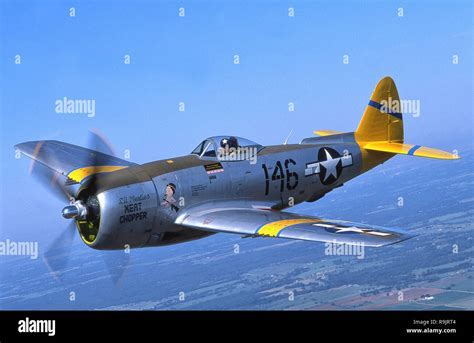
During the tumultuous years of World War II, Bluethenthal Field assumed a critical role in the nation’s defense. The United States Army Air Forces Third Air Force utilized the airfield extensively for anti-submarine patrols along the vital Atlantic coastline and as a training ground for pilots. The primary aircraft used for these missions and training exercises was the formidable P-47 Thunderbolt. To support these wartime operations, the Army significantly expanded the airfield’s infrastructure, constructing three new runways, each measuring 7,000 feet. Following the conclusion of the war, in a gesture of partnership and recognition of local importance, the U.S. Army deeded the improved site back to New Hanover County at no cost, laying the groundwork for its future civilian aviation development.
In the post-war era, specifically during the 1950s, the airport became known as the New Hanover County Airport, reflecting its county ownership and regional service. As air travel evolved and the airport’s capabilities grew, its name was updated in 1988 to New Hanover County International Airport, signaling its expanding reach and ambition to handle international traffic. The final and current name, Wilmington International Airport, was adopted on December 17, 1997, by the New Hanover County Airport Authority, a name that clearly identifies its primary service city and international status.
The advent of commercial air service at ILM was marked by the arrival of Piedmont Airlines in February 1948. Piedmont quickly established Wilmington as one of its initial crew bases, highlighting the airport’s early strategic importance. The airline’s inaugural route from Wilmington connected passengers to Cincinnati, Ohio, with intermediate stops in Pinehurst, Charlotte, Asheville, the Tri-Cities, and Lexington. By 1975, Piedmont Airlines was the sole scheduled carrier serving Wilmington, offering flights to a network of destinations including Atlanta, Fayetteville, Jacksonville, Kinston, Myrtle Beach, New Bern, Norfolk, and Washington-National, utilizing a fleet that included YS-11 turboprops, FH-227 turboprops, and Boeing 737 jets. The legacy of Piedmont continued through a series of airline industry consolidations: Piedmont was acquired by USAir in 1989, which was subsequently rebranded as US Airways in 1997, and later merged with American Airlines in 2013. Throughout these changes, service to the major regional hub at Charlotte Douglas International Airport remained a cornerstone. Responding to strong lobbying efforts from the Wilmington business and residential community, US Airways introduced three daily flights between ILM and New York’s LaGuardia Airport during the 2000s. Further enhancing connectivity to the nation’s capital, US Airways launched nonstop service to Ronald Reagan Washington National Airport in March 2011. American Eagle, the regional arm of American Airlines, initiated service between Wilmington and Chicago O’Hare International Airport in July 2011, a route actively sought by the local business community for its valuable connections to the West Coast and Asia. This service was facilitated by the airport authority offering two years of waived fees and marketing cost-sharing. Although the Chicago route was discontinued on April 2, 2012, it was successfully reinstated in early 2018, demonstrating persistent demand.
Strategic Capabilities and Unique Designations
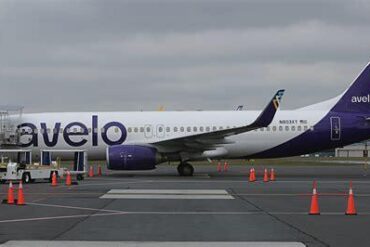
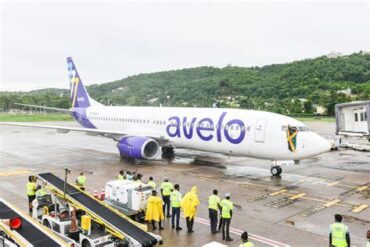
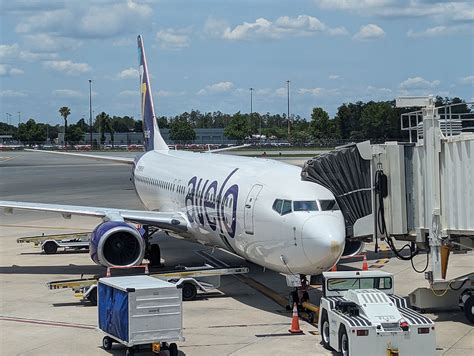
Wilmington International Airport continues to evolve its strategic importance in the modern aviation landscape. A significant development occurred in December 2024, when ILM was officially designated as an operating base for Avelo Airlines, with operations slated to commence in April 2025. This designation promises to further expand route options and enhance competition, benefiting travelers in the region. Avelo’s commitment underscores ILM’s attractiveness as a growing market and efficient operational hub.
Beyond its commercial and general aviation roles, ILM held a unique and critical designation as one of four airports along the U.S. East Coast that served as an emergency abort landing site for the Space Shuttle. The airport’s 8,016-foot Runway 6/24 met the revised landing requirements for the orbiter after improvements in its braking system reduced the necessary runway length from the previous 10,000 feet to 7,500 feet. This capability highlighted the quality and strategic preparedness of ILM’s infrastructure. Furthermore, Wilmington International Airport has frequently been utilized for touch-and-go training flights by United States Air Force VIP aircraft. This includes prestigious aircraft such as the Boeing VC-25 (commonly known as Air Force One when the President is aboard), the C-32, and the C-40, underscoring the airport’s capacity to handle large and specialized aircraft operations.
Environmental Responsibility: Addressing the Superfund Site
Wilmington International Airport has also demonstrated a commitment to environmental responsibility in addressing a legacy issue on its property. A 1,500-square-foot burn pit, located on airport grounds, was designated as a Superfund site on March 31, 1989. This burn pit was originally constructed in 1968 and was actively used until 1979 primarily for firefighter training missions. During these exercises, various substances, including jet fuel, gasoline, petroleum storage tank bottoms, fuel oil, kerosene, and sorbent materials from oil spill cleanups, were burned in the pit. It is estimated that up to 500 gallons of fuel and other chemicals were used during each training exercise. While water was the primary extinguishing agent, carbon dioxide and other dry chemicals were also employed.
Investigations revealed that the soil and groundwater in the vicinity of the burn pit were contaminated with multiple substances, including benzene, ethylbenzene, total xylene, 2-methylnaphthalene, phenanthrene, chloroform, 1,2-dichloroethane, and chromium. In response to the Superfund designation, a comprehensive environmental remediation process was undertaken. This process has been successfully completed, and the last five-year review for the site was finalized in August 2013. According to the U.S. Environmental Protection Agency (EPA), the site has been officially delisted from the National Priorities List, signifying that the remediation efforts have met the required environmental standards and the site no longer poses an unacceptable risk to human health or the environment.
Connecting Wilmington: Airlines, Destinations, and Cargo
Wilmington International Airport boasts a robust and growing network of airline services, connecting southeastern North Carolina to numerous domestic destinations. The airport is served by a mix of legacy carriers, low-cost airlines, and regional partners, offering a variety of choices for travelers.
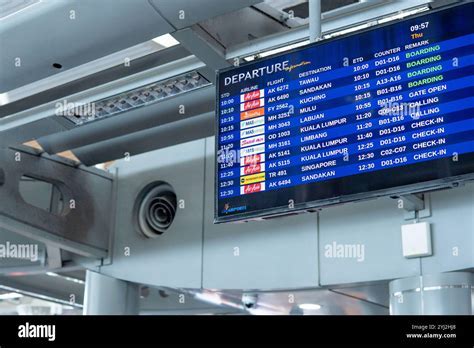
Passenger Airlines and Destinations:
- American Airlines provides mainline service to its major hubs in Charlotte and Dallas/Fort Worth.
- American Eagle, its regional partner, offers extensive service to Charlotte, Dallas/Fort Worth, Miami, New York–LaGuardia, Philadelphia, and Washington–National. Seasonal flights include Boston and Chicago–O’Hare.
- Avelo Airlines has rapidly expanded its presence at ILM, offering flights to Fort Lauderdale, Fort Myers, Manchester (NH), Nashville, New Haven, Orlando, Rochester (NY), and Tampa. Future Avelo destinations include Long Island/Islip (starting June 12, 2025), Detroit (starting June 12, 2025), Houston–Hobby (starting June 11, 2025), Miami (starting June 6, 2025), and Washington–Dulles (starting June 13, 2025). Seasonal Avelo routes include Baltimore and Wilmington (DE).
- Breeze Airways serves Fort Myers, Hartford, Orlando, and Providence. Future Breeze destinations include Akron/Canton (starting November 7, 2025), Fort Lauderdale (starting November 7, 2025), Long Island/Islip (starting October 2, 2025), and Tampa (starting October 2, 2025).
- Delta Air Lines offers mainline flights to its primary hub in Atlanta, with seasonal service to Minneapolis/St. Paul.
- Delta Connection, operated by regional carriers, provides service to Atlanta and New York–LaGuardia, with seasonal flights to Boston.
- JetBlue offers seasonal service to Boston.
- Sun Country Airlines provides seasonal flights to Minneapolis/St. Paul.
- United Express, operated by regional partners, serves Newark, with seasonal flights to Chicago–O’Hare and Denver.
This diverse array of destinations provides Wilmington residents and visitors with convenient access to major hubs for onward domestic and international connections, as well as direct flights to popular leisure and business markets. The airport’s route map visually demonstrates its connectivity across the eastern and central United States.
Cargo Operations:
In addition to passenger services, ILM supports a healthy cargo operation, facilitated by several key air freight carriers:
- DHL Aviation (operated by Ameriflight) connects to Charlottesville.
- FedEx Feeder links to Greensboro, Kinston, and Raleigh/Durham.
- UPS Airlines provides service to Raleigh/Durham.
These cargo services are vital for businesses in the region, supporting supply chains and timely delivery of goods.
Traffic Insights: Passenger Statistics and Airline Market Share
Analyzing passenger traffic data provides valuable insights into ILM’s busiest routes and the competitive landscape among airlines. For the 12-month period ending October 2024, the top domestic routes from Wilmington International Airport were:
- Charlotte, North Carolina: 249,250 passengers (primarily American Airlines)
- Atlanta, Georgia: 106,660 passengers (primarily Delta Air Lines)
- New York–LaGuardia, New York: 89,230 passengers (American Airlines, Delta Air Lines)
- Philadelphia, Pennsylvania: 43,140 passengers (primarily American Airlines)
- Washington–National, DC: 39,150 passengers (primarily American Airlines)
- Dallas–Fort Worth, Texas: 36,010 passengers (primarily American Airlines)
- Newark, New Jersey: 33,460 passengers (primarily United Express)
- New Haven, Connecticut: 23,540 passengers (primarily Avelo Airlines)
- Orlando, Florida: 16,250 passengers (primarily Avelo Airlines)
- Fort Lauderdale, Florida: 13,940 passengers (primarily Avelo Airlines)
These figures highlight the strong demand for connectivity to major airline hubs and key East Coast cities. In terms of airline market share for the same period (November 2023 – October 2024), the largest airlines serving ILM were:
- American Airlines: 327,000 passengers (22.90% market share)
- PSA Airlines (operating as American Eagle): 238,000 passengers (16.66% market share)
- Avelo Airlines: 160,000 passengers (11.22% market share)
- Delta Air Lines: 154,000 passengers (10.81% market share)
- Republic Airways (operating as American Eagle, Delta Connection, United Express): 148,000 passengers (10.36% market share)
The remaining 28.06% of the market share was held by other carriers, indicating a competitive environment that benefits passengers.
General Aviation and On-Site Operations
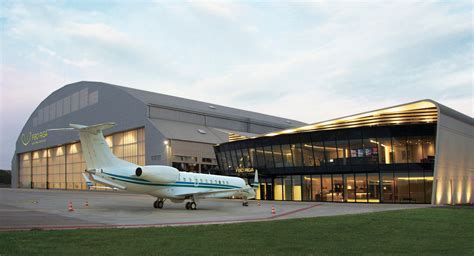
Wilmington International Airport is a significant hub for general aviation activities. As of January 31, 2022, there were 107 aircraft based at the airport. This fleet comprised 67 single-engine aircraft, 11 multi-engine aircraft, 21 jet engine aircraft, and 8 helicopters. For the year ending January 31, 2022, the airport recorded 78,237 aircraft operations, averaging approximately 214 per day. These operations were broken down as follows: 14% air carrier, 14% air taxi, 55% general aviation, and 17% military. Charter services are readily available, with providers like Air Wilmington having its own dedicated building. The airport also features several private and public hangars to accommodate based and transient aircraft. As of June 13, 2022, two fixed-base operators (FBOs) were providing comprehensive handling services to general aviation, including fueling, maintenance, and passenger amenities.
Investing in Growth: Recent and Future Airport Enhancements
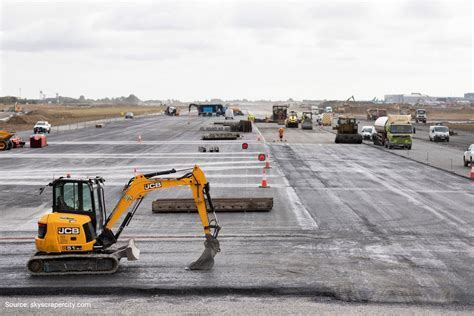
Driven by a consistent increase in passenger numbers over recent years, Wilmington International Airport has embarked on a series of ambitious renovation and expansion projects to enhance capacity, efficiency, and the overall passenger experience. A key early improvement was the construction in 2008 of a new terminal specifically for U.S. Customs and Border Protection to process passengers arriving on international flights. In 2006, the airport installed a new Visual Approach Slope Indicator (VASI) and Instrument Landing System (ILS) for Runway 6/24, significantly improving approach safety and all-weather operational capabilities. That same year, the FAA Airport Improvement Program awarded ILM $10,526,342. Of this, $3 million was allocated to enhance runway safety areas, while the remaining $7,526,342 funded the expansion of the airport’s apron area, the rehabilitation of Runway 6/24 (which had not undergone major rehabilitation in over 30 years), and the rehabilitation of Taxiways B, C, and E. The rehabilitation of Runway 17/35 was completed in 2014, a project that earned the prestigious Ray Brown Airport Pavement Award, recognizing it as the highest-quality U.S. airfield pavement produced that year.
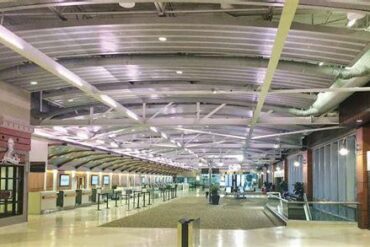
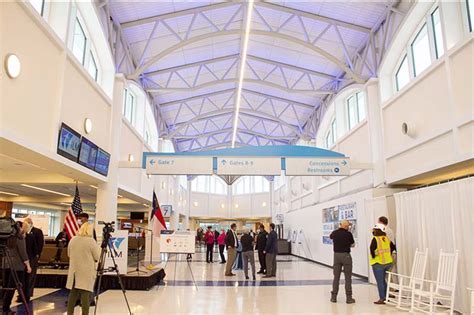
With passenger traffic continuing its upward trajectory, ILM initiated a substantial $86 million terminal expansion project in 2018. This multi-phased project was designed to modernize and enlarge the terminal facilities. Phase 1 focused on reconstructing the TSA and DHS baggage screening facilities, improvements largely behind the scenes but critical for operational efficiency. Construction for Phase 1 began in the summer of 2018 and was completed by April 2019. Phase 2 involved expanding the airline ticketing areas and airport administrative offices. This phase commenced in April 2019 and reached completion in the summer of 2020. Phase 3, the most passenger-facing part of the project, involved renovating and significantly expanding the concourse and the TSA security checkpoint. This expansion added more gates and increased the number of security screening lanes to improve passenger flow and reduce wait times. Phase 3 began in the fall of 2020 and was successfully completed in the fall of 2023, delivering a more spacious and modern environment for travelers.
Looking ahead, ILM has ambitious long-term plans to further improve its infrastructure. In March 2023, a five-year Vision Plan, spanning 2023 to 2027 and estimated to cost around $165 million, was released. A significant portion of these improvements will concentrate on the terminal entrance and parking areas. Key projects include the construction of a new 1,200-space parking deck, the expansion of existing surface parking lots, and the realignment of Airport Boulevard to improve traffic flow and access. These enhancements are planned for completion by 2027. The Vision Plan also includes further improvements and a small expansion of the terminal building itself. Supporting these efforts, the airport received a $4 million grant from the FAA in February 2024, partially funding the terminal access road and curb expansion and realignment project. In a more immediate timeframe, construction was approved in June 2023 for a new surface parking lot with 950 spaces, costing approximately $4.6 million, which was completed in March 2024. Prior to that, in November 2023, Parking Lot F, providing an additional 500 vehicle spaces, was also completed, helping to alleviate parking congestion during peak travel periods.

Governance and Stewardship
Wilmington International Airport is a publicly owned entity, with New Hanover County holding the ownership. The governance structure was formalized in 1989 when the North Carolina General Assembly ratified Senate Bill 410 (Chapter 404), which authorized New Hanover County to establish an airport authority. Consequently, the county authorized the creation of the Wilmington Airport Authority on July 1, 1989. This authority is tasked with assisting the airport director in the day-to-day management and strategic development of the airport. The airport property is leased to the Wilmington Airport Authority by New Hanover County for a nominal fee of $1 per year, under an agreement that extends until 2049. This lease was extended for an additional 30 years after its original expiration in 2019, ensuring long-term stability for airport operations and development. The current Airport Director is Jeffrey Bourk, A.A.E., and the Chair of the seven-member New Hanover County Airport Authority is Spruill Thompson. These board members are appointed by the New Hanover County Commissioners, ensuring local oversight and accountability.
Noteworthy Historical Incidents
Like many long-operating aviation facilities, Wilmington International Airport has experienced several incidents over its history:
- On September 24, 1961, a USAF Fairchild C-123 Provider with 15 occupants, including six skydivers, stalled and crashed shortly after takeoff during an air show. This tragic accident resulted in three fatalities.
- On August 22, 1962, a Piedmont Airlines Martin 4-0-4 aircraft swerved off the runway at ILM during a training flight. Fortunately, all three occupants survived, but the aircraft was deemed a write-off.
- On October 4, 1975, a twin-engine Cessna 310 (registration N29560), piloted by 28-year-old Vietnam War veteran Joseph Michael Farkas, crashed short of the field while arriving from Charlotte. The cause was determined to be fuel exhaustion. The flight was carrying several prominent professional wrestling figures associated with Jim Crockett Promotions, en route to a wrestling event at Legion Stadium. Passengers included promoter David Crockett, and wrestlers Bobby Bruggers, Ric Flair, Johnny Valentine (then U.S. heavyweight champion), and Tim Woods. While Farkas tragically died after spending two months in a coma at New Hanover County Hospital, all his passengers survived with varying degrees of injuries.
- On April 23, 1987, a Swearingen Metro II operating a cargo flight for Air-Lift Commuter experienced an engine failure on takeoff from ILM and crashed, resulting in the deaths of both occupants.
- On May 4, 1990, a GAF Nomad aircraft arriving from Raleigh–Durham International Airport crashed on approach to runway 34 at ILM. Both occupants of this aircraft were fatally injured.
Wilmington International Airport in Popular Culture
Beyond its aviation functions, Wilmington International Airport has also served as a backdrop for popular culture. Several scenes for the widely recognized television show One Tree Hill, which was primarily filmed in and around Wilmington, were shot inside the airport’s terminal. This exposure brought a glimpse of ILM to a national and international television audience, subtly weaving the airport into the cultural fabric associated with the Wilmington area.

In conclusion, Wilmington International Airport is a dynamic and growing transportation hub that plays a crucial role in the connectivity and economic vitality of Wilmington and the surrounding coastal North Carolina region. From its historical roots as Bluethenthal Field to its current status as a modern international airport with ambitious expansion plans, ILM continues to adapt and evolve, consistently striving to provide excellent service and facilities for passengers, airlines, and the broader community it serves. Its ongoing improvements and strategic partnerships, such as the new Avelo Airlines base, signal a bright future for air travel in this vibrant part of the state.