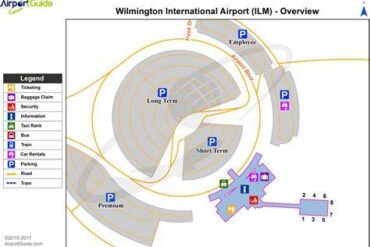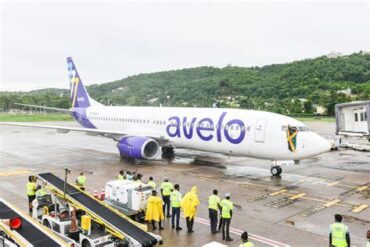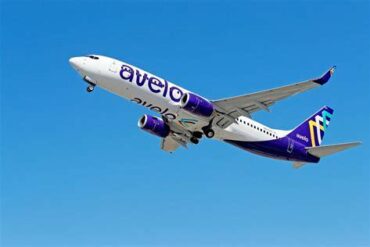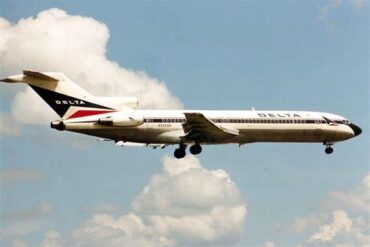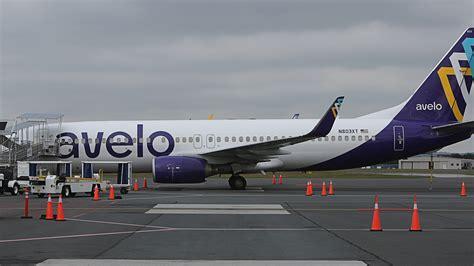
Wilmington International Airport (ILM), a modest yet proud regional airport nestled in North Carolina’s southeastern coast, has reached a somber aviation milestone. Avelo Airlines, the ultra-low-cost carrier that had brought a flicker of global connectivity to ILM, is officially ending its first and only international route — a direct link to Punta Cana, Dominican Republic. This short-lived connection, while brief, had symbolized a hopeful step toward broader horizons for Wilmington. But now, it is being swept away in a strategic realignment of Avelo’s operations.
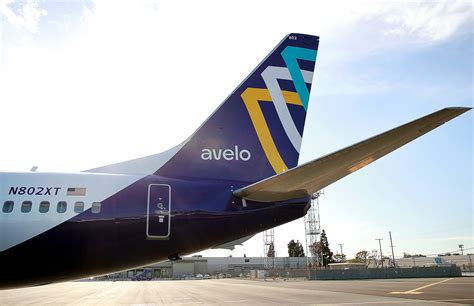
ILM’s Brief Foray into International Aviation
The Punta Cana route, inaugurated with fanfare on December 24, offered residents and tourists a bi-weekly escape to Caribbean warmth. Operated by Boeing 737-700 aircraft, the flights ran on Wednesdays and Saturdays, taking off at 10:00 AM and arriving just over three hours later in Punta Cana. The return flights brought sun-soaked travelers home by early evening. Though seasonal, this route was a watershed moment: it marked the first time in ILM’s history that scheduled international flights were part of its offerings.
Unfortunately, the romance was short-lived. A scan of Avelo’s website reveals the last bookable flight is on January 24, suggesting the route will be permanently axed. The airline’s decision is part of a larger shift to consolidate operations around four key hubs: New Haven (CT), Wilmington (DE), Concord Padgett (NC), and Lakeland Linder (FL). As a result, not only is Wilmington (NC) losing its international service, but it is also losing its status as an Avelo base entirely.
Economic Ripples in the Community
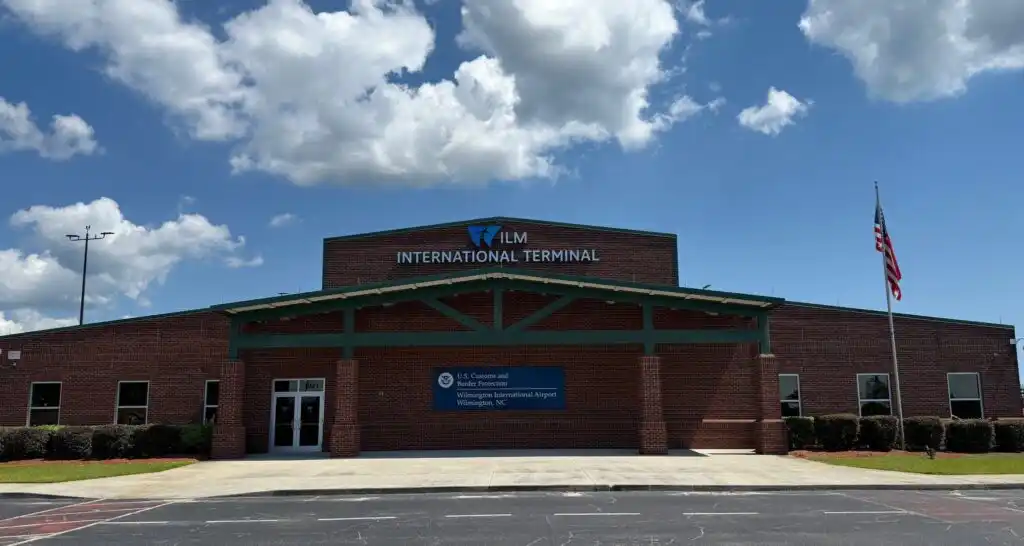
Despite the short timeline, the international service made an economic and symbolic impact. Wilmington International had invested significantly in upgrades, including customs and border protection facilities, to support international arrivals. The route was seen as a stepping stone to attracting additional carriers and routes, a prospect that now seems abruptly halted.
The discontinuation stings more deeply considering the broader relationship between ILM and Avelo. Since launching service at ILM in 2021, Avelo has transported more than 250,000 travelers, contributing an estimated $1.1 billion to the local economy. The route to Punta Cana, albeit seasonal, represented the potential for ILM to evolve into a regional gateway, rather than just a domestic hub.
Avelo’s Retreat and Strategic Refocus
Avelo’s decision reflects a calculated shift towards streamlining and sustainability in a fiercely competitive aviation market. By reducing its operational bases, the airline aims to tighten efficiency and maximize aircraft utilization. ILM’s low volume and limited route network likely influenced the decision. According to data from the Bureau of Transportation Statistics, Avelo managed to secure a 12.76% market share at ILM between August 2024 and July 2025 — second only to American Airlines.
Yet, Avelo’s footprint in Wilmington is not disappearing entirely. The airline will maintain several domestic routes from ILM, continuing service to Nashville, New Haven, Tampa, Washington Dulles, and Baltimore. Passengers affected by the international route cancellation will be offered refunds or rebookings, per Avelo’s policy.
The Bigger Picture for ILM
ILM will, for now, retain the word “International” in its name — but without international service, it becomes a symbolic designation more than a literal one. This reversion to exclusively domestic travel is particularly poignant given ILM’s recent rise in profile. In 2025, the airport ranked as the 108th busiest in the U.S., according to Cirium, an aviation analytics firm. Its modest but growing traffic volumes offered optimism that it could punch above its weight in the regional airspace.
Passengers in search of international travel from Wilmington will now face longer drives to Raleigh–Durham International Airport (RDU) or Charlotte Douglas International Airport (CLT). Alternatively, international access via connecting flights on carriers like American Airlines, Delta, JetBlue, and United from ILM remains an option — though less convenient.
Farewell to an Ambition, Not a Vision
At its peak, a roundtrip to Punta Cana from ILM was astonishingly affordable. Avelo offered base fares of just $18 each way, with government fees bringing the total to approximately $217 roundtrip. These low fares were a double-edged sword — attractive to budget-conscious travelers, but possibly unsustainable for the carrier in a niche market.
Still, the memory of this brief venture into international airspace will linger. For ILM, it was not just about where the aircraft flew — it was about what it represented: opportunity, expansion, and a sense of connection to the world beyond. The infrastructure investments made will remain in place, perhaps waiting for another airline bold enough to attempt what Avelo could not sustain.
What Comes Next for Wilmington?
This “end of an era” should not be mistaken for the end of ambition. Wilmington’s regional economy continues to grow, fueled by its tourism sector, burgeoning tech ecosystem, and quality of life. Air travel is a key enabler of that growth. Airport officials and local stakeholders are likely to continue courting carriers for new domestic and international routes that make economic sense.
In the meantime, ILM remains a vital connector for southeastern North Carolina. It plays host to a mix of legacy carriers and low-cost operators that link the region to key hubs across the United States. Though its runway to the world may have temporarily closed, the groundwork has been laid. The terminal has been expanded. The customs facility has been built. The door remains ajar.
Airports, like cities, are defined not just by the flights they operate — but by the aspirations they carry. And Wilmington, despite the loss of its lone international flight, continues to look upward.