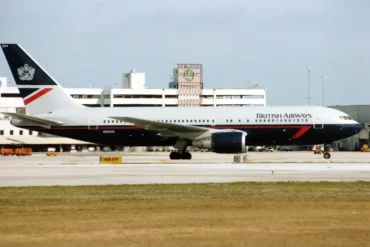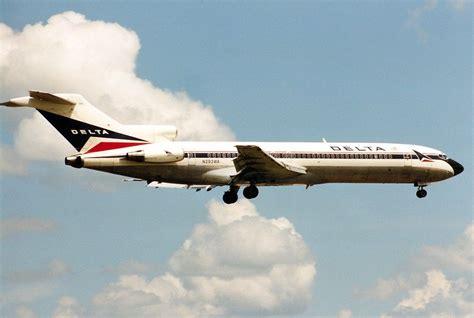
Frankfurt Airport—Germany’s aviation gateway to the world—has long stood as a cornerstone in European and global connectivity. Dominated today by Lufthansa and its Star Alliance partners, Frankfurt’s vast network of intercontinental and intra-European flights is a product of modern alliance-driven air travel. But few remember that, once upon a time, this stronghold of German aviation served as a pivotal European hub for Delta Air Lines, the Atlanta-based U.S. legacy carrier. Delta’s former operations at Frankfurt were not only ambitious—they were emblematic of a bygone era in international airline strategy.
Delta’s decision to shutter its Frankfurt hub was not the product of any sudden disruption but rather a slow, methodical unraveling of transatlantic priorities. To understand what happened to Delta’s Frankfurt hub, we must revisit an age where legacy carriers were experimenting with fragmented networks across continents in pursuit of global dominance.
Frankfurt Airport: From Military Grounds to Mega Hub
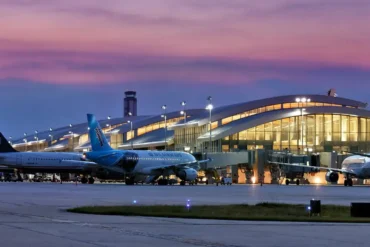
Frankfurt Main Airport (FRA), operated by Fraport, has evolved dramatically since its early days as a U.S. military airfield after World War II. With over 5,600 acres, four runways, and two passenger terminals, FRA ranks as Germany’s busiest airport and the sixth-busiest in Europe as of 2024, hosting over 61 million passengers annually.
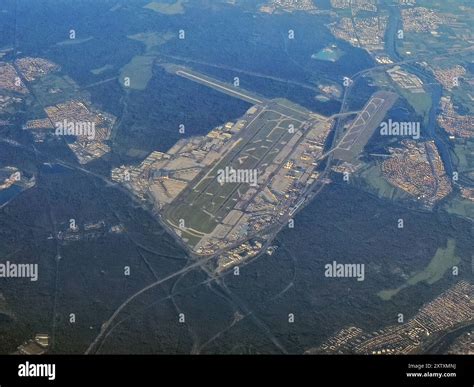
It connects to more than 330 destinations worldwide, serving five continents. Lufthansa’s dominance has only grown over the decades, strengthened by its affiliations with regional subsidiaries and global partnerships. For most airlines outside Star Alliance, Frankfurt became difficult airspace to penetrate effectively—unless they brought a unique strategy to the table. That was exactly what Delta did.
Delta’s Strategy: A Different Kind of European Expansion
Delta Air Lines, a global behemoth in terms of market capitalization and revenue, had an atypical approach to European operations during the late 20th century. Unlike today’s laser focus on U.S.-centric hubs and SkyTeam-aligned partnerships, Delta once took an independent path by operating an expansive European hub at Frankfurt.
At its peak, Delta used Frankfurt as a launching pad for flights across Europe, reaching cities such as Athens, Istanbul, and Moscow. It wasn’t just intra-European routes—Delta also flew direct transatlantic services from Frankfurt to key U.S. destinations like Los Angeles, Washington D.C., and Orlando. The German hub functioned as a critical node in a complex intercontinental web.
But this structure came at a cost. The 1990s brought a wave of consolidation and fiscal scrutiny across global airlines. As network optimization took precedence over global sprawl, Delta began reassessing the viability of maintaining an isolated European hub.
The Decline: Financial Logic and Fleet Efficiency
Delta’s operational pivot from Frankfurt was driven by pure economics. Maintaining a standalone hub in Europe, particularly one not supported by alliance synergies, proved increasingly inefficient. Delta’s leadership estimated that shutting the Frankfurt hub and reorganizing resources could result in $62 million in profit improvements, which would offset $60 million in associated restructuring costs.
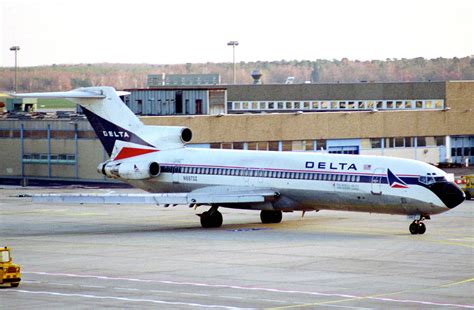
This decision resulted in approximately 800 job cuts across Europe, predominantly in Germany. Contrary to speculation, Delta’s leadership—under Chairman Ron Allen at the time—denied that Lufthansa and United Airlines’ growing partnership was a catalyst. Instead, it was about aircraft productivity.
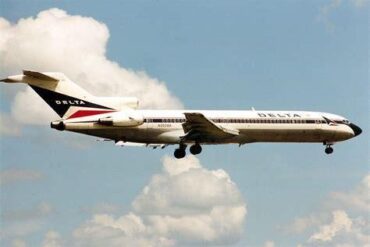
Fleet assets like the Boeing 727, once dedicated to intra-European services, were repurposed for high-yield domestic U.S. routes, effectively doubling aircraft utilization. These aircraft, once circling the continent, were now turning more frequent, revenue-generating rotations stateside.
JFK: The New Gateway to Europe
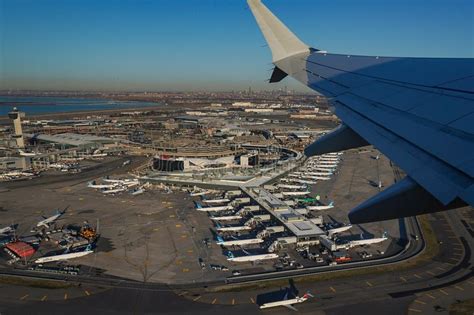
As the Frankfurt hub contracted, New York’s John F. Kennedy International Airport (JFK) emerged as the new cornerstone of Delta’s transatlantic operations. The airline introduced or expanded services from JFK to Madrid, Istanbul, Manchester, Rome, and Athens, among others. The shift represented a strategic refocus, where international operations could be consolidated within stronger, alliance-friendly U.S. gateways.
This pivot wasn’t just about destinations—it was also about partnerships. While Frankfurt no longer served as a direct connection point, Delta retained network access to various European cities like Bucharest and St. Petersburg through codeshare agreements with Austrian Airlines and other carriers.
The airline’s move from Paris Orly to Charles de Gaulle Airport (CDG) during this period further strengthened its SkyTeam synergy with Air France, helping establish Paris as Delta’s preferred continental gateway—one reinforced by a robust codeshare network and efficient long-haul fleet integration.
Fleet Modernization Reduces Need for European Hubs
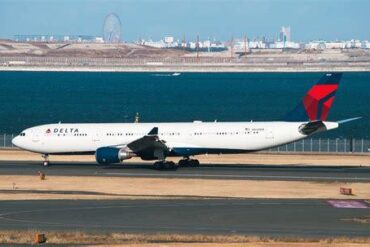
In parallel with network realignment, Delta embarked on a fleet modernization drive. The acquisition and deployment of next-generation widebody jets—Boeing 767s and Airbus A330s—empowered the airline to connect U.S. cities directly to European destinations without relying on mid-continent hubs.
Aircraft like the A350, introduced in subsequent years, solidified Delta’s ability to offer long-haul services efficiently from multiple U.S. gateways. This technological shift diminished the strategic necessity of maintaining overseas hubs. The aircraft could now fly farther, burn less fuel, and provide superior passenger comfort—all while staying within Delta’s core network.
Frankfurt, once an essential puzzle piece, had become an extraneous asset in a hub-and-spoke system centered around U.S. operations.
The Legacy of Delta’s Frankfurt Years
Though forgotten by many, Delta’s Frankfurt hub played a pivotal role in the airline’s international maturity. It served as a real-world case study in global expansion, profitability balancing, and the delicate art of transatlantic scheduling. The rise and fall of this hub foreshadowed the modern strategies that major carriers employ today, prioritizing partner alignment, network efficiency, and fleet flexibility.
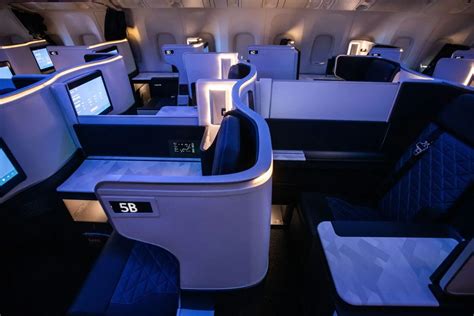
Delta’s modern footprint now relies on strategically aligned alliances and fortified U.S. hubs such as Atlanta, JFK, Detroit, and Seattle. With its SkyTeam partners in place, Delta no longer needs isolated European bases—it simply needs the right planes, the right partners, and the right passengers.
Final Thoughts: From Fragmented Networks to Integrated Strength
The era of Delta’s Frankfurt hub was a bold experiment—a vision of a truly global Delta operating with semi-autonomous bases outside North America. However, aviation economics, aircraft technology, and alliance structures rendered that vision obsolete. Today’s Delta is leaner, more connected, and more U.S.-centric than ever, thriving not through geographic sprawl but through strategic concentration.
Frankfurt Airport remains one of the world’s most influential hubs, but for Delta Air Lines, it is now just a destination—not a fortress.