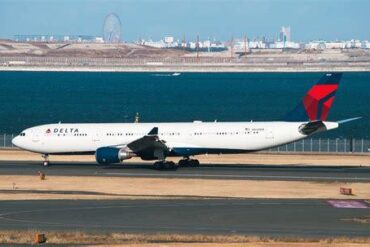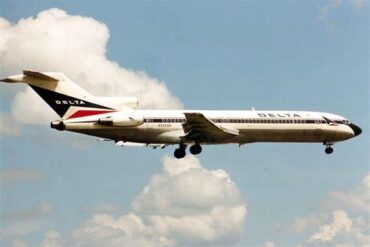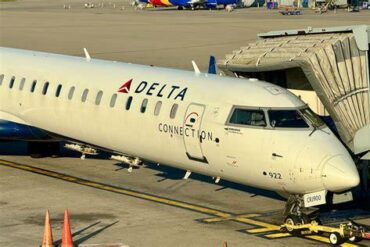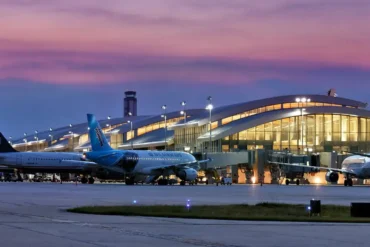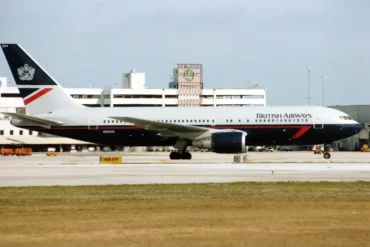
Memphis International Airport once stood as a critical node in the U.S. commercial aviation network, a bustling hub operated first by Northwest Airlines and later inherited by Delta Air Lines. Located strategically in the Mid-South, Memphis offered advantageous geography, moderate weather, and infrastructure capable of accommodating significant passenger and cargo operations. However, what was once a vibrant hub serving over 300 daily flights now finds itself remembered more for its role in FedEx’s global cargo dominance than as a commercial airline hotspot.
The decline of Delta’s Memphis hub wasn’t a sudden collapse, but a slow unraveling marked by changing corporate priorities, aircraft inefficiencies, and fierce internal competition within Delta’s own network. Understanding what happened to the Memphis hub involves unpacking a complex history of mergers, economics, strategic shifts, and the airport’s transformation into a global freight superpower.
The Birth of a Hub: From Southern Airways to Northwest’s Stronghold
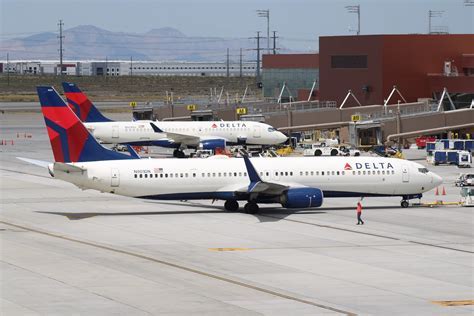
Memphis’ aviation prominence began in the 1960s with Southern Airways, a regional player that merged into Republic Airlines in 1979. Republic laid the groundwork for a hub in Memphis, which matured quickly. In 1986, Republic merged into Northwest Airlines, and from there, Memphis flourished as one of Northwest’s two major hubs alongside Detroit Metro. The airport’s location proved ideal for flights radiating across the country, as well as to Mexico, the Caribbean, and Canada.
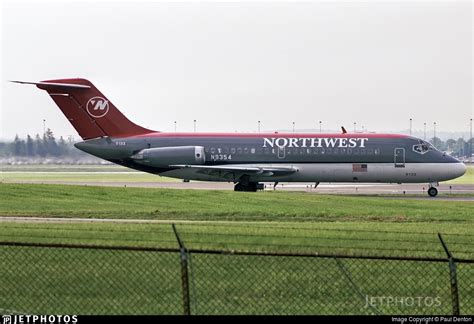
At its peak in the early 2000s, Northwest Airlines operated around 300 flights per day from Memphis, leveraging a fleet heavy with McDonnell Douglas DC-9 aircraft and other regional jets. The airport even boasted a transatlantic route to Amsterdam, first operated by KLM in 1995 and taken over by Northwest in 2003 — a high point that underscored Memphis’ international aspirations.
The Delta Merger and Strategic Duplication
The seeds of decline were sown in 2008 when Delta Air Lines acquired Northwest Airlines, effectively inheriting its Memphis hub. The merger created overlapping networks, particularly with Delta’s already dominant presence at Hartsfield-Jackson Atlanta International Airport, less than 400 miles away.
Initially, Delta maintained operations in Memphis. But cracks began to form. The carrier faced pressure to eliminate redundancy and optimize route profitability. Atlanta, being Delta’s headquarters and the busiest airport in the world, naturally took precedence. In contrast, Memphis’ relatively small local market, heavy reliance on 50-seat regional jets, and limited international connectivity became glaring liabilities.
By 2012, Delta discontinued the Amsterdam route, marking the end of long-haul international service. A year later, in June 2013, Delta officially dehubbed Memphis, reducing daily flights from 93 to just 60 and eliminating 230 airport-related jobs. The main reasons cited included high fuel prices, the inefficiency of 50-seat aircraft, and poor yield performance.
The Aftermath: Renovations and Retrenchment
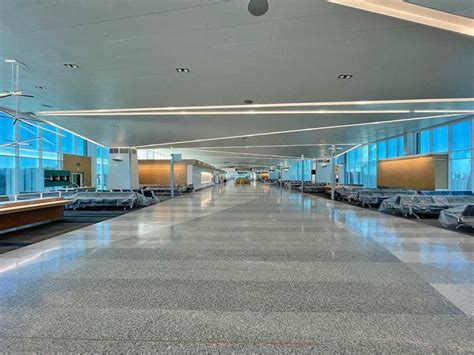
The years following the dehubbing were grim. Passenger traffic plummeted from 11.3 million in 2007 to just 3.5 million in 2015. Memphis’ infrastructure — built for hub-scale operations — sat underused. As a result, the Memphis-Shelby County Airport Authority launched a strategic plan to consolidate and modernize the terminal layout.
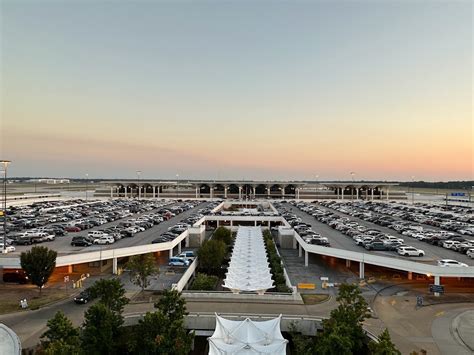
This involved demolishing unused portions of Concourses A and C, mothballing others, and renovating Concourse B into a more modern, efficient space. Though plans evolved over time, the final version of the renovations was completed in February 2022, with additional demolition of Concourse C completed in 2023. Today, Memphis International has around 60 active gates, a far cry from its heyday.
FedEx Takes Center Stage
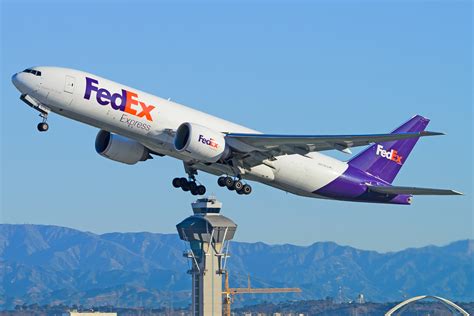
While commercial aviation declined, FedEx Express cemented its role as the dominant player at Memphis. Having moved its headquarters there from Little Rock in 1973, FedEx gradually built the airport into its primary global hub — the so-called “FedEx Superhub.” Today, it is the second-busiest cargo airport in the world, trailing only Hong Kong.
FedEx operates a fleet of over 380 aircraft, including Boeing 757Fs, 777Fs, Airbus A300-600Fs, and legacy McDonnell Douglas MD-11Fs. Most of its operations are domestic, but international cargo flights reach Cologne, London, Paris, and Guadalajara. Its scale has transformed the airport into a logistical epicenter, albeit one with limited passenger activity.
Passenger Operations: A Slow Climb Back
After bottoming out in 2015, passenger volumes at Memphis began to recover modestly. In 2019, the airport served 4.6 million passengers before the COVID-19 pandemic dropped traffic to just 2.0 million in 2020. However, resilience followed. By 2023, numbers had bounced back to 4.8 million, and 2024 marked a new post-hub high of 4.9 million passengers.
Yet, Memphis remains, at best, a medium-sized regional airport. International service is practically non-existent. The only exception is seasonal service to Cancun operated by VivaAerobus, a Mexico-based budget airline. All other flights are domestic and operated by U.S. carriers like Delta, American, United, Southwest, Spirit, Frontier, Allegiant, Breeze, and regional subsidiaries such as American Eagle and Delta Connection.
Delta’s Continuing Presence at Memphis
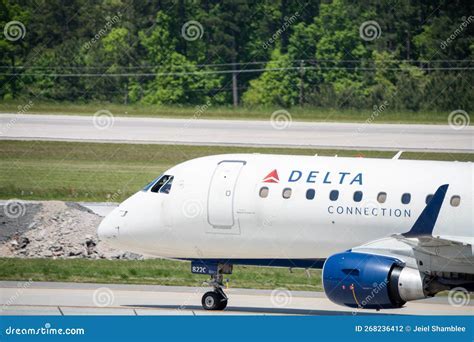
Despite shuttering the hub, Delta remains the largest airline at Memphis by market share, accounting for 24% of total passengers between April 2024 and March 2025. American Airlines trails closely with 20.7%, followed by Southwest Airlines with 17.7%. Though Delta’s role is now that of a primary service provider rather than a hub operator, its continued dominance shows that brand loyalty and essential routes remain intact.
Delta’s Memphis operations now focus on point-to-point connections, primarily to other hubs like Atlanta, Detroit, and Salt Lake City. These flights are typically operated by regional jets or narrow-body aircraft.
Nashville’s Rise Highlights Memphis’ Decline
The contrast with Nashville International Airport (BNA), Tennessee’s other major airport, could not be starker. In 2024, Nashville served 24.5 million passengers — five times more than Memphis. Nashville’s surge is attributed to population growth, tourism, a burgeoning tech economy, and strategic expansion by low-cost carriers like Southwest.
Memphis, in contrast, suffers from a smaller catchment population, fewer economic drivers, and its proximity to Delta’s behemoth in Atlanta, which continues to cannibalize connecting traffic that once passed through MEM.
A Shadow of Its Former Self — But Not Forgotten
Memphis International Airport may never again reach its past stature as a major Delta or Northwest hub, but it remains a vital part of America’s aviation landscape — just in a different form. As a top-tier cargo airport, it plays a pivotal role in global supply chains. As a regional passenger airport, it continues to inch upward in relevance through renovations, incremental growth, and a steady list of domestic services.
Delta’s decision to abandon its Memphis hub was driven by hard financial realities — overlapping networks, outdated aircraft, fuel inefficiencies, and a competitive disadvantage compared to its Atlanta operations. Yet, it left behind more than empty terminals: it transformed the airport into a case study in how U.S. air travel has evolved in the 21st century — from fortress hubs to cargo corridors, from mega-gate complexes to boutique concourses.
The Memphis hub’s fall marks the end of an era. But in many ways, it is also a story of adaptation. While Delta has long moved on, Memphis still flies — just with more freight in its belly and fewer passengers in its seats.