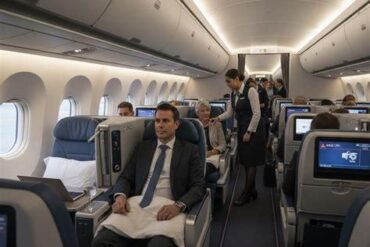
Airline cabins are laboratories of economics disguised as passenger spaces. Every inch of seat pitch, every armrest width, and every meal tray reflects a calculated balance between comfort and profit. Over the past three decades, one particular innovation has quietly reshaped that balance more than almost any other: Premium Economy. What began as a niche experiment has evolved into a central pillar of airline revenue strategy, filling the gap between cramped affordability and lie-flat luxury with a product that millions of travelers now consider essential.
The aviation industry rarely changes overnight. Instead, it shifts through incremental adjustments—new seat layouts, evolving cabin products, and subtle changes in pricing structures. Premium Economy is a perfect example of this slow revolution. Positioned between economy and business class, it offers a carefully calibrated upgrade: more space, improved service, and a smoother airport experience, but at a price far below premium cabins.
For airlines navigating a fiercely competitive market, this middle ground has become invaluable. Premium Economy allows carriers to monetize comfort without sacrificing seat density. In an industry where margins are notoriously thin, that ability has transformed the cabin from a passenger perk into a dependable revenue generator.
The Origins of Premium Economy: A Three-Decade Evolution
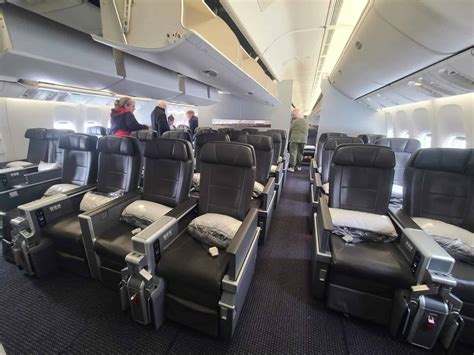
Premium Economy may feel like a modern response to contemporary travel expectations, but its roots stretch back much further than most passengers realize. In the early decades of commercial aviation, airline cabins were simple. Most flights operated either as a single class or with a two-tier structure consisting of first class and economy. Travelers seeking comfort paid a premium; everyone else accepted tighter seating.
This structure began to evolve in the late 1970s when Qantas introduced business class on long-haul routes. The move reshaped the economics of airline cabins by inserting a new tier between luxury and affordability. Airlines quickly discovered that many passengers were willing to pay more than economy fares for additional comfort, even if they could not justify first-class prices.
The true birth of Premium Economy arrived in 1991 when EVA Air launched “Evergreen Class” aboard its Boeing 747-400 fleet. Unlike simple economy-plus seating, Evergreen Class was a dedicated cabin with wider seats, greater legroom, and enhanced service. It represented a distinct travel experience designed for passengers seeking comfort without the financial leap to business class.
Soon afterward, Virgin Atlantic introduced its own version, originally branded as “Mid Class.” By the mid-1990s, the concept had matured and was renamed Premium Economy, a label that quickly gained industry traction. Over the following two decades, airlines across Asia, Europe, and North America gradually adopted the model.
What began as a cautious experiment eventually became a structural component of modern widebody aircraft design.
The Hybrid Airline Challenge: When Premium Beats Economy
The rise of Premium Economy has also changed the competitive landscape between traditional full-service carriers and emerging hybrid airlines. Historically, low-cost airlines focused on high-density economy seating, emphasizing price above all else. Comfort was secondary.
That assumption no longer holds.
Consider the transpacific route connecting Seoul and San Francisco. Major network carriers like United Airlines, Korean Air, and Asiana Airlines dominate the route with traditional cabin structures. Yet they face competition from the rapidly growing hybrid airline Air Premia.
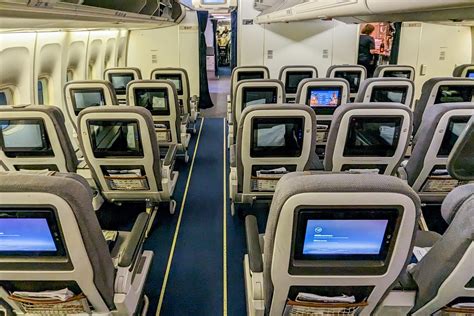
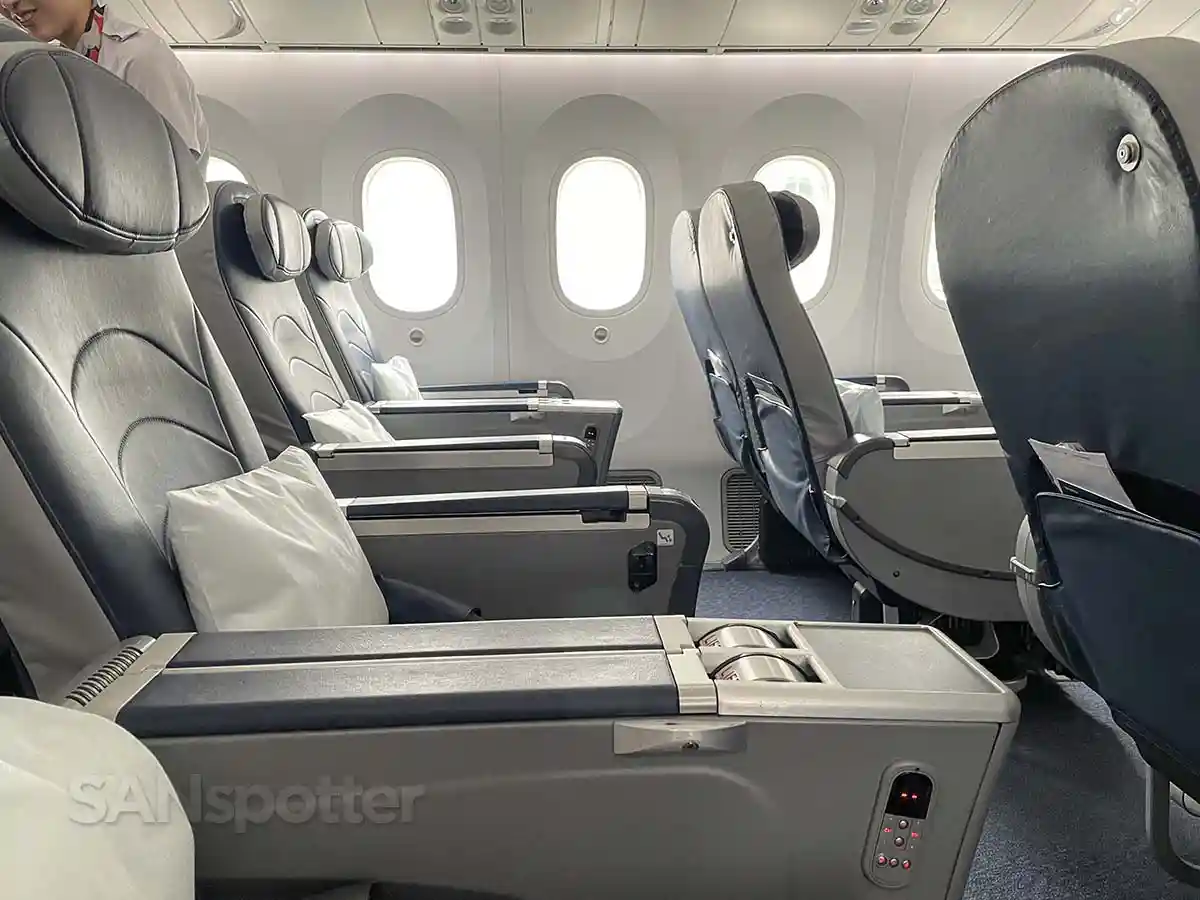
Air Premia’s strategy is strikingly simple yet disruptive. Instead of offering a standard economy product similar to legacy carriers, the airline equips its Boeing 787 aircraft with “Wide Premium” seats that deliver roughly 42 inches of pitch. That measurement approaches the legroom once associated with business class in earlier generations of aircraft.
The contrast is stark. A typical economy seat on a long-haul aircraft may offer about 31 inches of pitch. By comparison, Air Premia’s premium product provides dramatically more space for passengers traveling across the Pacific on flights lasting more than 12 hours.
This shift creates an intriguing consumer dilemma. Some travelers now face a choice between flying a well-known legacy airline in standard economy or choosing a smaller airline that offers significantly more physical comfort in a premium seat.
The decision is no longer purely about price.
It involves evaluating service ecosystems, loyalty programs, alliance networks, and brand reputation alongside seat comfort. Premium Economy has effectively blurred the line between low-cost innovation and traditional airline service models.
What Premium Economy Actually Delivers
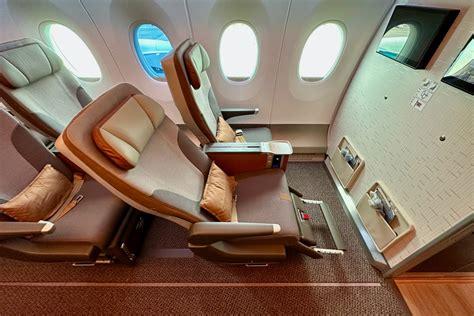
At its core, Premium Economy is defined by two fundamental attributes: space and service. Unlike economy class, which prioritizes seat density, Premium Economy cabins are designed to deliver measurable comfort improvements.
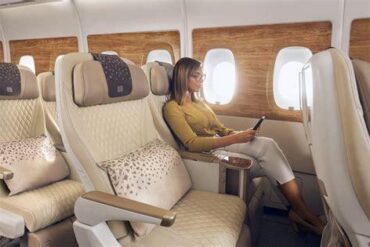
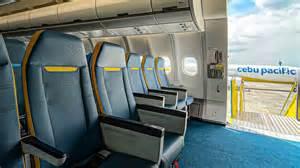
Seat pitch typically ranges from 36 to 38 inches, providing noticeably more legroom than the 30 to 33 inches found in most economy cabins. Seat width is usually one or two inches wider, while recline angles are significantly deeper. Many seats include adjustable leg rests and enhanced cushioning that allow passengers to maintain a comfortable position during long flights.
These design features may appear modest on paper, yet they dramatically alter the long-haul travel experience. A few additional inches of pitch can make the difference between restless discomfort and meaningful rest on overnight journeys.
Beyond the seat itself, the cabin experience includes subtle but important upgrades. Priority check-in and boarding streamline the airport process, allowing passengers to bypass long queues. Baggage allowances are often higher, and onboard service tends to include upgraded meals, complimentary alcoholic beverages, and small amenity kits.
Entertainment systems are typically larger and more responsive, while power outlets and USB ports are nearly universal. These features reflect the expectations of modern travelers who rely on personal devices throughout long flights.
The value of Premium Economy lies not in luxury but in equilibrium. It delivers tangible improvements in comfort without approaching the cost of business class.
For travelers flying long sectors—particularly those exceeding eight hours—this balance becomes compelling. Reduced fatigue, improved sleep, and a smoother airport experience collectively transform the journey.
How Airlines Built Strategy Around the Cabin
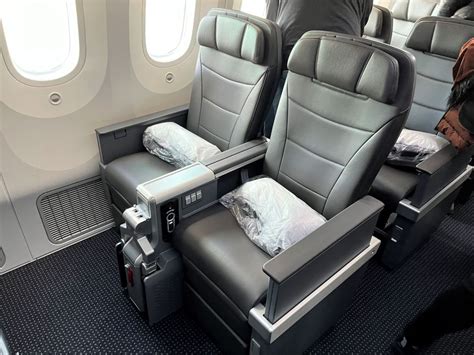
What began as a product enhancement has evolved into a core element of airline strategy. Carriers increasingly design their fleets, route networks, and cabin layouts around Premium Economy demand.
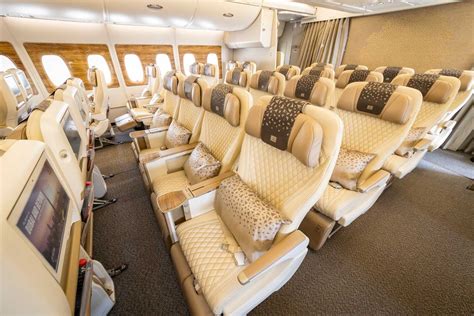
One of the most notable examples comes from Emirates. The airline has accelerated the rollout of its Premium Economy product across multiple aircraft types, including the iconic Airbus A380 and the long-range Boeing 777. The cabin is also being installed on new aircraft such as the Airbus A350 entering the fleet.
The strategy extends beyond hardware. Emirates is deploying Premium Economy across an expanding list of destinations, integrating the cabin into network planning rather than treating it as a luxury add-on.
Cities across Europe, Asia, Africa, and Australia have seen the introduction of the product. The expansion underscores a broader industry realization: Premium Economy is no longer optional.
It is foundational.
Airlines increasingly recognize that passengers value choice. Some travelers will always seek the cheapest fare, while others demand lie-flat luxury. But between those extremes lies a vast middle market of travelers willing to pay more for comfort—particularly on long journeys.
Premium Economy captures that demand with remarkable efficiency.
The Technology Factor Shaping the Next Generation
Aircraft technology has played a major role in enabling the rise of Premium Economy. Modern widebody aircraft like the Boeing 787 and Airbus A350 are designed with improved cabin pressurization, higher humidity levels, and quieter engines. These advancements create a more comfortable baseline environment for passengers.
When combined with Premium Economy seating, the result is a dramatically improved long-haul travel experience compared with earlier generations of aircraft.
Connectivity is another emerging differentiator. Airlines are beginning to integrate high-speed internet services powered by satellite networks such as Starlink. Reliable onboard connectivity may soon become as essential to passengers as inflight entertainment or meal service.
Future Premium Economy cabins are expected to incorporate several additional upgrades. Seat ergonomics will continue to improve as manufacturers refine cushioning and support structures. Materials may shift toward lighter, sustainable composites that reduce aircraft weight while maintaining durability.
Cabin aesthetics are also evolving. Designers increasingly treat Premium Economy as a distinct environment rather than an extension of economy class. Color palettes, lighting schemes, and privacy elements help reinforce the sense of stepping into a different travel tier.
These refinements demonstrate how airlines view Premium Economy not merely as a seat but as a holistic experience.
Why Premium Economy Became a Financial Powerhouse
The true brilliance of Premium Economy lies in its economic logic.
Airlines operate within an industry defined by fixed costs. Once a flight departs, any empty seat represents lost revenue that can never be recovered. Maximizing yield—the average revenue generated per passenger—is therefore essential.
Premium Economy allows airlines to segment the market more effectively. Instead of forcing travelers to choose between low-margin economy fares and expensive business class tickets, carriers offer a middle option that appeals to a broad range of passengers.
Corporate travelers whose companies prohibit business-class spending often choose Premium Economy for long flights. Leisure travelers celebrating special occasions may also upgrade for added comfort. Even frequent flyers sometimes prefer the cabin when business class fares surge.
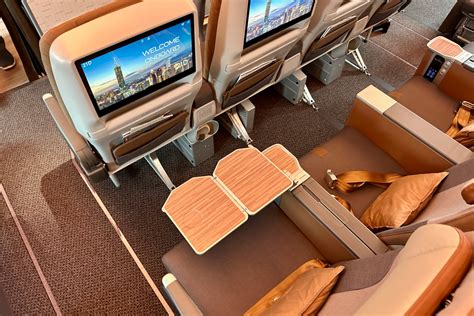
From an airline’s perspective, this creates an ideal scenario. Premium Economy seats occupy slightly more space than economy seats, but they generate significantly higher revenue per passenger.
The mathematics are compelling.
If a Premium Economy seat replaces two standard economy seats but sells for double or triple the price of an economy ticket, the airline can dramatically increase overall revenue while maintaining manageable capacity.
This balance between seat density and yield has transformed Premium Economy into one of the most profitable cabins in commercial aviation.
Airlines such as Cathay Pacific, Delta Air Lines, and Korean Air continue investing heavily in the cabin, refining both hardware and service offerings to remain competitive in the rapidly evolving long-haul market.
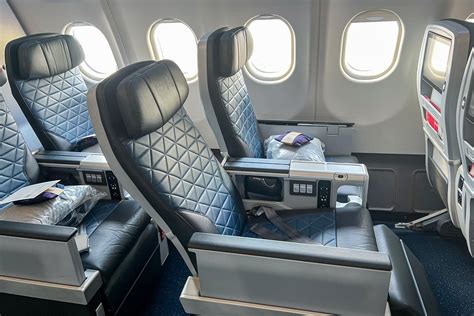
The Quiet Transformation of Airline Cabins
A glance inside today’s newest widebody aircraft reveals how dramatically cabin structures have evolved. First class cabins, once the defining symbol of aviation luxury, are shrinking or disappearing entirely on many aircraft types.
Business class, meanwhile, has evolved into an ultra-premium experience with private suites, sliding doors, and fully flat beds.
Premium Economy now occupies the strategic middle ground between these extremes. It delivers meaningful comfort improvements while maintaining pricing that appeals to a broad segment of travelers.
This balance explains why airlines increasingly treat the cabin as a permanent fixture of fleet design rather than an experimental upgrade.
The transformation happened quietly, almost invisibly. Yet the impact on airline economics and passenger expectations has been profound.
Premium Economy is no longer the industry’s hidden experiment.
It has become one of the most reliable revenue engines in modern aviation—and one of the most influential innovations to reshape how the world flies.