Air travel stands as one of the most secure modes of transportation in modern history. While millions board flights every day, the question persists: What is the safest plane to fly? With no room for speculation, this article evaluates safety records, technical designs, and operating standards of the world’s top aircraft and airlines. By analyzing historical data, engineering reliability, and operational practices, we uncover the best choices for secure air travel.
Understanding Aircraft Safety Through Real-World Performance
The aviation industry is governed by rigorous safety regulations, continuous engineering innovation, and highly standardized pilot training. This collective ecosystem ensures aircraft meet uncompromising performance criteria. However, certain models consistently outperform others in real-world safety data.
Among thousands of aircraft models in commercial rotation, only a select few have maintained zero fatal crash records, earning their place as aeronautical benchmarks in passenger safety.
Boeing 717: Compact Yet Impeccable
The Boeing 717, though no longer in production since 2006, maintains a flawless safety record. This twin-engine, 134-seat airliner was designed for short- to medium-haul operations. Its reliability and simplicity—combined with robust redundancy systems—have cemented it as one of the most trustworthy aircraft ever built.
Airbus A340: A Long-Haul Legend
Introduced in 1993, the Airbus A340 redefined long-haul flight standards. With over 2.5 million completed flights and more than 600 million passengers safely transported, it remains free of fatal accidents. Its four-engine configuration, considered outdated in today’s fuel-conscious market, ironically enhances its appeal from a safety perspective by providing greater engine-out reliability during extended overwater operations.

Boeing 787 Dreamliner: Next-Gen Safety
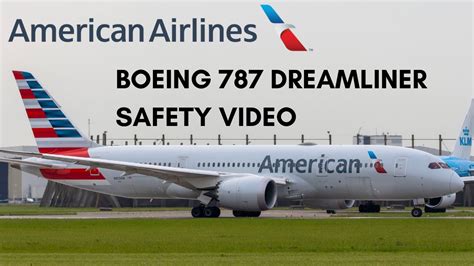
The Boeing 787 Dreamliner utilizes composite materials and advanced avionics, setting the gold standard for safety among new-generation aircraft. Since its commercial introduction, there have been no fatal accidents. It features:
- Fly-by-wire systems
- Multiple flight envelope protections
- Automated system monitoring and fault tolerance
These make the 787 a leader in both fuel efficiency and flight integrity.
The Safest Wide-Body and Superjumbo Aircraft
Boeing 747-8
The final iteration of the iconic jumbo, the Boeing 747-8, is the largest aircraft Boeing ever produced. While its predecessors had mixed records, the 747-8 has demonstrated superior safety and performance.
Airbus A380
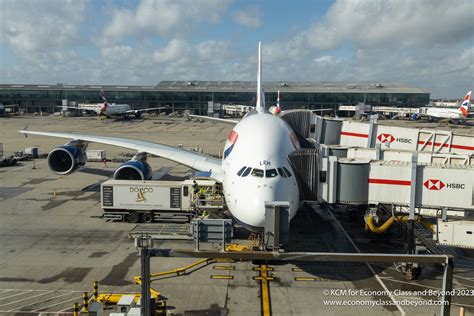
The Airbus A380, the largest passenger plane in history, remains accident-free. Its double-deck architecture, capable of seating up to 853 passengers, is paired with robust safety design. The aircraft’s size and complexity are managed with multiple layers of digital flight management and emergency descent features.
Regional Jet Safety: ERJ and CRJ Families
Embraer ERJ Series
In service since 1997, the Embraer ERJ regional jets have an exceptional safety reputation. With minimal hull loss incidents, they’re widely regarded as the safest aircraft in the 30–50 seat category. Their widespread use by regional carriers is a testament to engineering reliability and operational durability.
Bombardier CRJ Series (700/900/1000)
The CRJ family shares a similar safety pedigree. These aircraft have logged millions of safe flight hours without major midair malfunctions. Advanced control systems, smaller scale, and intensive operator training protocols have helped the CRJ maintain an impeccable operational track record.
Modern Airbus Innovations: A350 and A320neo
Airbus A350
This ultra-modern aircraft includes cutting-edge safety features such as Automated Emergency Descent and Flight Envelope Protection. Designed with fuel efficiency and long-range safety in mind, the A350 incorporates multiple systems that autonomously detect and respond to abnormal conditions.
Airbus A320/A321neo
With over 7.35 million flights and only a single hull loss (unrelated to airworthiness), the A320neo family remains a favorite among short- to medium-haul fleets. They include:
- Fuel-efficient engines
- Fly-by-wire controls
- Modern cockpit automation

World’s Safest Airlines (2025 Rankings)
Beyond aircraft design, airline safety relies heavily on maintenance discipline, crew training, and operational protocols. Here are the airlines that lead the world in safety standards:
Air New Zealand
Air New Zealand has earned the top spot due to its young, modern fleet and exemplary safety culture. The airline implements strict maintenance cycles, simulation-heavy pilot training, and comprehensive safety audits.
Qantas
A household name in aviation safety, Qantas boasts a fatality-free record in the jet era. Known for pioneering advanced flight data monitoring systems, Qantas remains a global benchmark.
Cathay Pacific
Operating from Hong Kong, Cathay Pacific prioritizes crew experience, in-flight procedural discipline, and fleet modernization. Its reputation for cautious flight planning and route vetting enhances its safety profile.
Emirates & Singapore Airlines
These two giants of Asia and the Middle East are renowned for their state-of-the-art aircraft and rigorous safety inspections. Both feature tech-intensive cockpits, young fleets, and proactive incident response teams.
Other Top Performers
- EVA Air – known for quiet operational excellence and fleet consistency
- Etihad Airways – continuously evolving safety programs
- Alaska Airlines – made headlines for resilient recovery and reform following the 2024 door malfunction
- Japan Airlines (JAL) – maintains stringent technical oversight
- Lufthansa – combines German engineering principles with a culture of safety innovation
Boeing vs. Airbus: Philosophies in Safety
Although both manufacturers adhere to global aviation standards, their design philosophies differ:
- Airbus prioritizes automation and limits pilot input to prevent human error.
- Boeing values manual pilot control, giving aviators greater authority over aircraft systems.
Both have produced aircraft with exceptional safety metrics, but each approach reflects unique risk mitigation strategies.
What Makes a Plane Truly Safe?
Aviation safety is determined by multiple overlapping systems:
- Redundancy: Multiple backup systems for hydraulics, avionics, and control.
- Material science: Composites and fatigue-resistant alloys improve structural integrity.
- Automation: Automated monitoring and safety corrections minimize pilot burden.
- Maintenance: Operator diligence in inspections, parts replacements, and service routines.
- Training: Simulator exposure and procedural drills prepare crews for anomalies.
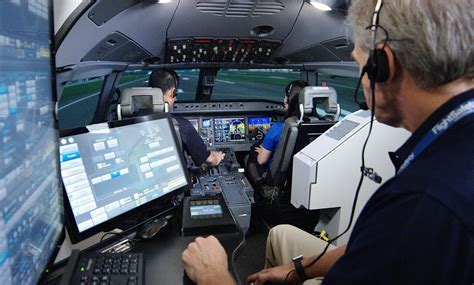
No single factor guarantees safety, but aircraft that integrate these principles at every level — from design blueprint to final checklist — are statistically more secure.
Conclusion: Choosing the Safest Flight Option
Whether selecting an aircraft for a transcontinental journey or a regional hop, understanding the aircraft model and airline safety record provides more control over personal risk. While Airbus A340, Boeing 717, and Boeing 787 offer flawless records, carriers like Air New Zealand and Qantas pair those designs with top-tier operational safety practices.
Flying remains statistically safer than driving, but by choosing proven aircraft models and the most reliable airlines, travelers can enhance that margin of security.
Frequently Asked Questions
What is the safest airplane to fly?
Among current commercial aircraft, the Airbus A340, Boeing 717, and Boeing 787 Dreamliner stand out with zero fatal accidents recorded in their operational histories.
Which airline is ranked as the world’s safest in 2025?
As of February 2025, Air New Zealand holds the top ranking globally for airline safety due to its comprehensive protocols, modern fleet, and exceptional training programs.
Are newer aircraft safer than older models?
In general, yes. Newer aircraft benefit from modern materials, automated systems, and updated safety features. However, maintenance and operator oversight remain equally crucial, even for modern jets.