Jetstar, the budget arm of Qantas, has long been a polarizing name in Australian aviation. Known for its competitive prices and widespread domestic network, it is often the first choice for cost-conscious travelers. Yet, it consistently garners mixed reviews about its reliability, baggage policies, and customer service. So, how reliable is Jetstar, really? In this article, we examine firsthand experiences, operational trends, and common pain points to assess Jetstar’s performance through a critical lens.
Jetstar’s Operational Track Record: Consistency Amid Criticism
Jetstar operates hundreds of flights daily across Australia and Asia-Pacific, making punctuality and consistency essential benchmarks. According to travelers, Jetstar’s on-time performance is a mixed bag. While many users report flawless experiences with timely departures and arrivals, there’s a significant cluster of reviews citing delays, cancellations, and minimal communication from staff during disruptions.
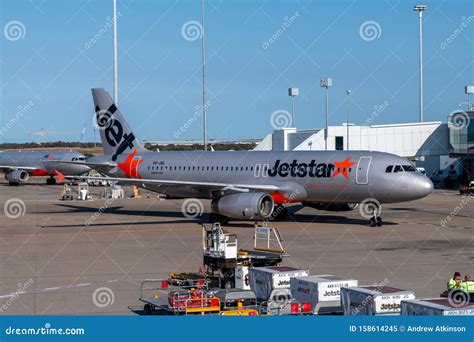
Passengers flying routes like Perth to Brisbane or Adelaide to Melbourne often describe Jetstar as dependable, particularly when flights are operated using newer A320neo aircraft. These aircraft have been praised for their comfort and quieter cabins. However, other travelers recount last-minute changes, including flight rescheduling up to a month prior to departure, forcing them to rebook at higher fares with other carriers.
The issue seems not to be systemic failure, but rather inconsistency. When Jetstar functions well, it performs as expected for a low-cost carrier. But when something goes wrong—be it mechanical issues, weather, or staffing shortages—the customer support mechanisms often fall short.
Baggage Policies: The Fine Print That Can Cost You
Jetstar is extremely particular about carry-on baggage. Their policy allows passengers a total of 7 kg across two pieces, usually a cabin bag and a smaller personal item such as a laptop bag. While this might sound generous, enforcement is unpredictable—and expensive if you’re caught unaware.
Multiple passengers confirm being asked to weigh both bags at the gate, often using mobile scales operated by staff. If your baggage exceeds the limit, you’re likely to be charged an on-the-spot fee of $65 or more. This is especially frustrating when overhead space is already constrained, leading many to board early to secure space.

The rule is strict, and while some routes (like short hauls in Victoria or South Australia) seem more relaxed, it’s unwise to gamble. Frequent travelers recommend pre-booking additional baggage online, which is significantly cheaper than gate prices.
Flight Disruptions: A Lottery of Experiences
Jetstar’s handling of flight delays and cancellations is arguably the most divisive aspect of its reputation. While some travelers breeze through without issue, others report being stranded due to last-minute cancellations, sometimes without timely notifications or clear alternatives. The airline’s digital tools, such as its mobile app and SMS alerts, appear underutilized during critical moments.
A typical scenario involves a cancellation justified by external factors—weather conditions or connecting flight misalignments. In several cases, customers were informed that their flights were rescheduled “to allow more time to clear customs,” even when the itinerary was designed by Jetstar. Often, the only alternative provided is a refund, which leaves passengers scrambling to book new flights at inflated prices.
Such incidents reflect not just an operational hiccup, but a broader lack of passenger-first contingency planning. The absence of on-the-ground support, poor communication, and no automatic rebooking or hotel arrangements intensify frustration.
Jetstar vs. Other Airlines: A Relative Perspective
In comparing Jetstar to competitors like Virgin Australia, Qantas, or Rex, the differences are nuanced. While Virgin and Qantas offer more inclusive fares (with baggage and meals), they are not immune to delays or poor service. Indeed, many passengers argue that Jetstar isn’t worse—it’s just more bare-bones.
The primary complaint across forums remains the same: when you pay less, you receive less support. And in moments of disruption, that support gap becomes glaring. Interestingly, a number of users describe Virgin as the least reliable in their experience, citing repeated delays and lack of baggage checks. Qantas, although historically trusted, has also seen its reputation erode in recent years.
Customer Service: Transactional and Sparse
Jetstar’s customer service experience is largely shaped by automated systems and limited human touchpoints. While the crew onboard are often described as professional and polite, ground services—especially during crises—are where the airline falters. Travelers have complained about being left to navigate rebookings alone, with no ground staff in sight post-disruption.
In cases of international travel, the stakes are even higher. Delayed or canceled international legs not only ruin trip itineraries but also incur huge financial penalties due to missed connections, hotels, or tours. Many users recount Jetstar’s inflexibility in accommodating alternate arrangements, even when the airline itself is at fault.
The Jetstar app is designed to streamline check-in and boarding, but its effectiveness as a real-time communications tool remains questionable. Passengers often discover changes through third-party alerts or only upon arrival at the airport.
Fleet and Infrastructure: New Planes, Limited Perks
Jetstar’s fleet primarily consists of Airbus A320s, with several upgraded A320neo aircraft for longer domestic routes. The newer planes offer better fuel efficiency and comfort, but they don’t come with any additional services unless pre-purchased. There are no complimentary snacks, entertainment, or checked luggage included in base fares.
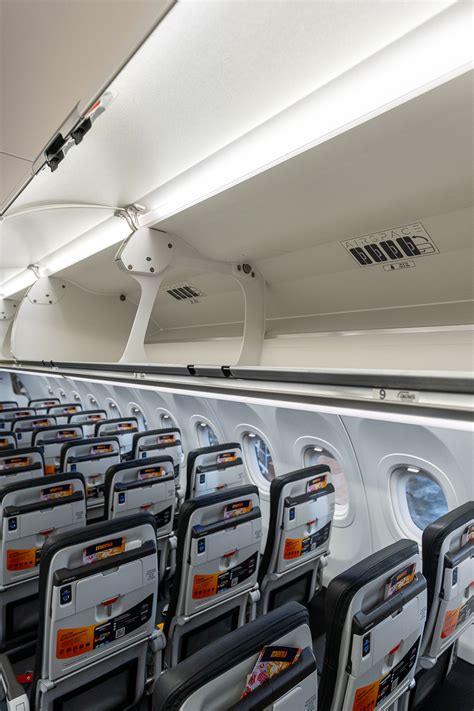
Seats are tight, with limited legroom, and you’ll pay extra for everything from seat selection to priority boarding. This minimalism is expected from a low-cost carrier, but passengers unfamiliar with the model often feel caught off guard.
Route Frequency: A Hidden Advantage
One advantage Jetstar offers is high flight frequency between major cities. On busy routes like Melbourne to Sydney or Perth to Brisbane, if a flight is canceled, there’s a better chance of being accommodated on another Jetstar service within hours. This redundancy, however, diminishes on regional or international routes, where options are limited and rebooking delays can stretch into days.
For domestic travel where multiple daily services exist, Jetstar’s reliability is inherently buffered by operational volume. But on single-service routes or international paths, any disruption can have cascading effects, leaving travelers without clear solutions.
So, Is Jetstar Reliable? It Depends.
The answer to Jetstar’s reliability is both contextual and conditional. For short-haul domestic flights, especially between major Australian hubs, Jetstar offers acceptable punctuality, competent crews, and modern aircraft—all at competitive rates. However, the low-cost model’s rigid structures mean that when issues arise, passengers are often left to fend for themselves.
Travelers who adhere strictly to baggage rules, book with a buffer in their itinerary, and temper expectations regarding service levels are likely to find Jetstar a cost-effective, no-frills option. Those expecting flexibility, luxurious perks, or responsive support during irregular operations may be sorely disappointed.
Ultimately, Jetstar is reliable enough—if you play by their rules. It’s a carrier built for efficiency, not indulgence. If your priority is price and your travel dates are flexible, Jetstar is a perfectly viable option. But if you need guarantees, concierge-like service, or time-sensitive precision, you may be better served elsewhere.