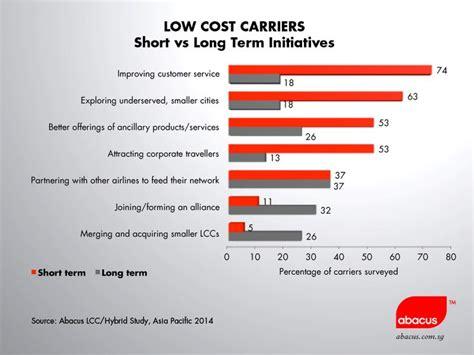
In the rapidly evolving world of commercial aviation, few topics stir more debate and polarization than the rise of low-cost carriers (LCCs). From their often-criticized lack of luxury to their game-changing impact on accessibility and pricing, these airlines have come to define a new era of air travel. Are they the saviors of affordable travel or symbols of a race to the bottom? The answer, as it often is, lies in the nuance.
The Genesis of Low-Cost Carriers: Disruption by Design
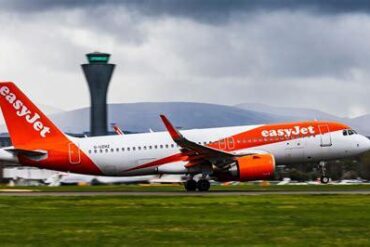
The LCC model took root in the United States with Southwest Airlines in the early 1970s. Its model was revolutionary: eliminate the frills, focus on high aircraft utilization, rapid turnaround times, and use secondary airports to minimize costs. The formula proved not only profitable but contagious. European and Asian markets soon saw the rise of equivalents such as Ryanair, easyJet, and AirAsia, each adopting and adapting the template to fit regional quirks.
LCCs were never meant to compete on luxury; they were meant to compete on access. The average airfare dropped dramatically with their proliferation, opening air travel to students, budget-conscious families, and first-time flyers who previously considered flying a rare luxury.

The Business Model: A La Carte Everything
What separates LCCs from legacy carriers isn’t just price — it’s philosophy. Legacy airlines bundle everything: a checked bag, meals, seat assignments, even lounge access in some cases. LCCs, by contrast, deconstruct the airfare into its smallest components, offering the base transportation at ultra-low rates and monetizing everything else.
Want a specific seat? That’s extra. Want to bring more than a personal item? Pay up. Hungry during your flight? Reach for your wallet. Critics argue this model is deceptive, turning a supposedly cheap ticket into a costly one after add-ons. Defenders counter that you pay only for what you use, a far fairer model in theory.
It’s this approach that allows LCCs to remain agile, keeping ticket prices low while generating robust profits from ancillary revenues. According to reports, some airlines generate over 40% of their income from non-ticket sources — a testament to the model’s financial success, if not its popularity.
Passenger Experience: Expectations Versus Reality
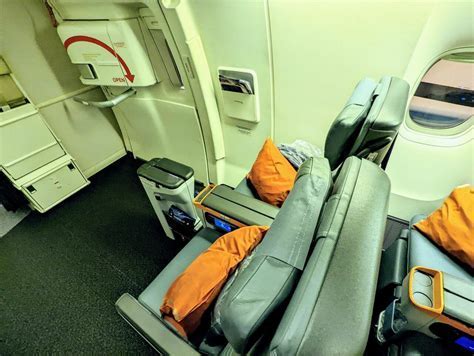
Let’s address the elephant in the cabin: flying with an LCC can feel like riding in a sardine can with wings. Seat pitch is tighter, recline is nonexistent, and in-flight entertainment is typically MIA. For many, especially on longer hauls, this feels like a dealbreaker.
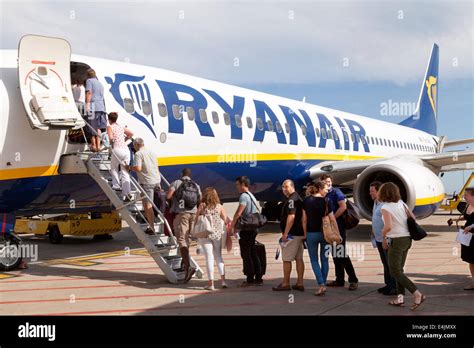
But not everyone sees it that way. Passengers who know the tradeoffs — and value price over polish — often walk away satisfied. A recent flight from Gothenburg to London Stansted on Ryanair is a case in point. The flight departed early, landed 30 minutes ahead of schedule, and cost significantly less than the British Airways equivalent. For a two-hour hop, the trade-off was more than acceptable.
Critics argue these positive experiences are exceptions. Proponents insist they are the norm — if you manage your expectations accordingly. In essence, you get what you pay for, but not less than that.
The Hate: Misplaced or Justified?
Low-cost carriers receive disproportionate criticism. From viral social media rants about surly crew to headlines about hidden fees, they’re often portrayed as the villains of aviation. But this sentiment often ignores the context in which LCCs operate.
Many complaints stem not from the service itself but from misaligned expectations. Passengers anticipating full-service perks on a $20 ticket are bound to be disappointed. Others fault LCCs for crowding the skies and “lowering the class” of air travel — a critique steeped more in elitism than economics.
Yet it’s fair to say LCCs are not without flaws. Their customer service policies can be rigid and punitive, especially when things go wrong. Miss a flight due to a minor delay in check-in? Tough luck. Need to change your itinerary? Prepare for exorbitant fees. And when mass cancellations hit due to operational bottlenecks or weather, LCCs often lack the redundancy networks legacy carriers use to rebook passengers.
A Democratizing Force: Making the Skies Accessible
Perhaps the greatest legacy of low-cost carriers is the democratization of air travel. Millions of people who previously relied on overnight buses, trains, or didn’t travel at all, now hop across countries and continents.
One commenter highlighted how their student son was exploring Europe for a summer on $50 flights — something unimaginable two decades ago. Budget airlines have made weekend getaways, international internships, and cross-border families a viable lifestyle instead of an expensive luxury.
In doing so, they’ve also forced legacy airlines to stay competitive, often offering basic economy tiers to match LCC prices. The consumer wins, regardless of which airline they choose.

Environmental and Operational Tradeoffs
One of the lesser-discussed elements of LCCs is their environmental impact. On the one hand, they operate newer, fuel-efficient aircraft, and their high load factors mean fewer emissions per passenger. On the other, their rock-bottom fares encourage more frequent, often non-essential travel, contributing to aviation’s carbon footprint.
Operationally, LCCs boast impressive metrics: rapid turnaround times, tight schedules, and simplified fleets (often just one aircraft type) that allow for streamlined maintenance. This efficiency is part of their DNA and a key reason they often outperform traditional airlines in punctuality.
The Verdict: Overhated More Than Overrated
Low-cost carriers aren’t perfect. They sacrifice comfort for affordability, and their service policies are often unforgiving. But to label them overrated is to ignore the profound transformation they’ve brought to global travel.
From breaking legacy monopolies and slashing fares, to opening the skies to new demographics, LCCs have earned their place not just as disruptors, but as essential players in the modern aviation ecosystem. If anything, the criticisms they receive are less about their actual service and more about the misunderstandings of what they’re designed to do.
In truth, low-cost carriers are neither evil nor saviors. They are tools — valuable, imperfect, necessary tools — that allow travelers to make cost-conscious decisions with clarity. Love them or loathe them, they’re here to stay.
Final Thoughts: Know Before You Fly
The key to a satisfying experience on an LCC is informed consent. Know the trade-offs, read the fine print, and travel accordingly. For short-haul trips, budget carriers often deliver exactly what they promise: a fast, no-frills, cost-effective ride from Point A to Point B.
For travelers seeking full-service, loyalty points, and premium cabin serenity, traditional airlines remain the better choice. But for the masses looking to stretch every dollar, low-cost carriers offer liberation, not limitation.
Their impact is undeniable. Their faults, while real, are often exaggerated or misunderstood. Low-cost carriers are, without a doubt, more overhated than overrated.