America’s low-cost airline sector is mounting a coordinated push for federal assistance as soaring fuel costs threaten to destabilize some of the country’s most price-sensitive carriers. A coalition of US budget airlines is seeking $2.5 billion in government relief, arguing that extreme jet fuel prices are placing unsustainable pressure on an industry built around thin margins, cheap fares, and relentless cost discipline.
The request comes at a volatile moment for aviation markets. Fuel remains one of the largest expenses for any airline, but it is particularly punishing for ultra-low-cost and low-cost carriers that depend on selling inexpensive base fares while generating additional income through baggage fees, seat selection, and onboard extras. When fuel rises sharply, the model can break down with alarming speed.
According to reports, airlines including Avelo Airlines and Frontier Airlines are among those involved in discussions with federal officials. The proposal reportedly includes financial support in exchange for warrants that could later convert into equity stakes, giving the government potential upside if the airlines recover.
By structuring the package this way, carriers appear to be presenting the plan not as a simple bailout, but as an emergency liquidity bridge that could also benefit taxpayers if market conditions improve.
Why Fuel Prices Hit Budget Airlines Hardest
Low-cost carriers compete aggressively on price, often advertising fares far below those offered by larger network airlines. That pricing power attracts travelers, especially during periods of economic uncertainty, but it also leaves little room for sudden cost shocks.
Legacy airlines typically have broader revenue streams, premium cabins, corporate contracts, international networks, and loyalty programs that generate billions annually. Budget airlines have fewer cushions. When kerosene prices spike, they must either raise fares, cut routes, or absorb losses.
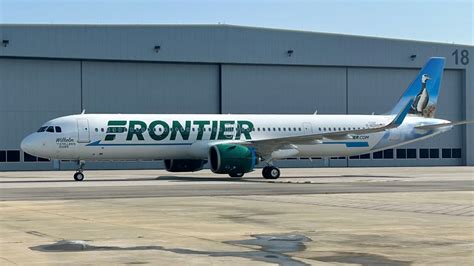
For travelers, low fares can create the impression that these carriers are highly profitable. In reality, many depend on volume and efficiency. Full aircraft, quick turnarounds, lean staffing models, and disciplined scheduling are critical. A prolonged fuel surge can undermine every one of those advantages.
Reports indicate the requested relief assumes jet fuel prices remain above $4 per gallon, a level that significantly alters route economics for carriers operating narrow margins.
High-Level Talks in Washington
The seriousness of the request is reflected in the level of officials involved. Airline chief executives reportedly began meetings in Washington last week, engaging with senior transportation leadership and Federal Aviation Administration officials.
Such meetings suggest the issue is being treated as more than a routine industry complaint. Budget airlines carry millions of domestic passengers annually and serve many leisure markets and secondary cities where competition is limited. If several carriers retrench at once, fares could rise and connectivity could weaken.
That prospect gives policymakers a difficult choice. Supporting airlines can preserve jobs, competition, and regional air access. Refusing aid may allow market forces to work naturally but risks sudden disruption across the travel sector.
The Shadow of Spirit Airlines
No airline better symbolizes the pressure facing the sector than Spirit Airlines. Long known for its bright yellow branding and ultra-low fares, Spirit has endured a turbulent financial period marked by restructuring challenges and mounting debt pressure.
Recent reports suggested the company’s recovery efforts had sharply deteriorated, with urgent financing needs becoming a central concern. Spirit reportedly sought emergency government assistance while carrying debt obligations exceeding $2 billion.
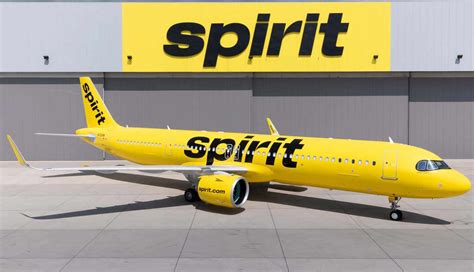
Speculation has even emerged around extraordinary rescue scenarios, including a heavily government-backed ownership stake tied to a potential aid package. Whether those outcomes materialize remains uncertain, but the mere discussion highlights how severe conditions have become.
Spirit’s troubles matter beyond one airline. If a major ultra-low-cost carrier struggles to remain viable, investors and regulators may view the rest of the sector through a more cautious lens.
What a Relief Package Could Mean
If approved, a $2.5 billion package would likely provide breathing room rather than solve deeper structural issues. Airlines could stabilize cash flow, maintain routes, preserve staffing, and avoid aggressive capacity cuts during the fuel shock.
Passengers might also benefit. Without support, airlines facing sudden cost spikes often respond by reducing schedules, eliminating marginal destinations, and increasing fees. Relief funds could slow that process and preserve competition on many domestic routes.
However, critics would almost certainly question whether public money should support private airlines, especially after previous rounds of aviation aid in past crises. Others may argue that inefficient operators should restructure rather than rely on taxpayer backing.
The political debate could become intense, particularly if oil prices remain elevated for months.
What Comes Next for US Aviation
The coming weeks may determine whether America’s budget airline segment emerges bruised but stable, or enters a new era of consolidation and retrenchment. Continued talks in Washington suggest no immediate decision is guaranteed, yet the urgency behind the request is unmistakable.
For travelers, this is about more than corporate balance sheets. Low-cost airlines have reshaped domestic travel by forcing fares lower and opening air service to millions who might otherwise drive or stay home. If several carriers weaken simultaneously, the ripple effects could reach airports, tourism markets, and household travel budgets nationwide.
The “Spirit Effect” now extends far beyond one carrier. It represents a warning that the low-fare model, so powerful in stable times, becomes acutely vulnerable when fuel markets turn hostile. Whether Washington intervenes or not, the economics of cheap flying in America are being tested in real time.