The allure of exploring new horizons, experiencing different cultures, or simply reuniting with loved ones no longer necessitates emptying your savings, thanks in large part to the transformative impact of low-cost airlines. As we look towards 2025, the landscape of budget air travel is more dynamic and competitive than ever, with carriers pushing boundaries in efficiency, network reach, and even passenger experience, all while striving to keep fares at rock bottom. These airlines have democratized air travel, making it accessible to millions who previously found it prohibitive. The best low-cost airlines are not merely about the cheapest ticket; they represent a sophisticated balancing act of operational excellence, strategic innovation, and a keen understanding of the modern, value-conscious traveler. Identifying the leaders in this space requires a nuanced look beyond the headline price, considering factors that contribute to a genuinely superior budget travel experience.
Navigating the myriad of options can be daunting, but discerning the truly exceptional from the merely adequate is key to unlocking maximum value. The world’s premier low-cost carriers in 2025 will be those that have mastered the art of providing reliable, extensive, and user-friendly services without the frills – or the exorbitant costs – of traditional full-service airlines. They understand that today’s traveler is savvy, demanding transparency and efficiency above all else. This comprehensive guide delves into the champions of affordable skies, examining who is set to lead the pack and why, offering you the insights needed to make informed choices for your budget-friendly adventures in 2025 and beyond. The evolution of this sector is relentless, with airlines constantly adapting to economic shifts, technological advancements, and evolving consumer expectations, ensuring that the quest for affordable travel remains an exciting one.

Decoding Excellence: What Defines a Top-Tier Low-Cost Carrier in 2025?
Defining the “best” low-cost airline in 2025 is not solely about finding the absolute lowest fare on a given day. While price competitiveness remains the cornerstone of the low-cost model, a truly leading budget carrier excels across a spectrum of crucial factors that collectively shape the passenger journey. Exceptional value is the overarching goal, a delicate interplay of cost, convenience, and quality. One of the primary differentiators is the extensive route network. Leading LCCs offer a wide array of destinations, connecting major hubs with secondary cities and popular leisure spots, providing travelers with genuine choice and accessibility. This often includes a mix of domestic and international routes, strategically chosen to maximize aircraft utilization and passenger demand. By 2025, expect to see these networks further optimized through data analytics, targeting underserved markets and popular emerging destinations with pinpoint accuracy.
On-time performance (OTP) is another critical metric. While delays can occur with any airline, the best low-cost carriers invest heavily in efficient ground operations, quick turnaround times, and modern, reliable fleets to minimize disruptions. Transparency regarding OTP and proactive communication during irregularities significantly contribute to customer satisfaction. Furthermore, customer service, often perceived as a weak point for budget airlines, is an area where top LCCs are increasingly distinguishing themselves. This doesn’t mean luxury service, but rather efficient, courteous, and helpful interactions, from the booking process to the cabin crew and ground staff. Clear communication regarding policies, especially baggage allowances and ancillary fees, is paramount. The leading airlines in 2025 will be those that make these charges transparent and easy to understand, avoiding the ‘gotcha’ moments that frustrate travelers. The in-flight experience, though typically no-frills, must meet a baseline of cleanliness and comfort. Modern fleets with ergonomically designed slimline seats, coupled with a well-curated selection of buy-on-board food and beverages, can make a significant difference. An unwavering commitment to safety is, of course, non-negotiable and forms the bedrock of any reputable airline’s operations. Finally, the digital experience, encompassing website usability, mobile app functionality, and ease of booking and managing reservations, plays an increasingly vital role in overall passenger satisfaction for the tech-savvy 2025 traveler.
Global Titans of Thrifty Skies: Leading Low-Cost Airlines for 2025
The global stage for low-cost air travel is fiercely contested, with several established players and ambitious challengers vying for supremacy. As we project into 2025, a few names consistently rise to the top, demonstrating robust business models, expansive reach, and a strong focus on delivering value to their passengers. These airlines have not only weathered economic storms but have often emerged stronger, continually refining their offerings to meet the demands of budget-conscious flyers worldwide.
Southwest Airlines: The American Pioneer of People-First, Low-Fare Flying
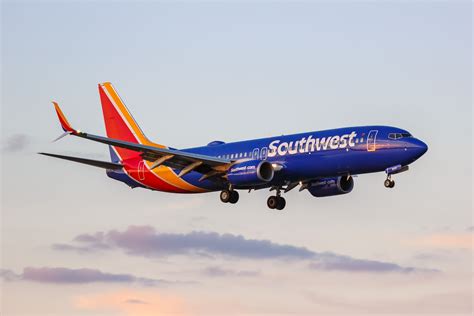
Southwest Airlines has long been a trailblazer in the low-cost sector, and its influence on the industry is undeniable. By 2025, Southwest is anticipated to maintain its strong position in the North American market, particularly within the United States, thanks to its unique operational model and customer-centric policies. Known for its “Transfarency” approach, which includes two free checked bags, no change fees (though fare differences may apply), and a friendly, often humorous, service style, Southwest has cultivated a loyal customer base. Its point-to-point route network, rather than a traditional hub-and-spoke system, allows for efficient operations and direct flights between a vast number of city pairs. The airline exclusively operates Boeing 737 aircraft, streamlining maintenance and crew training, a classic LCC strategy. For 2025, expect Southwest to continue its expansion into new markets, including leisure destinations in Mexico, Central America, and the Caribbean, while further enhancing its digital tools for a smoother customer experience. Their focus on employee satisfaction, famously stating “Our employees come first. If you treat your employees right, they will treat your customers right,” continues to be a cornerstone of their enduring success and high customer satisfaction ratings among low-cost carriers.
Ryanair: Europe’s Ultra-Low-Cost Behemoth Redefining Budget Travel
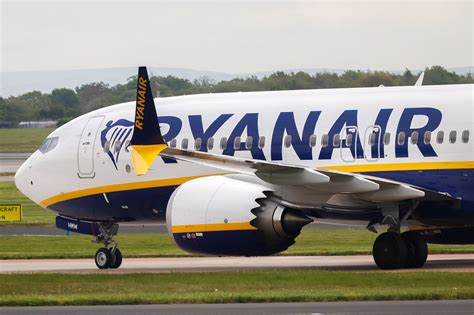
When it comes to ultra-low-cost travel in Europe, Ryanair remains an indomitable force. The Irish airline has built its empire on a relentless pursuit of cost efficiency, translating into some of the lowest average fares in the industry. By 2025, Ryanair’s extensive network is projected to connect even more European cities, utilizing secondary airports to keep landing fees and operational costs down. While often controversial for its stringent adherence to ancillary fee policies, Ryanair’s transparency about these charges means savvy travelers can still secure incredibly cheap flights. The airline has made significant strides in improving its customer service image in recent years with its “Always Getting Better” program, focusing on punctuality, a more user-friendly website, and slightly relaxed cabin bag policies. Operating a young and fuel-efficient fleet, primarily Boeing 737s including the new “Gamechanger” 737 MAX aircraft, Ryanair is also making efforts towards greater environmental sustainability within the LCC model. For travelers whose primary concern is the absolute lowest price and who are adept at navigating baggage rules, Ryanair will undoubtedly remain a top choice for European budget travel in 2025, offering unparalleled access to a vast array of destinations.
easyJet: Smart, Affordable European Journeys with a Touch of Orange
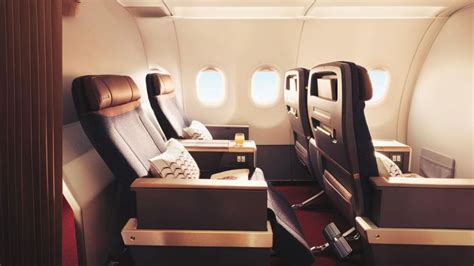
Positioned as a slightly more customer-friendly alternative to some ultra-low-cost carriers in Europe, easyJet continues to be a dominant player, particularly appealing to those seeking a balance between low fares and a more straightforward travel experience. Headquartered in the UK, easyJet operates an extensive network across primary European airports, making it a convenient option for both leisure and business travelers on a budget. By 2025, easyJet is expected to further consolidate its position through strategic route expansion and continued investment in its modern Airbus A320 family fleet. The airline has focused on digital innovation, with a highly-rated mobile app that simplifies booking, check-in, and provides real-time flight updates. While ancillary fees for checked baggage and seat selection apply, easyJet’s pricing structure is generally perceived as transparent. Their customer service is often rated higher than some of its direct LCC competitors, and they have made notable commitments to sustainability, including offsetting carbon emissions from all flights and investing in future hybrid-electric aircraft technology. For travelers looking for reliable, affordable flights to major European cities with a generally less stressful experience, easyJet will remain a compelling option in 2025.
AirAsia Group: Connecting Asia and Beyond with Unbeatable Value
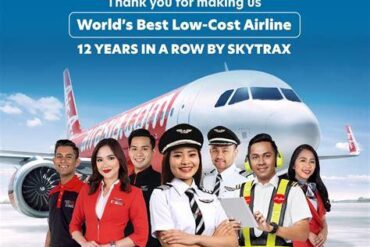
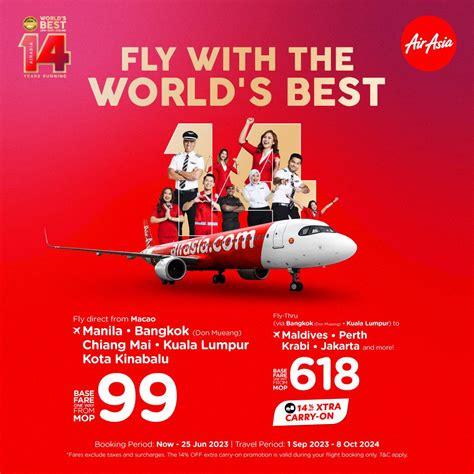
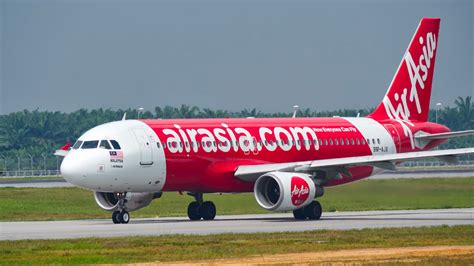
AirAsia has revolutionized air travel across Asia and has firmly established itself as one of the world’s leading low-cost airline groups. With its catchy slogan “Now Everyone Can Fly,” AirAsia has made air travel accessible to millions in Southeast Asia and beyond, boasting an extensive network that covers over 150 destinations. By 2025, the AirAsia Group, including its various affiliates like AirAsia X for long-haul, is poised for further growth, capitalizing on the burgeoning travel demand within the Asia-Pacific region. Key to its success are its operational efficiency, innovative use of technology, and a strong brand identity. AirAsia has been a pioneer in digital transformation, offering a comprehensive super-app that includes flights, hotels, and lifestyle deals. The airline is known for its aggressive pricing strategies and frequent promotional fares, making it a go-to for budget-conscious travelers. While the base fares are low, passengers should be mindful of add-on costs for baggage, meals, and seat selection. The group’s commitment to expanding its route map, particularly connecting smaller cities and tourist hotspots, ensures its continued relevance and dominance in the Asian low-cost market for 2025.
IndiGo: India’s Dominant Low-Cost Force Setting New Standards
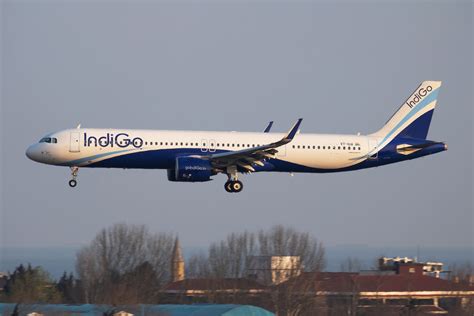
In the rapidly expanding Indian aviation market, IndiGo has emerged as the undisputed leader, commanding a significant market share with its focus on punctuality, affordability, and a hassle-free travel experience. By 2025, IndiGo is expected to further strengthen its domestic dominance while aggressively expanding its international network, connecting India to more destinations in Asia, the Middle East, and potentially Europe. The airline operates a large and modern fleet primarily composed of Airbus A320neo and A321neo aircraft, contributing to fuel efficiency and lower operational costs. IndiGo is renowned for its remarkable on-time performance, a key differentiator in the often-congested Indian skies. Their customer service is generally regarded as efficient and professional, and their in-flight service, while no-frills, is consistent. The airline’s straightforward pricing and clear communication regarding ancillary services have earned it a loyal following. As India’s middle class continues to grow and the demand for air travel soars, IndiGo’s robust operational model and commitment to affordable mass transit position it as a key player not just in India, but on the global low-cost stage for 2025.
Emerging Stars and Regional Champions in Budget Aviation
Beyond the global giants, a host of dynamic and innovative low-cost carriers are making significant waves in specific regions or carving out unique niches within the budget travel sector. These airlines often bring fresh perspectives, cater to specific market demands, and provide valuable competition, pushing the entire industry forward. As we look to 2025, several of these emerging stars and regional champions are worth watching for their growth potential and service quality.
JetBlue Airways: Blurring the Lines with Enhanced Low-Cost Comfort
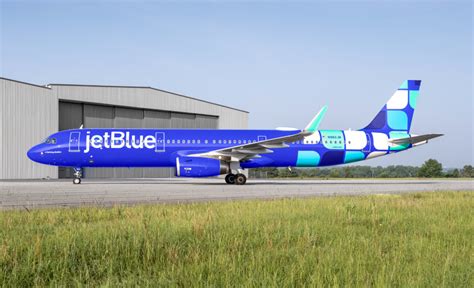
Often described as a hybrid carrier, JetBlue Airways has successfully carved out a niche in the North American market by offering more amenities than typical LCCs while maintaining competitive fares. Known for its comfortable leather seats, ample legroom (even in standard economy), free Wi-Fi, and complimentary snacks and drinks, JetBlue provides a significantly upgraded passenger experience. By 2025, JetBlue is expected to continue its strategic expansion, including its burgeoning transatlantic services to Europe, challenging legacy carriers with its attractive “Mint” premium cabin and core economy offerings. While its base fares might sometimes be slightly higher than ultra-low-cost competitors, the included amenities often provide better overall value for many travelers. Their focus on customer service and a modern fleet of Airbus and Embraer aircraft contribute to its strong reputation. JetBlue’s model demonstrates that low cost doesn’t necessarily have to mean low comfort, a proposition that resonates strongly with a significant segment of the traveling public.
Wizz Air: Eastern Europe’s Ascendant Star with Ambitious Expansion
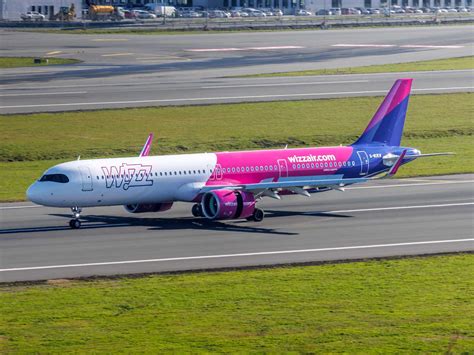
Wizz Air, headquartered in Hungary, has rapidly become a dominant force in Central and Eastern Europe, with an aggressive expansion strategy that is seeing it push into Western Europe, the Middle East, and beyond. Operating a young and fuel-efficient fleet of Airbus A320neo and A321neo aircraft, Wizz Air is known for its ultra-low fares and extensive network connecting a multitude of cities, often serving secondary airports to maintain cost advantages. By 2025, Wizz Air’s growth trajectory suggests it will be an even more significant player in the European low-cost landscape, potentially challenging established giants on more routes. The airline adheres strictly to the ultra-low-cost model, with charges for all non-essential extras, but its base fares are frequently among the lowest available. For travelers prioritizing cost above all else and flying to or from its core markets, Wizz Air offers compelling options. Its focus on new aircraft technology and operational efficiency underpins its ambitious growth plans for the coming years.
Scoot: Singapore’s Value Innovator for Medium and Long-Haul Adventures
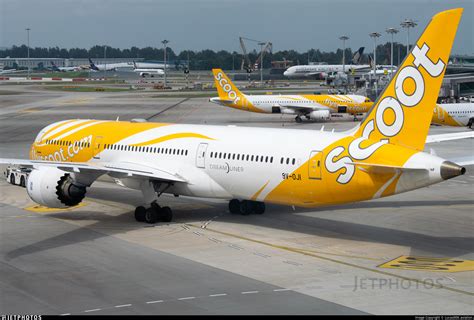
As the low-cost arm of Singapore Airlines, Scoot brings a unique proposition to the budget travel market, specializing in medium and long-haul routes across Asia, Australia, and into Europe. Operating a modern fleet of Boeing 787 Dreamliners and Airbus A320 family aircraft, Scoot offers a two-cabin service on its wide-body jets: Economy and ScootPlus, providing more legroom and other perks. This makes it an attractive option for budget-conscious travelers undertaking longer journeys who still desire a degree of comfort. By 2025, Scoot is expected to further leverage its affiliation with Singapore Airlines to expand its network and offer seamless connections. Known for its quirky branding and “Scootitude,” the airline aims to make low-cost travel fun and engaging. While it follows the typical LCC model of unbundling services, its Dreamliner fleet provides a more comfortable long-haul experience than many might associate with budget carriers. Scoot’s ability to offer affordable transcontinental travel positions it as a key innovator in the evolving low-cost long-haul segment.
The Evolving Landscape: Future Trends in Low-Cost Air Travel Post-2024
The low-cost airline sector is in a perpetual state of evolution, driven by technological advancements, shifting passenger expectations, and the overarching need for sustainability. Looking towards 2025 and beyond, several key trends are set to shape the future of budget air travel. Digitalization and personalization will become even more critical. Airlines will increasingly leverage AI and machine learning to optimize pricing, personalize offers, and streamline the customer journey from booking to arrival. Expect more sophisticated mobile apps, biometric boarding processes, and AI-powered customer service chatbots to enhance efficiency and convenience. Passengers will demand greater control and customization over their travel experience, and LCCs will need to offer flexible add-on options that cater to individual needs without compromising their core low-cost model.
Sustainability is no longer a niche concern but a central challenge and opportunity for the entire aviation industry, including LCCs. By 2025, there will be heightened pressure on budget carriers to reduce their environmental footprint. This will involve continued investment in new, fuel-efficient aircraft, the exploration and adoption of Sustainable Aviation Fuels (SAF), optimization of flight routes to reduce emissions, and initiatives to minimize waste onboard and in ground operations. Airlines that proactively address sustainability will not only meet regulatory requirements but also appeal to an increasingly environmentally conscious traveler base. Furthermore, the low-cost long-haul model will continue to be tested and refined. While some ventures have struggled, others, like Scoot, are demonstrating viability. Success in this segment will depend on utilizing highly efficient new-generation wide-body aircraft, carefully selecting routes, and managing costs with extreme discipline. The passenger experience on these longer flights will also be a key differentiator, with airlines needing to balance cost-saving measures with the need for acceptable comfort levels on journeys lasting several hours. The economic climate will, as always, play a significant role, potentially driving more travelers towards value-oriented LCCs, further fueling their growth and innovation.
Mastering the Art of Budget Flying: Tips for a Seamless Low-Cost Journey
Traveling with low-cost airlines can be an incredibly rewarding way to see the world without breaking the bank, but it requires a degree of savviness and preparation. To ensure your budget travel experience in 2025 is smooth and cost-effective, keep these essential tips in mind. Firstly, read the fine print meticulously. This is perhaps the single most important piece of advice. Low-cost carriers make their money on ancillary services, so understand the airline’s specific rules and fees for checked baggage, carry-on luggage (size and weight restrictions can be very strict), seat selection, priority boarding, and printing boarding passes at the airport. Surprises at the gate can be costly. Secondly, book in advance for the best deals, especially if your travel dates are fixed. However, also keep an eye out for flash sales and promotional offers, which LCCs frequently run. Conversely, if you have extreme flexibility, sometimes very last-minute deals can appear, though this is less predictable.
Travel light is the golden rule of low-cost flying. If you can manage with just a carry-on bag that fits the airline’s sizer, you’ll save a significant amount on baggage fees. Invest in a good quality, regulation-sized cabin bag and master the art of packing efficiently. Be flexible with your travel dates and times. Flying mid-week or during off-peak hours often yields much lower fares. Similarly, consider flying into or out of secondary airports if they are well-connected to your final destination, as these often feature lower LCC fares. Manage your expectations realistically. You’re not paying for a premium, full-service experience. Expect a basic seat, limited frills, and to pay extra for most amenities. If you go in with this understanding, you’re more likely to appreciate the value you’re receiving. Finally, check in online and print your boarding pass at home or save it to your mobile device. Many LCCs charge a hefty fee for airport check-in. By following these guidelines, you can navigate the world of low-cost air travel like a pro, maximizing savings and minimizing stress on your 2025 adventures.

Conclusion: Your Smartest Ticket to the World in 2025
The landscape of low-cost air travel in 2025 promises to be more vibrant and competitive than ever before, offering unprecedented opportunities for savvy travelers to explore the globe affordably. The world’s best low-cost airlines are not just about cheap seats; they are sophisticated operations that have mastered the art of efficiency, network planning, and increasingly, customer satisfaction within a budget framework. From the people-centric approach of Southwest in the US, the ultra-low-cost might of Ryanair and the balanced value of easyJet in Europe, to the expansive reach of AirAsia in Asia and the punctuality champion IndiGo in India, these carriers, along with innovative players like JetBlue, Wizz Air, and Scoot, are continually redefining what it means to fly on a budget.
As technology advances and sustainability becomes an even greater focus, these airlines will continue to innovate, seeking new ways to deliver value while minimizing their environmental impact. For the passenger, this means more choices, better connectivity, and the enduring appeal of accessible air travel. By understanding the nuances of the low-cost model, diligently researching your options, and preparing adequately for your journey, you can unlock incredible travel experiences in 2025. The best low-cost airline for you will ultimately depend on your specific needs, destination, and tolerance for no-frills travel, but one thing is certain: the era of affordable global exploration is well and truly airborne, and these carriers are your smartest ticket to it.