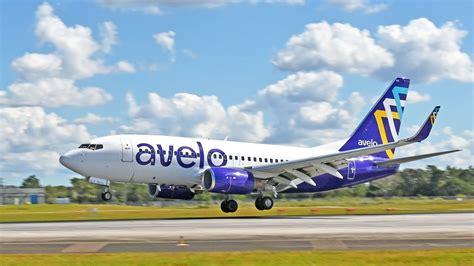
Avelo Airlines has rapidly carved out a distinctive niche in the competitive American aviation landscape. Headquartered in Houston, Texas, this ultra-low-cost carrier (ULCC) has embarked on an ambitious journey, transforming from a long-standing charter operator into a scheduled airline focused on underserved routes and secondary airports. Led by industry veteran Andrew Levy, Avelo aims to make air travel more accessible and affordable, emphasizing a straightforward, no-frills experience. Its story is one of evolution, strategic pivots, and a clear vision for connecting communities with convenient, non-stop flights, though its recent foray into government contracts has sparked considerable debate.
The Early Days: Casino Express Airlines
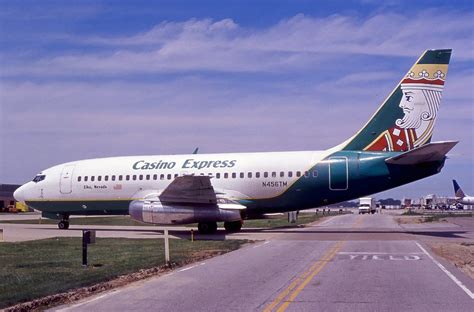
The origins of Avelo Airlines trace back to July 20, 1987, with the establishment of Casino Express Airlines. Commencing operations in 1989, the airline initially served a very specific purpose: to fly passengers exclusively for the Red Lion Hotel and Casino in Elko, Nevada. Utilizing a fleet of Boeing 737-200 jetliners, Casino Express became a vital link, transporting patrons from various U.S. cities directly to the Elko Regional Airport. This focused approach allowed the airline to build operational expertise in a specialized charter market. By 1994, Casino Express had expanded its offerings slightly, operating scheduled, weekend-only non-stop flights between Elko (EKO) and key Pacific Northwest cities like Portland, Oregon (PDX), and Seattle (SEA), deploying McDonnell Douglas MD-80 jetliners for these routes. This marked an early, albeit limited, foray into scheduled passenger services. For a brief period in 1999, Casino Express Airlines also played a role in supporting another aviation venture, operating one Boeing 737-200 jetliner for the start-up airline Tahoe Air. Tahoe Air aimed to connect South Lake Tahoe Airport with major California hubs, offering non-stop flights to Los Angeles International Airport and San Jose International Airport, leveraging Casino Express’s operational capabilities.
Transformation into Xtra Airways: Broadening Horizons
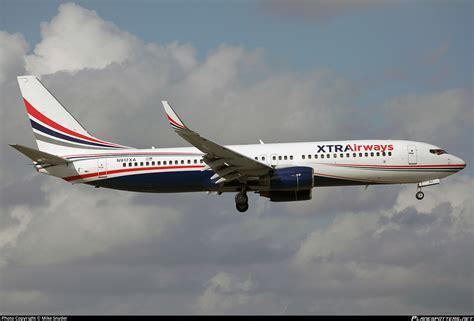
Recognizing the potential beyond its initial casino-centric operations, Casino Express Airlines began to diversify its client base. The airline found new opportunities catering to a wider range of charter needs, including transporting sports teams, government agencies, foreign dignitaries, and media press corps, alongside other gaming properties and various public and private charter requirements. This strategic shift necessitated a new identity that better reflected its expanded scope. On December 8, 2005, the company officially rebranded as Xtra Airways. This name change signified a move away from its niche beginnings towards a more versatile charter operation. Between 2007 and 2012, Xtra Airways dedicated two of its Boeing 737-400 aircraft to fly for Direct Air, an airline business based in Myrtle Beach, South Carolina, further demonstrating its capacity to support other airline operations. A significant visual update occurred in 2015 when Xtra Airways adopted a new aircraft livery, opting for an executive jet style featuring distinguished flag blue and red stripes, projecting a more corporate and upscale image for its charter services. This period also saw Xtra Airways involved in high-profile charter operations. In September 2016, one of its Boeing 737-800 aircraft (registration N881XA) was repainted in a striking sky-blue and white livery emblazoned with the “Stronger Together” slogan, serving as a campaign aircraft for Hillary Clinton’s 2016 presidential bid. Shortly thereafter, a second aircraft, a Boeing 737-400 (N314XA), was also chartered by the campaign, featuring a sky-blue stripe and “Clinton/Kaine” titles, underscoring Xtra Airways’ capability to handle demanding and prominent charter contracts.
The Dawn of Avelo: Andrew Levy’s Vision for a New ULCC
The next major transformation for the airline began in August 2018 when Andrew Levy, a seasoned airline executive with a formidable resume including roles as President of Allegiant Air and Chief Financial Officer of United Airlines, acquired Xtra Airways. Levy’s intention was clear: to reshape the established charter airline into a new ultra-low-cost carrier. At the time of the acquisition, Xtra Airways had divested most of its fleet to Swift Air. However, Levy strategically retained one Boeing 737-400. This crucial decision was made to ensure the airline kept its FAA Part 121 Regularly Scheduled Air Carrier certification active, a vital component for the planned transition to scheduled passenger services. By April 2019, the new leadership was already considering the Boeing 737-800 as the backbone of its future fleet, signaling a move towards more modern and fuel-efficient aircraft suitable for a ULCC model.
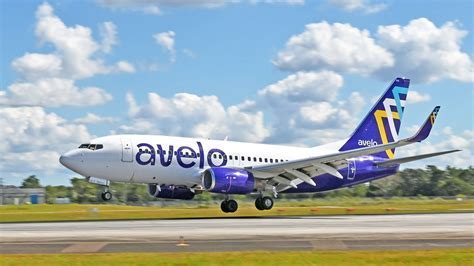
In February 2020, Levy announced the formation of Houston Air Holdings, Inc., the new holding company for Xtra, reflecting the company’s new headquarters in Houston, Texas. This announcement was coupled with significant financial backing, as the company successfully raised US$125 million in funding. This capital injection was instrumental in acquiring its first aircraft from GE Capital Aviation Services, positioning the airline to launch scheduled operations later that year, ahead of its original, more conservative timelines. The culmination of these efforts came on April 8, 2021, when the airline was officially unveiled to the public under its new brand: Avelo Airlines. Simultaneously, Avelo began selling tickets for its initial routes, all based at Hollywood Burbank Airport (BUR) in California. This marked a deliberate strategy to operate from smaller, more convenient airports, avoiding the congestion and higher costs often associated with major hubs. Avelo’s initial route network comprised eleven unserved destinations from Burbank, with flights progressively launching between April 28 and May 20, 2021. The airline commenced these operations with an initial fleet of three Boeing 737-800s, with plans to expand to six aircraft by the end of 2021. The airline’s highly anticipated inaugural flight took place on April 28, 2021, connecting its Burbank base with Charles M. Schulz–Sonoma County Airport (STS), a route emblematic of its strategy to link underserved city pairs.
Navigating Growth: Expansion, Bases, and Milestones
Avelo’s entry into the scheduled airline market did not go unnoticed. It prompted immediate competitive responses, particularly from established carriers. American Airlines reacted by upgauging its aircraft to a larger Airbus A319 on its existing route between Phoenix Sky Harbor and Burbank, while Alaska Airlines announced a new service directly competing with Avelo’s inaugural route between Burbank and Santa Rosa, scheduled to start on June 1, 2021. Despite these competitive pressures, Avelo pressed forward with its expansion plans, though not without adjustments. On July 7, 2021, the airline announced it would terminate its flights to Bozeman, Montana, and Grand Junction, Colorado, by the end of September, reflecting the dynamic nature of route planning for a new carrier. However, by July 29, 2021, Avelo also announced an expansion, adding five new destinations: Fort Collins, Colorado; Las Vegas, Nevada; Monterey, California; Provo, Utah; and St. George, Utah. It’s noteworthy that the planned services to Monterey, Provo, and St. George were later cancelled, illustrating the ongoing process of network optimization.
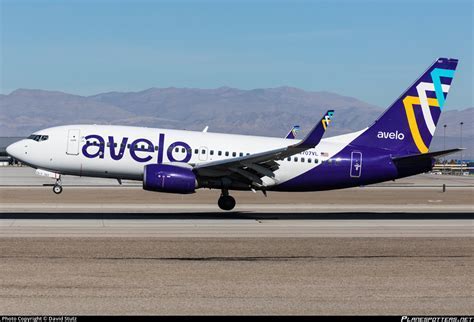
A pivotal moment in Avelo’s early growth was the announcement on May 6, 2021, of its intention to open a new East Coast base at Tweed New Haven Airport (HVN) in Connecticut during the third quarter of 2021. This was a significant strategic move, establishing a foothold on the opposite coast. Avelo pledged to invest US$1.2 million towards upgrading the facilities at Tweed New Haven, signaling a long-term commitment to the airport and the region. For its East Coast operations, the airline decided to utilize Boeing 737-700 aircraft. The specific details of the New Haven base operations were unveiled on August 19, 2021, with an initial slate of four non-stop routes to popular Florida destinations: Fort Lauderdale, Fort Myers, Orlando, and Tampa, all set to launch in November 2021. This base proved to be a cornerstone of Avelo’s strategy, and by the end of 2024, Avelo had dramatically expanded its service from New Haven to an impressive 26 destinations, making it the airline’s largest operational base.
Further bolstering its financial position, Avelo announced on January 6, 2022, that it had successfully raised an additional US$42 million in a second-round funding offering. This brought Avelo’s total invested capital base to over US$160 million, providing crucial resources for continued growth. On the labor front, April 14, 2022, marked a milestone as the Association of Flight Attendants (AFA-CWA) was certified as the exclusive representative for all of Avelo’s then 14 flight attendants, following a vote conducted by the National Mediation Board under the Railway Labor Act. Throughout the remainder of 2022, Avelo continued its expansion by establishing three more operating bases: Orlando International Airport (MCO) in April 2022, Wilmington Airport (ILG) in Delaware (New Castle Airport) in October 2022, and Raleigh–Durham International Airport (RDU) in November 2022. In September 2023, the airline added its sixth base at Las Vegas’s Harry Reid International Airport (LAS). However, this base was subsequently relocated to Charles M. Schulz–Sonoma County Airport (STS) in Santa Rosa, California, in May 2024, demonstrating Avelo’s flexibility in adapting its network strategy. A significant financial achievement was reached in the fourth quarter of 2023 when Avelo Airlines posted its first-ever profit, a testament to its growing operational efficiency and market acceptance.
Fleet Modernization and Ambitious Network Expansion
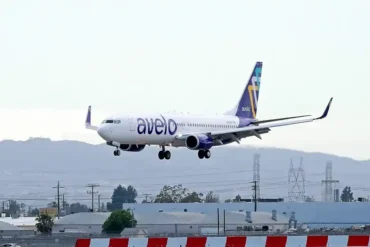
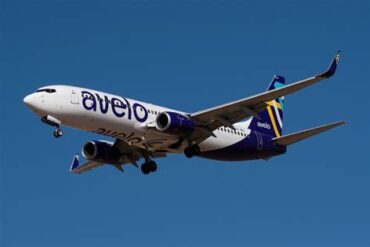
Avelo Airlines has maintained a lean and focused fleet strategy, centered exclusively on the Boeing 737 Next Generation family. This approach allows for operational efficiencies in terms of maintenance, crew training, and spare parts inventory. As of early 2025, Avelo’s fleet consists of a mix of Boeing 737-700s and Boeing 737-800s. The airline has been actively growing its fleet to support its expanding route network. In February 2024, Avelo announced plans to add five additional aircraft, all sourced from the bankrupt Brazilian airline GOL Linhas Aéreas. Later that year, further aircraft were acquired from Aerolineas Argentinas and Southwest Airlines, indicating a proactive approach to fleet expansion through the secondary aircraft market. This strategy allows Avelo to acquire aircraft more cost-effectively than purchasing new models directly from the manufacturer.
The summer of 2024 marked a period of particularly aggressive growth. In July, Avelo unveiled its biggest network expansion to date, announcing 18 new routes. This expansion also included the establishment of new operating bases at Hartford’s Bradley International Airport (BDL) in Connecticut and Lakeland Linder International Airport (LAL) in Florida. Perhaps most significantly, this expansion wave included Avelo’s first foray into international markets, with the launch of services to the Dominican Republic and Mexico. CEO Andrew Levy articulated the airline’s niche strategy, stating that Avelo had found success primarily by serving passengers traveling to visit friends and relatives (VFR) who are seeking convenient, non-stop flights, often to and from smaller, less congested airports. This focus on point-to-point service, bypassing major hubs, is a core tenet of the ULCC model and a key differentiator for Avelo. Further domestic expansion was announced in August 2024, with new routes from Santa Rosa to Ontario, California (ONT), and Salt Lake City, Utah (SLC).
Current Fleet Composition
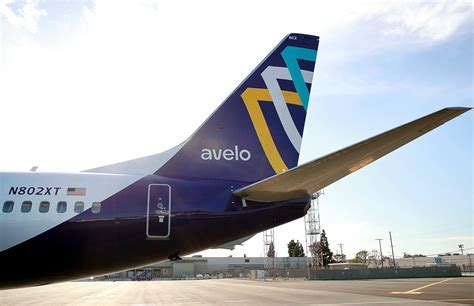
As of April 2025, the Avelo Airlines fleet comprises:
- Boeing 737-700: 8 aircraft, typically configured for 149 passengers.
- Boeing 737-800: 13 aircraft, typically configured for 189 passengers.
This brings the total active fleet to 21 aircraft, with ongoing efforts to acquire additional airframes to fuel further growth. The airline’s predecessors, Casino Express Airlines and Xtra Airways, operated a variety of aircraft over their histories, including the Boeing 737-200, Boeing 737-300, and Boeing 737-400.
The Avelo Passenger Experience: Ultra-Low-Cost Defined
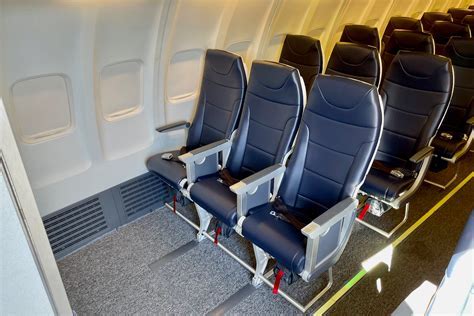
Avelo Airlines operates firmly within the ultra-low-cost carrier (ULCC) business model. This model is characterized by offering very low base fares, with charges for nearly all other services and amenities, often referred to as ancillary revenue. Passengers can expect to pay extra for services such as checked baggage, carry-on bags (beyond a small personal item), advance seat selection, priority boarding, and onboard refreshments. This unbundling of services allows Avelo to advertise headline-grabbing low fares while giving passengers the choice to pay only for the extras they value. A key component of Avelo’s strategy is its focus on operating from smaller, secondary airports. Examples include Hollywood Burbank (BUR) instead of Los Angeles (LAX), Tweed New Haven (HVN) as an alternative to larger New York or Boston airports, and Wilmington (ILG) serving the Philadelphia/Baltimore corridor. This approach offers several advantages: lower operating costs for the airline (landing fees, gate fees), often a less congested and quicker airport experience for passengers, and the ability to tap into underserved markets that larger carriers may overlook. The airline emphasizes non-stop, point-to-point routes, avoiding the complexity and potential for delays associated with hub-and-spoke networks. This simplifies operations and generally leads to shorter travel times for passengers on the routes Avelo serves. The onboard experience is typically no-frills, with a focus on safe, reliable transportation rather than extensive inflight entertainment or complimentary services. This aligns with the expectations of cost-conscious travelers who prioritize affordability.
Corporate Headquarters and Destinations
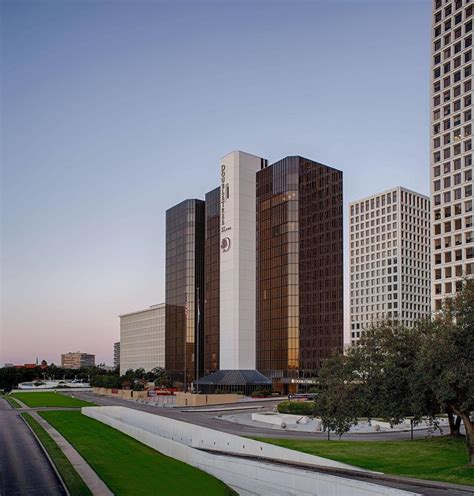
Avelo Airlines maintains its corporate headquarters at 12 Greenway Plaza in Houston, Texas. While its operational bases are spread across the country, the Houston headquarters serves as the central hub for its administrative and strategic functions. As of late 2024 and early 2025, Avelo Airlines operates an expanding network of domestic routes primarily concentrated on the East and West Coasts of the United States. Its strategy involves connecting major leisure and VFR destinations, often utilizing secondary airports to provide convenience and lower fares. Key bases include Hollywood Burbank (BUR) in California, Tweed New Haven (HVN) in Connecticut, Orlando International (MCO) in Florida, Raleigh/Durham (RDU) in North Carolina, Wilmington (ILG) in Delaware, Charles M. Schulz–Sonoma County Airport (STS) in California, Hartford (BDL) in Connecticut, and Lakeland (LAL) in Florida. The airline has also recently launched its first international services to destinations in the Dominican Republic and Mexico, signaling a new phase of network development.
Controversy: The ICE Deportation Contract
In a significant and controversial development, Avelo Airlines entered into an agreement in April 2025 for a long-term charter program with the U.S. Department of Homeland Security’s Immigration and Customs Enforcement (ICE) agency. According to company statements provided to 12News, these flights are intended to “support the department’s deportation efforts.” To facilitate this contract, Avelo announced the establishment of a new operational base at Phoenix-Mesa Gateway Airport (AZA) in Arizona, with these “removal” flights commencing on May 12, 2025. Concurrently with this announcement, Avelo revealed it was ceasing all service to and from Boise, Idaho, effective April 27, 2025. The three Boeing 737-800 aircraft previously serving the Boise market were reportedly repositioned to support the new ICE contract, covering both domestic and international deportation flights.
This decision has drawn considerable criticism and backlash. Justin Elicker, the mayor of New Haven, Connecticut, where Avelo operates its largest base, publicly voiced his concerns. Mayor Elicker signed a petition criticizing the agreement and personally contacted Avelo’s Chairman and CEO, Andrew Levy, urging him to reconsider the airline’s involvement in these deportation flights. The company is also facing widespread calls for a boycott from various advocacy groups and concerned individuals. Further criticism emerged from officials in California. Members of the Sonoma County Board of Supervisors expressed strong disapproval, particularly noting that Avelo would be shuttering its operations base at the Charles M. Schulz–Sonoma County Airport and reassigning employees to support the ICE contract. Board Chair Lynda Hopkins was quoted as saying, “They’ll never get another dime from me,” and criticized Avelo’s choice to participate in what she termed the “deportation industrial complex” rather than continuing to support the local tourist economy that the Sonoma County base was intended to foster. This development has cast a shadow over Avelo’s community-focused branding and presents a significant public relations challenge for the young airline.

The Future Trajectory of Avelo Airlines
Avelo Airlines stands at an interesting juncture. It has successfully transitioned from a charter operator to a scheduled ULCC, demonstrating rapid growth, a knack for identifying underserved markets, and an ability to secure significant investment. Its focus on secondary airports and non-stop VFR routes has resonated with a segment of the traveling public, allowing it to achieve profitability relatively quickly for a new airline. The continued expansion of its fleet and route network, including its initial steps into international markets, suggests ongoing ambition. However, the airline faces the inherent challenges of the highly competitive U.S. aviation market, where it competes against both legacy carriers and other LCCs/ULCCs. Maintaining cost discipline while expanding will be crucial. The recent ICE contract introduces a complex variable. While potentially lucrative, it has already generated significant negative publicity and could alienate a portion of its customer base, particularly in communities that have previously welcomed Avelo. The airline’s ability to navigate this controversy, manage its brand perception, and continue to deliver on its core value proposition of affordable, convenient travel will largely determine its long-term success. Avelo’s journey from Casino Express to a burgeoning ULCC is a compelling story of adaptation and ambition, and its next chapter will be closely watched by both the industry and the traveling public.