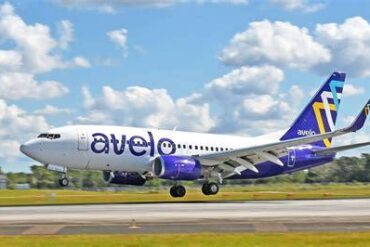
Avelo Airlines has redefined the landscape of low-cost air travel in the United States, emerging as a disruptive force that challenges traditional models through an audacious strategy: operating from smaller, often overlooked airports. With a mission to connect underserved communities and provide affordable travel, Avelo has rapidly become a key player in reshaping how Americans think about flying.
Unlike conventional low-cost carriers that compete head-to-head in crowded hubs, Avelo Airlines deliberately sidesteps the congested skies of major airports. Instead, it focuses on secondary airports and mid-sized cities, creating new demand rather than cannibalizing existing routes. This approach not only reduces operational costs but also allows the airline to build a loyal customer base in regions that have long been underserved by the aviation industry.
A Distinct Business Model Built on Underserved Markets
At the core of Avelo’s success story is a unique business model that positions it apart from other ultra-low-cost carriers (ULCCs). While adhering to the basic ULCC principle of offering minimal base fares with optional paid add-ons—such as seat selection, priority boarding, and checked luggage—Avelo goes further by targeting markets ignored by major airlines. Rather than fighting for market share in saturated hubs, Avelo identifies city pairs where nonstop service either never existed or was long abandoned, thus stimulating entirely new streams of passenger demand.
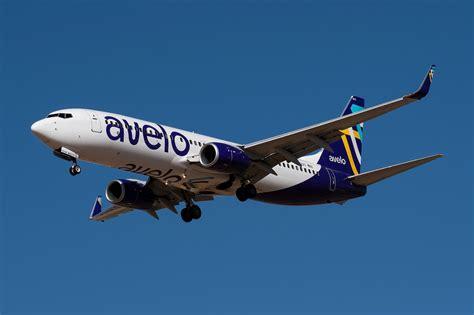
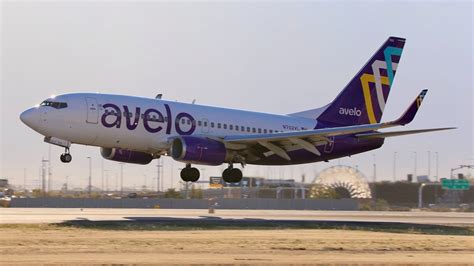
Operating primarily with Boeing 737-700 and 737-800 aircraft, Avelo’s fleet is ideally suited to its point-to-point network, focusing on leisure travelers seeking direct flights to vacation destinations. The 737-700 offers 149 seats, while the 737-800 can accommodate 189 passengers, both models providing flexibility and efficiency across Avelo’s expanding route map.
Strategic Network: Bases That Fuel Expansion
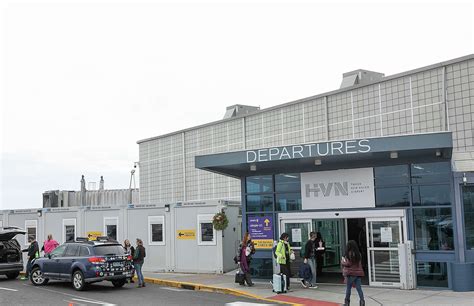
Avelo Airlines’ network of operational bases is a strategic masterstroke. Its first base at Hollywood Burbank Airport (BUR) marked the beginning of this bold vision. Today, Tweed New Haven Airport (HVN) in Connecticut serves as Avelo’s largest hub, offering nonstop service to over 26 destinations. The choice of HVN exemplifies Avelo’s strategy: leveraging smaller airports to open gateways into regions traditionally underserved by commercial aviation.
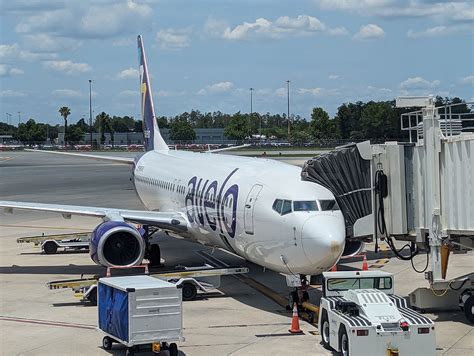
Additional bases at Orlando International (MCO), Raleigh/Durham (RDU), Wilmington, Delaware (ILG), Wilmington, North Carolina (ILM), and Mesa Gateway Airport (IWA) support a fast-growing network that spans more than 28 states and includes international routes to Mexico, Costa Rica, and the Dominican Republic. Seasonal operations from airports like Lakeland Linder International (LAL) further demonstrate Avelo’s flexibility and opportunistic approach.
The Cost Advantage of Avoiding Major Airports
By choosing to bypass major metropolitan hubs such as New York’s JFK, LaGuardia, or Newark airports, Avelo significantly reduces operational expenses. These major hubs are notorious for their slot constraints, high landing fees, and severe congestion. In contrast, smaller airports offer Avelo lower costs, fewer restrictions, and greater operational efficiency—key ingredients in maintaining its ultra-low-cost structure.
The economic rationale is clear. Operating out of secondary airports allows Avelo to avoid the intense competition that typically drives down fares and erodes profitability. Instead, it creates unique value propositions on routes where it often faces no direct competition. For instance, routes from Long Island MacArthur (ISP) to Charlotte or Wilmington, North Carolina, serve markets where no other airline offers nonstop service, granting Avelo a de facto monopoly on these corridors.
Navigating Competition and Sustaining Market Share
While Avelo’s strategy has largely insulated it from direct competition, market dynamics are shifting. A case in point is Tweed New Haven Airport, where Avelo once commanded a near-total monopoly. The arrival of Breeze Airways, with competing flights to popular destinations like Orlando and Fort Myers, has introduced new challenges. Nevertheless, Avelo remains committed to defending its market share through competitive pricing, high-frequency service, and a relentless focus on customer satisfaction.
Expansion and Future Outlook
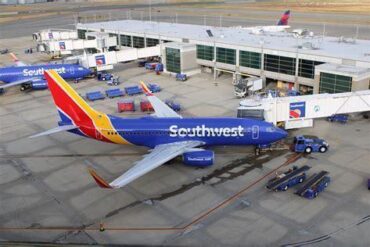
Avelo’s growth trajectory continues to impress. As of 2025, the airline has connected approximately 50 city pairs and is actively acquiring additional aircraft from both GOL Airlines of Brazil and Southwest Airlines to fuel further expansion. This fleet growth will enable Avelo to strengthen its presence in the Southeast U.S. and extend deeper into Latin America, broadening its footprint in international markets.
The airline’s innovative approach not only transforms travel options for passengers in smaller cities but also challenges the entrenched dominance of legacy carriers. As Avelo continues to identify and capitalize on underserved routes, its influence on the broader U.S. aviation sector is likely to grow stronger.
Conclusion: Redefining the Future of Low-Cost Travel
Avelo Airlines stands as a beacon of innovation in the U.S. aviation industry. By reimagining what low-cost air travel can look like, it has crafted a blueprint for success that other carriers may seek to emulate. Its focus on underserved markets, avoidance of costly major hubs, and commitment to affordability position it as a formidable force in shaping the future of domestic and regional air travel.
As Avelo moves forward, its continued emphasis on cost efficiency, strategic network expansion, and customer-centric service will be critical to sustaining its competitive advantage. In doing so, Avelo Airlines is not just disrupting the status quo—it is pioneering a new era of air travel across the United States.