The transatlantic aviation landscape is undergoing a profound realignment, and Iceland’s PLAY Airlines is at the center of this transformation. The ultra-low-cost carrier has announced it will cease all U.S. operations by October 2025, making it the latest international airline to abandon American routes in a trend that is reshaping global air travel dynamics. The decision is part of a broader restructuring strategy involving shareholder changes, a regulatory relocation to Malta, and a shift toward more profitable European markets and aircraft leasing models.
PLAY’s Strategic Exit from the U.S.
PLAY Airlines’ departure from the U.S. market is not a simple retreat—it’s a strategic reorientation. The Icelandic airline, once celebrated for making transatlantic travel accessible via low-cost connections between North America and Europe, has now officially announced the end of its three remaining U.S. routes:
- Stewart International Airport (SWF) – Ends September 1, 2025
- Boston Logan International Airport (BOS) – Ends September 15, 2025
- Baltimore/Washington International Airport (BWI) – Ends October 24, 2025
These closures come amid mounting financial pressure and a growing recognition that transatlantic long-haul routes have become economically unsustainable for many low-cost players. The decision reflects seasonal volatility, spiraling operating costs, and subdued demand from U.S. cities beyond the peak summer season.
A Widening Pattern of Withdrawal: PLAY Joins Global Retreat
PLAY is not alone. The airline joins a surprising list of major international carriers—Jetstar, Norse Atlantic, Air Canada, WestJet, Porter, and Flair—all scaling back or eliminating U.S. routes in recent months. This wave of exits points to a systemic issue rather than isolated corporate struggles.
- Jetstar, an Australian low-cost affiliate of Qantas, ended its Sydney–Honolulu service in April 2025 after nearly two decades.
- Norse Atlantic Airways has suspended numerous winter services from European cities like Berlin, Athens, and Paris to the U.S.
- Air Canada, WestJet, Porter, and Flair have collectively dropped services to cities such as Miami, San Francisco, and Washington, D.C., after a dramatic drop in cross-border demand—reportedly down 70%.
These cuts reflect a realignment of global aviation priorities, as carriers abandon high-risk, long-haul leisure routes in favor of shorter, more profitable connections and leasing opportunities.
Inside the PLAY Airlines Restructuring
The pullback from the U.S. is part of a much broader strategic and financial overhaul at PLAY Airlines. The changes are being spearheaded by CEO Einar Örn Ólafsson and Vice Chairman Elías Skúli Skúlason, who are leading a complete shareholder buyout. The offer values the airline at ISK 1 per share, and includes an option for current investors to either exit or remain with shares in a new, privately held company.
The restructuring plan includes a $20 million capital injection, one-third of which is already secured. The goal is to stabilize operations, improve margins, and transition the business toward sustainable profitability.

Moving to Malta: The Regulatory Advantage
Another central piece of the transformation involves relocating PLAY’s Air Operator Certificate (AOC) to Malta, a move that unlocks regulatory, tax, and labor advantages. While PLAY will maintain its Icelandic brand, aircraft livery, and local staff, its core operations and licensing will fall under Maltese aviation authorities.
This jurisdictional shift will allow PLAY to diversify its operations, particularly by expanding into ACMI leasing—where it provides aircraft, crew, maintenance, and insurance to other carriers.
Under the new plan:
- Four aircraft will stay based in Iceland for scheduled European routes.
- Six aircraft will be leased out globally via ACMI contracts.
- New operational offices will be developed in Malta and Lithuania.
The Collapse of U.S. Viability for Low-Cost Airlines
PLAY’s withdrawal from U.S. skies underscores the growing difficulty for low-cost carriers to operate transatlantic flights profitably. Despite attractive fares, the North Atlantic market is saturated, with fierce competition from both legacy and discount players. Regulatory complexities, airport fees, and narrow profit margins further erode viability.
Baltimore/Washington International (BWI), for example, has seen seven carriers exit in recent years, raising alarms about the sustainability of the airport’s business model. PLAY’s departure is not just another route cancellation—it is a signal of changing winds in global aviation.
PLAY’s Pivot Toward European Sun Markets
While abandoning its U.S. ambitions, PLAY is embracing a return to European leisure travel. The airline’s revised business model focuses on short-haul connections from Iceland to high-demand sun destinations, such as:
- Spain (Malaga, Alicante, Canary Islands)
- Greece (Crete, Rhodes, Athens)
- Italy (Rome, Venice)
- Croatia (Dubrovnik, Split)
These routes are less costly to operate, have more consistent seasonal demand, and align better with PLAY’s core brand proposition as a low-cost, value-driven carrier.
ACMI Leasing: The New Growth Engine
To complement its streamlined route network, PLAY is diving deeper into the booming ACMI leasing sector. As global carriers contend with aircraft delivery delays, crew shortages, and capacity constraints, demand for leased aircraft has soared.
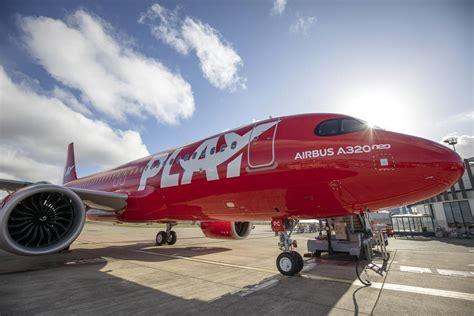
PLAY’s young Airbus A320neo fleet and lean operational structure make it a prime candidate for ACMI expansion. Leasing contracts provide steady revenue, lower risk, and geographic flexibility—allowing PLAY to earn income without direct exposure to route-level profitability concerns.
Moreover, operating under a Maltese AOC enables favorable cost structures, from taxation to labor laws, giving PLAY a competitive edge.
Icelandic Identity, Global Ambition
Despite the operational transformation, PLAY is taking deliberate steps to retain its Icelandic identity. The airline’s crew will remain based in Iceland, and its iconic red livery will continue to fly Nordic skies. For consumers, PLAY’s branding, service experience, and booking interfaces will remain consistent.
Labor contracts with Icelandic employees will also remain in place, ensuring stability during the transition. PLAY’s aim is to become more competitive behind the scenes without altering its customer-facing values.

A Measured Gamble with High Stakes
PLAY’s decision to exit the U.S. market and revamp its business model marks a decisive gamble. In pivoting away from risky long-haul operations toward regional strength and leasing diversification, the airline is taking a page from newer aviation success stories focused on resilience over reach.
While the move comes with financial, operational, and reputational risks, it may offer a realistic path to survival in a rapidly evolving aviation industry. In an era defined by post-pandemic volatility, flexibility and focus are proving more valuable than ambition alone.
As PLAY charts a new course from Reykjavík to Malta and beyond, its story reflects a broader truth in 2025: the global airline industry is no longer about conquering the skies—it’s about navigating the storm.