JetBlue Airways is leading a stark industry-wide pivot as weak US travel demand in 2025 forces major airlines—including Delta, American, United, Frontier, and Spirit—to slash flights, delay aircraft upgrades, and retreat from expansion strategies. Once geared for post-pandemic recovery, the US airline industry is now navigating a prolonged downturn, sparking cascading effects on tourism, consumer behavior, and financial stability.
JetBlue’s Retreat Marks the Tone of a Wider Industry Shift
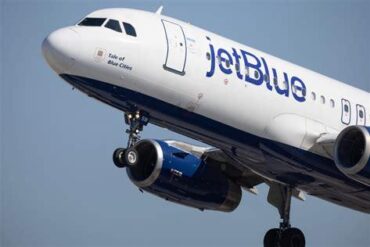
JetBlue, once a flagbearer of domestic growth and innovation, has joined its rivals in cutting capacity, placing aircraft in storage, and rethinking staffing priorities. The airline has confirmed cuts to off-peak flight schedules, a halt to retrofitting projects on older Airbus A320s, and a pause in leadership hiring—measures aimed at preserving strategic cash reserves.
Passenger bookings have dropped sharply. Domestic travel, long seen as the bedrock of JetBlue’s business, is weakening under inflationary pressure and evolving preferences. Meanwhile, airfares in May 2025 fell 7.3% compared to the previous year, according to airline data.
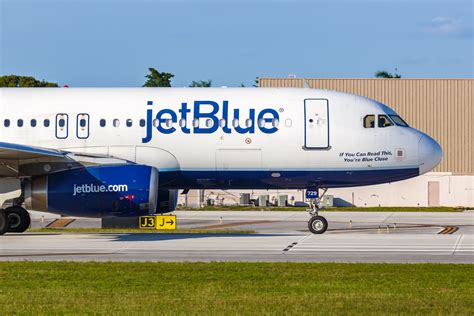
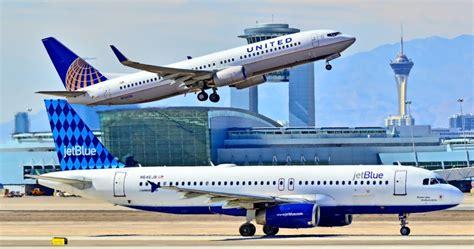
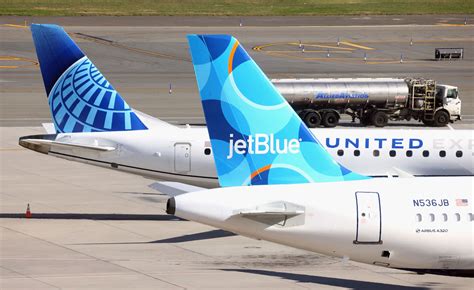
The collapse of JetBlue’s merger with Spirit Airlines and the termination of its Northeast Alliance with American Airlines has left the carrier more vulnerable than ever. With those two high-growth strategies now shelved, JetBlue has pivoted to internal restructuring and alliances, most notably a new partnership with United Airlines. This agreement allows interchangeable mileage redemption and cross-network bookings—an effort to capture high-yield business and premium travelers.
Yet leadership warns that these steps alone won’t reverse financial woes. JetBlue’s margins are expected to remain below breakeven through 2025. To survive, the airline is betting heavily on premium seating, strategic hubs, and cost-cutting efficiency.
Delta, American, and United Hit the Brakes on Growth
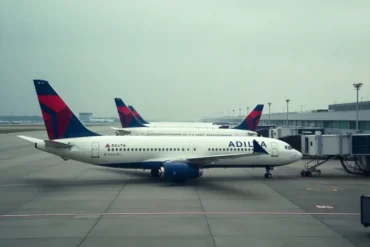
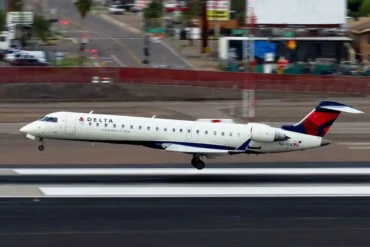
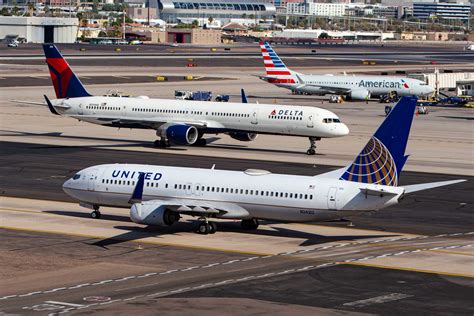
The shift isn’t limited to JetBlue. Delta Air Lines has trimmed frequencies and eliminated full-year guidance as it confronts softening demand. American Airlines has withdrawn forecasts, signaling uncertainty in domestic booking patterns. United Airlines has canceled upgrades to passenger lounges and retired select aircraft early, all while issuing no financial guidance for the remainder of the year.
These moves reflect a coordinated retreat across the major carriers. The previously aggressive stance on expansion is now being replaced with a survival-first strategy focused on cash preservation, operational simplification, and route rationalization.
Budget Carriers Suffer the Most from Demand Contraction
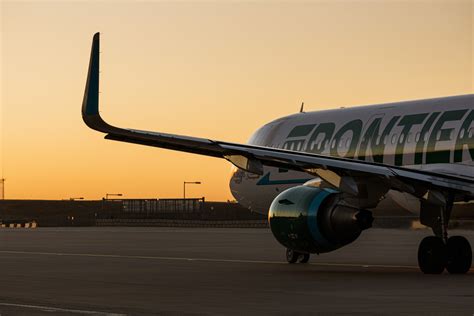
For ultra-low-cost carriers like Frontier and Spirit, the situation is even more fragile. Frontier has slashed capacity across multiple hubs to defend its thin profit margins, while Spirit is dealing with operational disruptions, a slowing leisure segment, and limited cash flow flexibility.
Southwest Airlines, while not part of the same low-cost bracket, is also adjusting. It has reduced overall capacity and introduced revised perks to stimulate sluggish leisure travel. The airline’s leadership indicated that the once-booming appetite for short-haul getaways is cooling.
US Tourism Feels the Fallout from Airline Retrenchments
The implications extend beyond airport tarmacs. A slowdown in summer travel bookings, route eliminations, and volatile airfare pricing are rippling into the broader tourism economy. Hotels in secondary markets are reporting lower occupancy. Local economies that depend on regional air service—places like Boise, Charleston, and Des Moines—are bracing for fewer visitors and reduced spending.
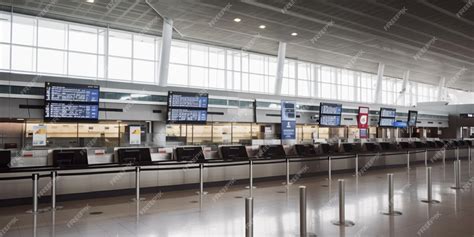
At major hubs like LAX, JFK, and ORD, foot traffic is noticeably lighter. Travelers face longer wait times for rebookings and fewer flight options, especially on non-peak days. Technical glitches and immigration system slowdowns have further compounded operational headaches, triggering frequent schedule overhauls and massive customer service queues.
Political Uncertainty Adds Fuel to the Fire
This economic strain is unfolding against a backdrop of renewed political turbulence. Donald Trump’s return to the campaign trail has reignited trade war concerns, particularly involving tariffs on imports from China and the EU. Such policies could inflate prices for aircraft parts, in-flight technology, and airport modernization projects, placing further stress on cost-sensitive airlines.
As if labor shortages and fuel price volatility weren’t enough, the airline sector now finds itself at the mercy of policy-driven volatility that affects supply chains, airport upgrades, and even passenger demand forecasts.
Fleet Strategy Overhauls and Suspended Expansions
Many US airlines that banked on growth between 2023 and 2024 are now reversing course. Carriers are freezing hiring for back-office roles, placing fleet renewals on hold, and abandoning once-promising regional expansions.
JetBlue, for instance, has placed four Airbus A320s in storage, postponing their cabin overhauls until demand returns. Meanwhile, competitors are reevaluating capital allocations originally meant for lounge improvements, first-class upgrades, and next-generation cabin interiors.
Secondary Airports Bear the Brunt of Route Cuts
Airports that flourished during the domestic boom—San Diego, Charlotte, Minneapolis—are now witnessing dwindling schedules and fewer connections from budget carriers. Mid-sized cities are most at risk, with travelers likely to face longer layovers, higher ticket prices, or even discontinued service. These cuts challenge regional development plans that relied on expanded air access to stimulate tourism and business growth.
International Travel Emerges as a Bright Spot
Interestingly, international bookings are showing greater resilience, even modest growth. With fewer domestic deals and increasingly unreliable schedules, more Americans are choosing overseas vacations—especially to Europe and Asia—where competition has kept prices relatively stable.
This trend could shift the foundation of US travel. If domestic air service remains constrained, a growing portion of tourism dollars may exit the country, reducing demand for domestic hospitality, dining, and attractions. The impact could derail city tourism budgets and force a realignment of advertising and infrastructure investments.
Market Reactions and Investor Concerns
Investor sentiment has been mixed. US airline stocks have suffered as downgraded forecasts and rising debt exposure shake market confidence. Carriers like JetBlue, with little international exposure, have underperformed, while global players like Delta and United—who can lean on transatlantic and Pacific routes—have maintained stronger investor interest.
The Next Six Months: Crucial for Industry Direction
Analysts agree: the second half of 2025 will be pivotal. If demand fails to rebound by Q4, the industry may see:
- Fleet retirements accelerated to cut maintenance costs
- Greater reliance on code-share alliances to maximize reach without overhead
- Service withdrawal from tertiary markets
Election-year uncertainty, possible tariff escalations, and continued economic stagnation could push airlines to adopt even more conservative operating models. This could lock in a period of lower connectivity, price instability, and slower recovery across the US travel landscape.
Advice for Travelers in the 2025 Travel Climate
For passengers, the new normal includes:
- Booking flights well in advance to avoid price hikes
- Prioritizing peak-day travel to ensure options
- Monitoring alliances (like JetBlue-United) for more flexibility and rewards
- Preparing for last-minute changes, especially on off-peak or regional routes
Airlines are urging patience. But for many, the abrupt changes feel more like a betrayal of post-COVID travel promises. What was supposed to be a banner year for US tourism now feels like a reversal of momentum.
A Crossroads for US Aviation and Tourism
The coming months will determine whether the US airline industry can stabilize before turbulence turns to freefall. Strategic partnerships, financial discipline, and adaptive planning may help avert a deeper crisis. But without a strong rebound in domestic demand, even the most well-prepared carriers may struggle to avoid lasting damage.
The future of US travel in 2025 hinges not only on consumer confidence and economic indicators but also on how swiftly airlines can recalibrate operations in an increasingly volatile environment. One thing is certain: the golden age of post-pandemic recovery has hit a severe headwind, and the skies ahead look anything but clear.