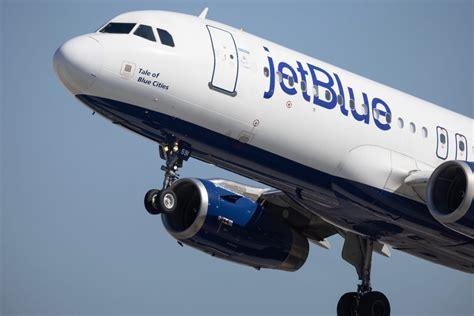
JetBlue Airways is set to discontinue all operations at Manchester-Boston Regional Airport (MHT) on July 8, a move that underscores intensifying structural pressures within the aviation sector. The decision, framed by the airline as a response to a broader “capacity crisis,” highlights how even recently launched routes are no longer immune to rapid network recalibration. Less than two years after entering the New Hampshire market, JetBlue is now shifting aircraft toward routes with stronger financial performance, leaving regional connectivity increasingly fragile.
The airline’s explanation centers on a strategic need to optimize limited resources in an environment where aircraft availability, operational costs, and demand imbalances are reshaping route economics. While JetBlue continues to maintain a dominant presence at Boston Logan International Airport (BOS), its withdrawal from nearby Manchester signals a clear prioritization of high-yield, high-demand corridors over smaller regional markets that require longer timelines to mature.
Airport officials confirmed that JetBlue cited the necessity to “support national connectivity in a time of capacity crisis,” a phrase that has quickly gained traction across industry discussions. Behind that language lies a more concrete reality: airlines are grappling with constrained fleets, delayed aircraft deliveries, and rising fuel costs, forcing difficult trade-offs about where each aircraft can generate the greatest return.
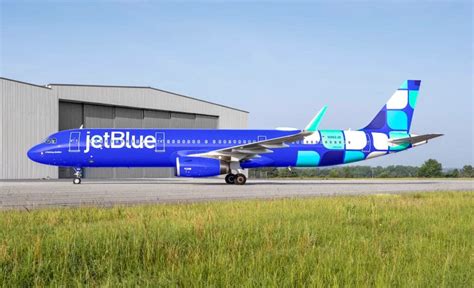
JetBlue’s exit is particularly impactful for Manchester, where the carrier accounted for over 10% of passenger traffic in the past year. Its routes—primarily linking New Hampshire travelers to Florida leisure destinations such as Orlando and Fort Myers—offered a competitive low-cost alternative in a market already under pressure from the gravitational pull of Boston Logan, located roughly an hour away by car. For many passengers, convenience alone was not enough to offset fare differences or broader network advantages available at a major hub.
JetBlue’s Strategic Retreat from Secondary Airports
JetBlue described the Manchester withdrawal as part of targeted schedule adjustments affecting a limited number of underperforming markets. Yet the implications extend far beyond a single airport. Across the United States, airlines are quietly retrenching from secondary cities, concentrating capacity where demand is both deeper and more predictable.
The shift has been accelerated by developments in South Florida, particularly at Fort Lauderdale-Hollywood International Airport (FLL). Following the collapse of Spirit Airlines, a significant gap emerged in seat capacity, creating an immediate opportunity for competitors. JetBlue has moved aggressively to fill that void, redeploying aircraft from weaker routes—like Manchester—to capitalize on high-demand, high-margin markets.
For affected passengers, JetBlue has committed to offering rebooking options or full refunds, minimizing short-term disruption. However, the longer-term consequence is a reduction in regional air service diversity, especially for travelers who relied on direct, low-cost connections from smaller airports.
Economic Pressures Driving the “Capacity Crisis”
The phrase “capacity crisis” is not rhetorical flourish—it reflects a convergence of systemic constraints reshaping airline operations in 2026. Aircraft manufacturers continue to face production delays, limiting fleet expansion at a time when travel demand remains robust. At the same time, jet fuel prices have surged, placing additional strain on airline balance sheets already burdened by debt from pandemic-era losses.
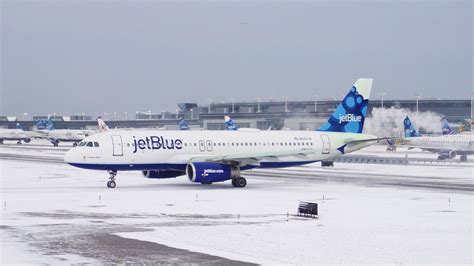
These pressures are forcing airlines to adopt a more disciplined approach to network planning. Routes that once might have been given years to develop are now evaluated with far greater urgency. If a market fails to demonstrate strong, consistent performance, it risks being cut—regardless of prior investment in marketing or incentives.
Manchester airport officials acknowledged that they had deployed substantial resources to sustain JetBlue’s presence, including promotional campaigns and financial incentives designed to stimulate demand. Yet those efforts ultimately proved insufficient against macroeconomic forces that are beyond the control of any single airport.
The Competitive Shadow of Boston Logan
One of the most persistent challenges for Manchester is its proximity to Boston Logan International Airport, a major hub offering a vastly broader network of domestic and international flights. For airlines, Logan represents a high-density demand center where aircraft can be deployed with greater efficiency and higher revenue potential.
For travelers, the equation is often straightforward: a longer drive may be justified by lower fares, more flight options, and better connectivity. This dynamic has historically limited the ability of regional airports like Manchester to sustain consistent service, particularly during periods of industry contraction.
JetBlue’s continued investment in Boston only reinforces this imbalance. As the airline expands its presence at Logan—adding both domestic frequencies and transatlantic routes—it is effectively doubling down on a hub-centric strategy that leaves less room for peripheral markets.
Regional Fallout and Passenger Impact
The immediate effect of JetBlue’s departure will be felt by travelers across southern New Hampshire, many of whom will now need to reroute their journeys through Boston or other regional airports. The loss of a low-cost carrier option could also lead to higher fares and reduced competition, particularly on popular leisure routes.
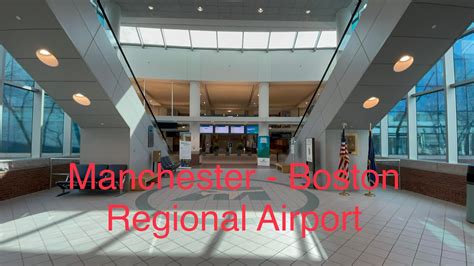
For Manchester-Boston Regional Airport, the setback is both symbolic and practical. Once a thriving hub with over four million annual passengers in the mid-2000s, the airport has struggled to regain its former scale. While traffic has gradually recovered since the pandemic, it remains well below historic peaks, making each airline partnership critically important.
Airport officials have emphasized their commitment to attracting new carriers and routes, expressing hope that JetBlue could eventually return under more favorable conditions. Yet the broader trend suggests that competition for airline capacity will only intensify, with smaller airports facing an uphill battle to secure long-term commitments.
A Broader Industry Realignment
JetBlue’s short-lived presence in Manchester is less an isolated ঘটনা and more a reflection of industry-wide realignment. Airlines are operating in an environment where every aircraft must justify its deployment, and where flexibility has become a core strategic advantage.
The collapse of competitors, shifts in demand patterns, and ongoing supply constraints are collectively reshaping route networks at a rapid pace. In this context, the “capacity crisis” is not merely about scarcity—it is about strategic prioritization in a landscape where margins are thin and opportunities must be seized quickly.
For regional airports, the lesson is clear: success will increasingly depend on the ability to differentiate, incentivize, and adapt to the evolving needs of airlines. For travelers, it signals a future where access to convenient, local air service may become less predictable, particularly outside major metropolitan hubs.
JetBlue’s exit from Manchester may close one chapter, but it also reveals the deeper forces redefining the modern aviation map—forces that are unlikely to ease anytime soon.