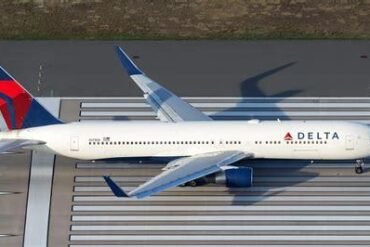
The rising cost of air travel has taken another step upward as Delta Air Lines confirms a new increase in checked baggage fees, positioning itself as the third major U.S. carrier to implement such changes in April 2026. The move follows similar actions by United Airlines and JetBlue Airways, signaling a coordinated response across the aviation industry as jet fuel prices climb to unprecedented levels. For travelers, the adjustment underscores a subtle but impactful shift: even when ticket prices appear stable, the total cost of flying continues to rise through ancillary charges.
Delta’s updated fee structure applies to tickets purchased from April 8 onward and targets domestic and select short-haul international routes. The airline’s decision comes at a time when global energy markets are experiencing sharp volatility, driven largely by geopolitical tensions in the Middle East. As a result, airlines are increasingly leaning on non-ticket revenue streams to maintain profitability without dramatically increasing base fares.
Delta’s New Checked Bag Fees: What Travelers Will Pay Now
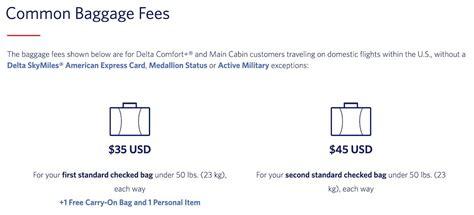
Passengers flying on eligible routes will now see the cost of a first checked bag rise to $45, while a second bag increases to $55. The most significant jump appears in the third checked bag category, which surges to $200, reflecting a strategic push to discourage excess baggage while maximizing revenue from those who require it.
This marks Delta’s first domestic baggage fee increase in nearly two years, highlighting how rapidly market conditions have shifted. While the adjustments may feel incremental at first glance, they represent a broader recalibration of pricing structures designed to absorb escalating operational expenses.
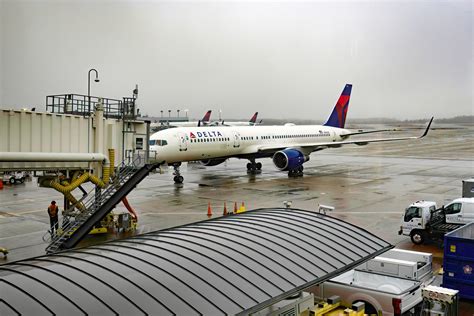
Notably, not all passengers will be affected. Travelers flying in premium cabins, elite members of Delta’s SkyMiles loyalty program, active-duty military personnel, and holders of co-branded credit cards will continue to enjoy exemptions. Additionally, long-haul international routes remain unchanged, ensuring that the fee hike primarily impacts short-distance and domestic travelers.
Fuel Prices Drive Strategic Pricing Decisions Across Airlines
At the core of this industry-wide shift lies a dramatic surge in jet fuel prices, which have more than doubled compared to 2025 averages. In early April 2026, prices reached approximately $200 per barrel, placing immense pressure on airline operating margins. Fuel, already one of the largest expenses for carriers, has become an even more dominant cost factor amid ongoing disruptions to global oil supply chains.
The situation has been exacerbated by instability in key regions such as the Middle East, where tensions have affected critical shipping routes like the Strait of Hormuz. These disruptions have tightened supply and driven up costs, leaving airlines with limited options to maintain financial stability.
For carriers like Delta, adjusting baggage fees offers a flexible and less visible alternative to raising base ticket prices. While fare increases are immediately noticeable and can deter bookings, ancillary fees allow airlines to distribute costs more subtly, preserving the appearance of competitive pricing in search results and fare comparisons.
An Industry-Wide Pattern: Delta Aligns With United and JetBlue
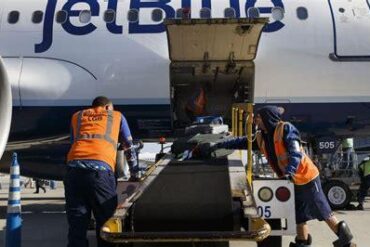
Delta’s announcement does not exist in isolation. Within the same week, both United Airlines and JetBlue Airways implemented similar baggage fee increases, suggesting a coordinated industry response rather than independent decision-making. Analysts point out that such alignment reduces competitive risk, as no single airline bears the burden of appearing more expensive than its rivals.
This trend reflects a broader evolution in airline revenue models. Over the past decade, ancillary fees have transformed from supplementary income into a core financial pillar. Charges for checked baggage, seat selection, priority boarding, and onboard services now generate billions of dollars annually, providing airlines with a more stable and predictable revenue stream compared to fluctuating ticket prices.
Interestingly, once introduced, these fees rarely decrease—even if underlying costs stabilize. This creates a long-term upward trajectory for the overall cost of air travel, particularly for passengers who do not benefit from loyalty perks or premium services.
Strong Travel Demand Softens the Impact of Rising Costs
Despite mounting expenses, airlines continue to report robust demand for air travel in 2026, particularly during peak seasons. This resilience gives carriers greater confidence to introduce fee increases without significantly dampening passenger volumes. In essence, strong demand acts as a cushion, allowing airlines to pass on higher costs while maintaining high load factors.
However, this dynamic also raises important questions about affordability, especially for budget-conscious travelers. While base fares may remain competitive, the accumulation of additional fees can quickly elevate the total trip cost beyond initial expectations.
For frequent flyers, the evolving landscape presents both challenges and opportunities. On one hand, higher fees increase out-of-pocket expenses; on the other, they enhance the value of loyalty programs and co-branded credit cards, which often include baggage fee waivers as a key benefit.
What This Means for Travelers Moving Forward
The latest increase by Delta reinforces a clear industry trajectory: airlines are becoming increasingly reliant on ancillary revenue to navigate volatile economic conditions. For travelers, adapting to this reality means paying closer attention to the full cost of a journey rather than focusing solely on ticket prices.
Strategies such as traveling light, leveraging loyalty status, or using airline-affiliated credit cards can help mitigate these additional expenses. At the same time, the persistence of strong travel demand suggests that such fees are unlikely to deter the majority of passengers.
Looking ahead, the future of baggage fees will largely depend on fuel price trends and geopolitical developments. If energy markets stabilize, the pace of increases may slow—but history indicates that existing fees are unlikely to be rolled back.
In the meantime, Delta’s decision serves as a clear reminder that in modern aviation, the ticket is only part of the story. The real cost of flying increasingly lies in the details—and those details are getting more expensive.