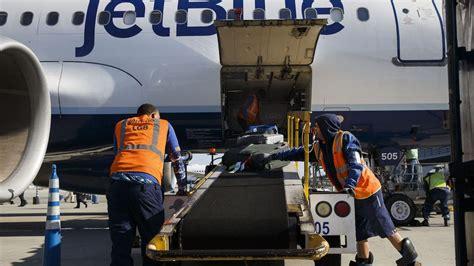
The latest move by JetBlue Airways signals a decisive shift in airline pricing strategy, as carriers grapple with escalating operational pressures. The New York-based hybrid airline has confirmed an increase in checked baggage fees, citing rising fuel prices, inflationary pressures, and broader cost burdens across its network. For travelers, this marks yet another subtle but meaningful increase in the true cost of flying.
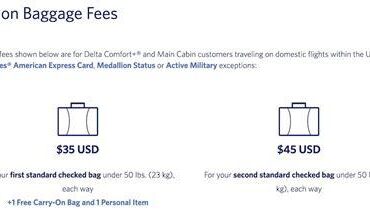
At first glance, the price hike appears modest—roughly a $4 increase for standard checked baggage. But in a market where airlines compete aggressively on base fares, ancillary fees like baggage are becoming the primary lever for profitability. JetBlue’s recalibration reflects a broader industry trend: keep ticket prices attractive upfront, while shifting cost recovery to optional services.
Why JetBlue Is Raising Bag Fees Now
The airline industry has entered a new cost cycle. With jet fuel prices fluctuating and labor contracts tightening, airlines are under pressure to maintain margins without alienating price-sensitive passengers. JetBlue has framed the increase as a necessary compromise—preserving competitive base fares while continuing to invest in onboard experience and operational reliability.
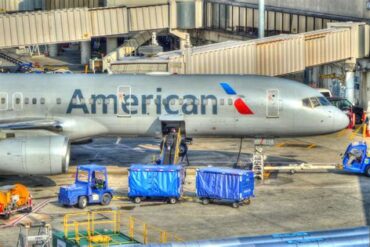
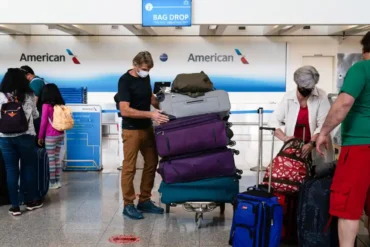
This balancing act is not unique. Major competitors such as American Airlines have already implemented similar fee adjustments, reinforcing the idea that ancillary revenue streams are no longer optional—they are essential.
JetBlue’s internal messaging emphasizes restraint, noting that fee changes are only introduced when unavoidable. Still, the timing suggests a strategic alignment with peak travel demand cycles, ensuring maximum revenue impact during high-volume periods.
Updated Domestic and Regional Baggage Pricing
For passengers traveling within the United States, as well as to destinations across the Caribbean and Latin America, the new pricing structure introduces incremental but noticeable changes. The first checked bag will now cost $39 during off-peak periods, rising to $49 during peak travel seasons.
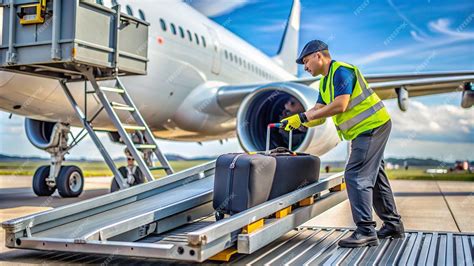
Travelers who delay payment—or wait until arriving at the airport—will face even steeper costs. Last-minute decisions can push fees up by an additional $10 surcharge, reinforcing the airline’s push toward prepaid, digital-first transactions.
Fare class continues to play a critical role. Passengers booking higher-tier options such as Blue Plus or premium cabins will still benefit from included baggage allowances, while entry-level fares like Blue Basic remain the most exposed to added costs. The pricing structure is deliberately tiered, encouraging upsell behavior while maintaining flexibility for budget travelers.
Who Still Gets Free Checked Bags
Despite the increase, JetBlue has preserved key exemptions designed to reward loyalty and premium engagement. Members of its frequent flyer ecosystem—particularly those with Mosaic status—retain access to complimentary baggage benefits, with higher tiers unlocking additional allowances.
Similarly, co-branded credit card holders continue to enjoy free checked bags, a perk that strengthens customer retention and incentivizes long-term brand commitment. In effect, JetBlue is reinforcing a familiar airline strategy: charge more for casual travelers, reward the loyal and the high-value customer.
Transatlantic Travel: Higher Stakes, Higher Fees
The cost implications become even more pronounced for travelers crossing the Atlantic. For flights to Europe, baggage fees now start at $64 during off-peak periods and climb to $74 during peak seasons. Second checked bags are significantly more expensive, beginning at over $100, reflecting the higher operational costs associated with long-haul routes.
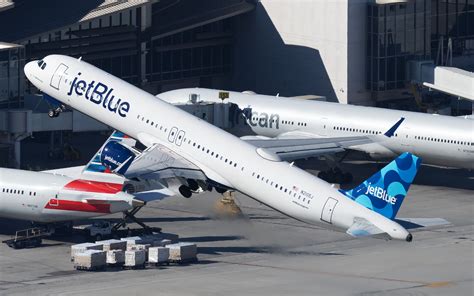
Even in this segment, JetBlue maintains a nuanced pricing approach. Certain fare categories include a complimentary first checked bag, while premium passengers—particularly those flying in Mint—continue to enjoy enhanced baggage privileges. However, for economy travelers, the message is clear: plan ahead or pay a premium.
A Broader Shift in Airline Economics
JetBlue’s fee adjustment is not an isolated development; it is part of a larger transformation in airline economics. As base fares become increasingly commoditized, airlines are relying on unbundled pricing models to drive revenue growth. Checked baggage, seat selection, and onboard services are no longer secondary—they are central to profitability.
For consumers, this means the advertised ticket price is only part of the equation. The real cost of travel is shaped by behavioral choices—when you book, how you pay, and what extras you select along the way.
What This Means for Travelers in 2026
The takeaway is straightforward but impactful: flying is becoming more customizable—and more complex. JetBlue’s latest pricing update underscores the importance of strategic booking decisions, particularly for travelers looking to minimize costs.
Booking early, selecting the right fare class, and leveraging loyalty programs are no longer optional tactics; they are essential tools for navigating modern air travel. As airlines continue refining their revenue strategies, passengers who adapt quickly will be best positioned to avoid unnecessary fees and maximize value.
In the evolving landscape of aviation, JetBlue’s move is both a warning and a preview. The era of ultra-low base fares paired with rising add-ons is here to stay—and understanding the fine print has never been more important.