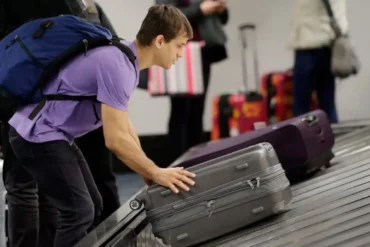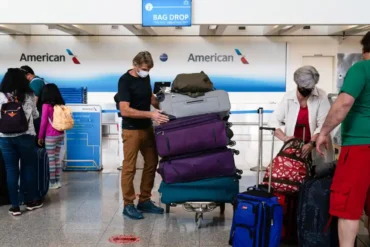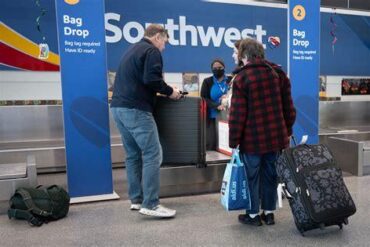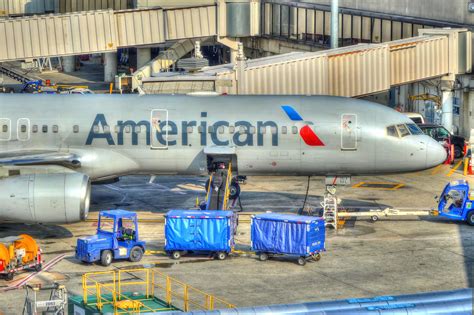
Air travelers across the United States are facing another round of higher travel costs as American Airlines increases its checked baggage fees, joining a growing list of major carriers adjusting prices amid surging jet fuel expenses. The move reflects broader pressures within the aviation sector, where airlines are navigating volatile energy markets, persistent global tensions, and strong post-pandemic travel demand.
The announcement places American Airlines alongside Delta Air Lines, United Airlines, JetBlue, and Southwest Airlines, all of which have introduced similar fee hikes in recent weeks. For passengers purchasing basic economy tickets, the change represents yet another reminder that the lowest airfare options increasingly come with added restrictions and additional charges.
The updated pricing structure applies to new bookings made after April 9, primarily affecting domestic routes and short-haul international destinations across North America and the Caribbean. Travelers who previously relied on budget fares to minimize travel costs may now find that ancillary fees significantly increase the total price of their trip.
Rising Checked Bag Fees Hit Basic Economy Travelers
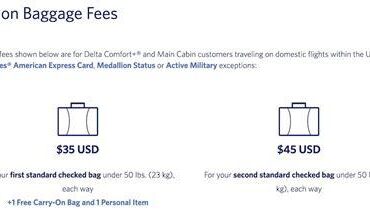
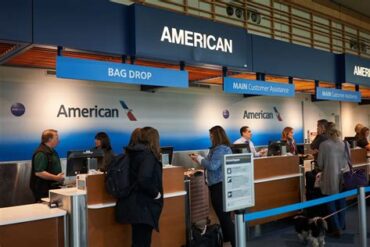
American Airlines has introduced a $10 increase on checked baggage fees for passengers flying on basic economy fares. Under the updated pricing system, travelers will now pay $55 for the first checked bag and $65 for the second when paying at the airport.
Passengers who pay for baggage online in advance will receive a small discount. The airline offers a 4% reduction for prepaid baggage, lowering the first checked bag to approximately $50 and the second to $60. While modest, this discount reflects airlines’ broader push toward digital transactions that reduce airport processing time and staffing requirements.
The new fee structure applies to several key travel regions, including:
- Domestic United States flights
- Routes to Canada, Puerto Rico, and the U.S. Virgin Islands
- Flights to Mexico, the Caribbean, and Central America (excluding Cuba, Panama, and Haiti)
These adjustments primarily target budget fare categories, which airlines increasingly treat as stripped-down entry products rather than full service tickets.
AAdvantage Status No Longer Shields Basic Economy Travelers
One notable aspect of the change is that American Airlines AAdvantage loyalty members traveling on basic economy tickets are no longer exempt from certain restrictions. Previously, elite status within the airline’s frequent flyer program could soften some of the limitations associated with the cheapest fares.
Under the revised policy, passengers flying basic economy will now face:
- Checked baggage fees regardless of AAdvantage status
- Charges for seat selection
- Ineligibility for complimentary systemwide upgrades
This shift reflects a broader industry trend in which airlines preserve premium perks for higher-fare cabins while tightening restrictions on entry-level tickets.
The Fuel Crisis Behind the Fee Hikes
At the heart of the price increases lies a sharp surge in global jet fuel costs, triggered in part by geopolitical tensions in the Middle East. A major contributing factor is the disruption surrounding the Strait of Hormuz, one of the world’s most critical oil transportation corridors.
Located between Iran and Oman, the narrow waterway handles more than 20% of global oil shipments. Any threat to shipping traffic through this route immediately affects international energy prices, including the refined fuels used by commercial aviation.
For airlines, jet fuel consistently ranks as the second-largest operating expense after labor. Even small fluctuations in fuel prices can translate into billions of dollars in additional costs across the global airline network.
As fuel costs spike, airlines often respond by adjusting ticket structures and ancillary charges rather than raising base airfare alone. This strategy allows carriers to protect profit margins while keeping headline ticket prices competitive in online search results.
American Airlines Becomes the Fifth Carrier to Raise Fees
American Airlines’ announcement marks the fifth baggage fee increase among major U.S. airlines in roughly ten days, illustrating how rapidly the industry has responded to the fuel price shock.
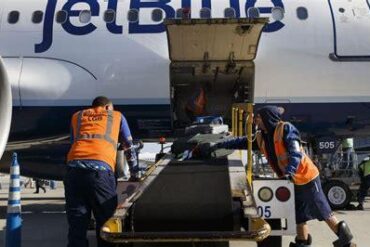
JetBlue was the first to move, introducing variable baggage pricing that can reach $49 during peak travel periods, depending on the route and booking window.
Shortly afterward:
- Delta Air Lines raised its checked bag fee by $10
- United Airlines increased its first bag fee to $50, with online discounts available
- Southwest Airlines modified its long-standing free-bag policy as part of broader operational adjustments
Together, these moves signal a coordinated shift across the airline sector, where ancillary revenue has become a crucial financial pillar.
Why Airlines Are Relying More on Ancillary Fees
Over the past decade, airlines have increasingly leaned on ancillary revenue streams such as baggage fees, seat selection charges, onboard services, and priority boarding. These additional fees now represent billions of dollars in annual revenue across the global aviation industry.
Basic economy fares are central to this model. By offering an ultra-low base price with minimal inclusions, airlines attract price-sensitive travelers while monetizing add-ons separately.
Premium cabins and upgraded economy products, meanwhile, generate higher margins and often include benefits like free checked baggage, early boarding, and more flexible change policies.
When operational costs rise—particularly fuel—airlines often tighten the restrictions on budget fares rather than dramatically raising ticket prices. This approach keeps advertised fares appealing while ensuring that operational expenses are still covered.
What Travelers Should Expect Going Forward
The recent wave of baggage fee increases highlights how quickly external pressures can reshape airline pricing strategies. With fuel markets remaining unpredictable and travel demand still robust, passengers may continue to see gradual increases in ancillary fees across multiple carriers.
Travelers who want to minimize extra costs may need to plan more carefully before booking. Strategies such as prepaying baggage online, using airline co-branded credit cards, or choosing fare classes that include checked luggage can help offset rising travel expenses.
For now, the message from the airline industry is clear: the era of ultra-cheap travel add-ons is fading, and the true cost of flying increasingly extends beyond the base ticket price.