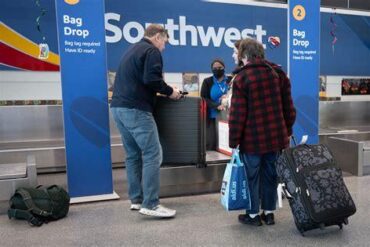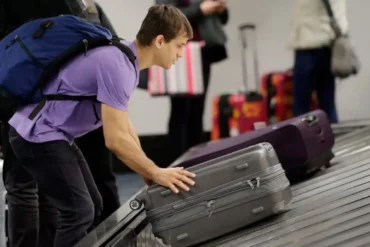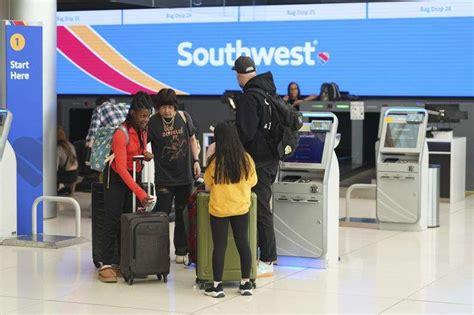
Southwest Airlines, long renowned for its “bags fly free” policy, has officially ended one of its most beloved customer perks. Starting Wednesday, May 28, the airline will now charge passengers $35 for their first checked bag and $45 for a second checked bag, aligning its fee structure with those of the major U.S. carriers. The announcement marks a significant departure from a policy that has long distinguished the Dallas-based carrier in the increasingly fee-driven world of commercial air travel.
The End of a Signature Policy
For decades, Southwest Airlines built a loyal customer base around its promise of no hidden fees, no change penalties, and most notably, no charges for checked luggage. This policy stood in stark contrast to the practices of legacy carriers such as American Airlines, Delta Air Lines, and United Airlines, which have charged for checked bags for over a decade. The company’s latest move, however, signals a new era where Southwest begins to resemble its competitors more closely, both in service offerings and pricing strategies.
According to a spokesperson, the new baggage fees apply to flights booked on or after May 28. Travelers who already purchased tickets prior to this date can still enjoy the previous benefit of checking two bags at no extra cost. Likewise, customers who make a reservation by the end of Tuesday, May 27, will be grandfathered into the old policy, maintaining the ability to fly with up to two bags free of charge.
What Passengers Will Pay Going Forward
The new fee structure is clear and direct:
- First checked bag: $35
- Second checked bag: $45
These prices reflect the industry norm, mirroring the standard rates charged by the Big Three U.S. carriers. While competitors may offer marginal discounts for pre-payment or elite members, the base prices remain consistent across the board.
Maintaining Free Bags: Exceptions to the Rule
Southwest isn’t entirely abandoning the idea of free baggage. In fact, the airline has structured several exceptions within its fare and loyalty ecosystem to preserve some level of benefit for frequent flyers and high-paying customers. Here’s how travelers can still enjoy checked bags without added fees:
- Business Select fare passengers (soon to be rebranded as Choice Extra) will continue to receive two free checked bags. This fare class will also include assigned seating and extra legroom by 2026.
- A-List Preferred Rapid Rewards members: 2 free checked bags
- A-List Rapid Rewards members: 1 free checked bag
- Holders of Southwest cobranded Chase credit cards: 1 free checked bag
These categories demonstrate how Southwest is leveraging loyalty incentives and fare upgrades to soften the impact of its policy shift.
Strategic Shift: Aligning with Industry Norms
In many ways, Southwest’s decision reflects the broader pressures facing the airline industry, particularly in the wake of diminishing pandemic-era travel surges and rising operational costs. CEO Bob Jordan has acknowledged the need to boost profitability, and unbundling services like baggage is a well-established path to increased ancillary revenue.
For years, Southwest’s free bags policy served as both a marketing tool and a practical advantage, enticing customers to choose the airline for leisure and family travel. In 2023, executives confirmed that the free baggage allowance was among the top reasons people chose Southwest over competitors. However, loyalty alone wasn’t enough to offset financial underperformance.
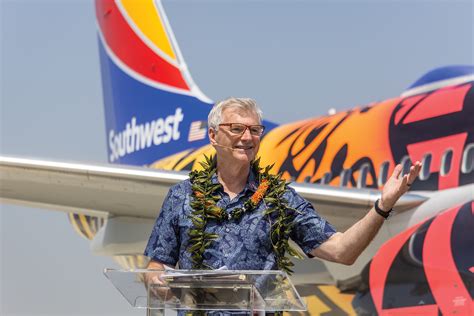
Jordan’s pivot suggests a strategic recalibration where Southwest aims to standardize its revenue model, reducing dependence on ticket sales and capitalizing on fee-based services, which have become a staple across the aviation sector.
Looking Ahead: Assigned Seating and More Changes
This isn’t the only tradition Southwest is overturning. The company has already announced plans to introduce assigned seating, moving away from its signature open boarding model. This will roll out alongside the new Choice Extra fare tier, offering perks such as early boarding and roomier seats, features that have long been part of premium fare classes on other carriers.
These developments illustrate a broader modernization effort aimed at diversifying revenue while still retaining a semblance of the airline’s original value-oriented identity. Yet, with each change, Southwest inches closer to the norms it once resisted, potentially diluting its unique selling proposition.
Customer Reaction and Market Impact
Unsurprisingly, news of the fee implementation sparked mixed reactions among loyal Southwest flyers. Many expressed disappointment across travel forums and social media, calling the move a betrayal of the airline’s brand promise. Some noted that while the fees themselves aren’t exorbitant, the symbolism of their introduction represents a shift in company culture.
Still, travel analysts suggest the impact on bookings may be minimal. The fact that Southwest delayed introducing fees for so long may actually work in its favor; the vast majority of frequent travelers are already accustomed to paying for bags elsewhere.
Moreover, the airline’s rewards program remains robust, and its commitment to no change fees continues to be a differentiating factor. In fact, this policy alone may provide enough goodwill to retain a sizable segment of loyal customers, even as the checked bags perk fades into history.
The Bigger Picture: Airline Fee Trends in 2025
The move by Southwest reflects a continuing trend across the U.S. airline industry, where unbundled pricing models dominate the landscape. Checked baggage fees alone generate billions in annual revenue across carriers, offering a crucial stream of income at a time when fuel prices, staffing costs, and fleet modernization expenses are climbing.
Airlines now rely on ancillary fees for a significant portion of their profitability. These include seat selection, baggage, in-flight food and Wi-Fi, priority boarding, and more. For Southwest to remain competitive—and financially solvent—it must adapt to this reality, even at the risk of sacrificing elements of its distinct identity.
Last Chance for Free Bags: What Travelers Should Do Now
For those hoping to sneak in one last trip under the original policy, the deadline is fast approaching. Bookings made by the end of May 27 will still qualify for free checked bags, regardless of travel date. This creates a short window for families, holiday planners, and business travelers to lock in flights with no baggage charges.
Passengers considering future travel—particularly for peak seasons like Thanksgiving and Christmas—would do well to book immediately, especially if traveling with more than a carry-on.
In a world where fees are often hidden or ambiguous, Southwest’s transparent and clearly communicated policy shift is, at the very least, direct. However, the long-term ramifications on its customer base, competitive positioning, and brand loyalty remain to be seen.
Conclusion: A Watershed Moment for Southwest Airlines
Southwest Airlines’ move to introduce checked bag fees for the first time in its history is more than a pricing update—it’s a strategic pivot that underscores how the airline industry continues to evolve under economic pressure and shifting consumer expectations. While some customers will undoubtedly feel alienated, others may adapt quickly, especially with alternatives available through fare upgrades and loyalty status.
Whether this change enhances profitability or erodes the brand equity Southwest has spent decades cultivating is a question that only time—and quarterly earnings—will answer.