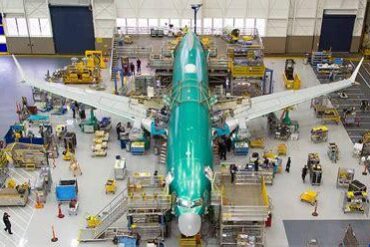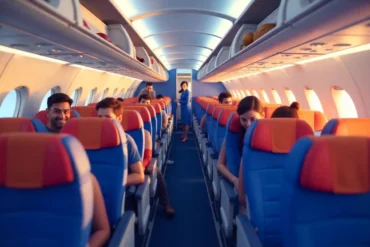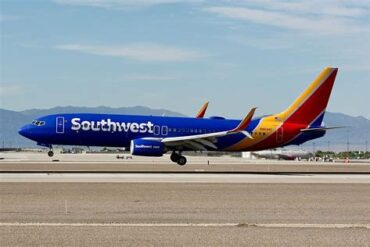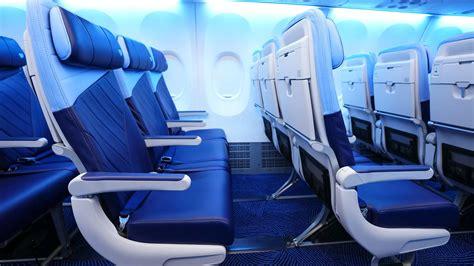
In a sweeping departure from its long-standing and often polarizing open boarding model, Southwest Airlines has confirmed that it will implement assigned and premium seating across its domestic network, beginning in late 2025 with full-scale adoption by 2026. The change marks the most substantial strategic pivot in the airline’s operational framework in decades, as it moves to align more closely with evolving traveler preferences and industry norms.
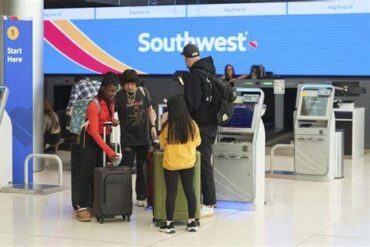
For over fifty years, Southwest’s boarding system—based on check-in order rather than assigned seats—stood out as a signature differentiator. Passengers who checked in early were grouped into boarding categories (A, B, or C) and allowed to choose any available seat once on board. It was efficient for some, chaotic for others, and ultimately limiting for passengers seeking comfort, convenience, and consistency. Now, the airline aims to shed this image and embrace the full spectrum of passenger expectations in the post-pandemic travel landscape.
Embracing Modern Passenger Demands with a New Seating Philosophy
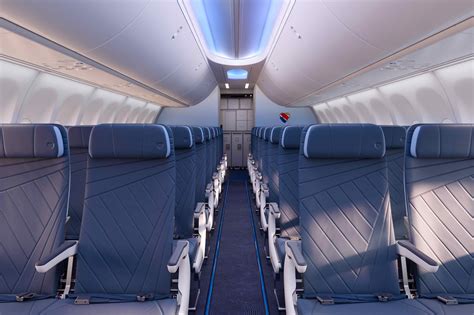
The upcoming transition signals a significant cultural and commercial redefinition of Southwest Airlines. For decades, the company built a reputation around low fares, operational simplicity, and quirky charm. However, consumer sentiment has gradually shifted toward more customizable and predictable travel experiences. Assigned seating has long been a key part of this trend, offering families, business travelers, and premium-paying passengers the peace of mind that comes with knowing exactly where they’ll sit.
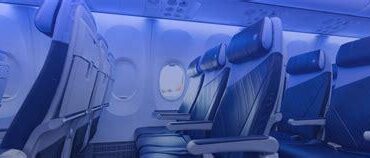
Southwest’s shift to assigned seating will also introduce premium tiers, which are expected to include extra legroom, preferred cabin locations, and potentially bundled services like early boarding, complimentary drinks, or exclusive overhead bin space. These enhancements cater directly to a growing segment of customers willing to pay more for increased comfort and control.
The company has not yet disclosed the specific pricing structure or configurations of the new seating classes, but the announcement alone already positions the airline on a more competitive footing with legacy carriers like American, Delta, and United, all of which offer segmented seating and tiered pricing.
Rolling Implementation and Operational Readiness
Southwest Airlines has confirmed that booking systems will begin integrating the new seat assignment functionality by Q3 2025, with the full rollout slated for sometime in 2026. The phased transition will allow the airline to update its reservation infrastructure, retrain staff, and gradually introduce the changes to its loyal customer base.
Internally, the process is complex. Systems built around the simplicity of open seating must be adapted to accommodate dynamic pricing for seat selection, integration with loyalty programs, and ancillary revenue tracking. Cabin crew protocols will also change, as flight attendants and gate agents will now be required to assist with seating disputes and manage premium passenger expectations.
In anticipation of potential friction from loyalists who favored the previous system, Southwest is investing heavily in a new marketing campaign to guide public perception of the change. The campaign underscores the message: the airline is evolving—not abandoning—its founding principles.
Advertising Campaign Reflects Brand Evolution
To ease the transition and preserve brand goodwill, Southwest has launched a nationwide advertising initiative emphasizing its core values of affordability, friendliness, and reliability, while introducing the advantages of the new seating model. The campaign seeks to reassure long-time passengers that the heart of Southwest remains intact, even as its operational structure becomes more sophisticated.
In commercials, digital banners, and social media posts, Southwest highlights how assigned seating can reduce anxiety, improve the boarding process, and provide a better overall experience, especially for families with children, travelers with mobility needs, and corporate clients.
The messaging taps into broader consumer sentiment, which increasingly favors clarity and customization over spontaneity and simplicity. As competition intensifies, Southwest’s communications strategy reflects an awareness that it must evolve or risk becoming outdated.
Safety Upgrades Strengthen the Transformation Narrative
This sea change in seating policy is not occurring in isolation. At the same time, Southwest Airlines is enhancing its operational backbone by upgrading the safety systems on its Boeing 737 fleet. In collaboration with a leading aerospace tech provider, the airline is integrating advanced runway safety technologies designed to assist pilots during taxiing, takeoff, and landing.
The systems include real-time situational data, cockpit alerts, and additional sensor integration to prevent runway incursions and miscommunications. These technologies are especially vital in high-traffic airports, where the margin for error is razor-thin.
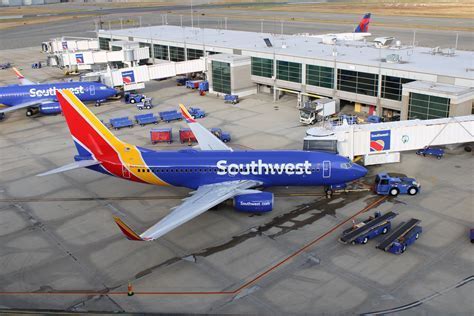
While unrelated to the seating overhaul on the surface, this investment signals a holistic effort by Southwest to position itself as a more modern, tech-forward, and reliable airline—without abandoning its cost-efficient DNA.
Lithium Battery Visibility Rule Enhances In-Flight Safety
Another newly introduced policy involves stricter regulations on portable charging devices. With lithium-ion battery incidents posing increasing risks across the global aviation sector, Southwest has now mandated that all personal power banks and charging devices be kept visible during use.
The policy allows cabin crew to quickly identify overheating issues or device malfunctions. It’s a proactive safety measure aligned with evolving FAA guidelines and the standards of other global carriers. While subtle, it underscores the airline’s renewed focus on customer safety—an essential pillar in its rebranding effort.
This policy, like the seating update, is accompanied by revised inflight briefings, digital signage, and staff training modules, reflecting a wider effort to refresh the customer experience across all touchpoints.
Rethinking Baggage Benefits: Loyalty Over Universality
Historically, Southwest’s baggage policy—allowing two free checked bags per passenger—was one of its strongest competitive advantages. It offered clear value and simplified the cost comparison for customers choosing between carriers. However, this policy too is being restructured to match the changing economics of air travel.
As of May 28, 2025, Southwest has limited its generous baggage benefit to select fare categories and loyalty program members. For the average traveler, this means that free baggage will no longer be automatic, but rather a perk tied to fare class or tier status.
This realignment not only allows Southwest to generate new ancillary revenue streams, but also encourages greater enrollment in its loyalty programs and pushes more passengers toward premium fare classes—both of which directly support the airline’s modernized business model.
While some frequent flyers may mourn the end of this universal benefit, others will likely welcome the additional incentives and upgraded experience provided under the new structure.
A Strategic Pivot with Long-Term Implications
All of these policy updates—assigned seating, premium offerings, safety protocols, and baggage rules—are part of a cohesive, strategic shift aimed at redefining Southwest Airlines’ place in the U.S. aviation landscape. The transformation suggests a departure from the “every seat is the same” ethos that once made the airline a darling of low-cost travel.
Instead, Southwest is now positioning itself as a hybrid model: affordable yet customizable, consistent yet innovative, reliable yet responsive to individual needs. By investing in infrastructure, technology, and brand storytelling, the airline is staking its future on a refined, customer-centric identity.
Will Customers Embrace the Change?
The big question facing Southwest as it moves into 2026 is whether its traditional customer base will accept or resist these fundamental changes. Long known for fostering a casual, egalitarian travel experience, Southwest has differentiated itself in an industry where hierarchies and fees dominate.
The open boarding process had its drawbacks, but it also offered a unique selling proposition. Losing that could mean surrendering part of the airline’s original charm. However, the broader market trends—and especially the post-COVID consumer psychology—seem to favor transparency, comfort, and predictability over quirky novelty.
Early reactions from industry analysts are cautiously optimistic. With proper execution, phased implementation, and clear communication, Southwest could broaden its appeal and elevate its reputation without alienating loyal customers.
The Road Ahead
Looking ahead to 2026, the full-scale rollout of assigned and premium seating is expected to be accompanied by more digital upgrades, app features, and bundled service options. With real-time seat maps, tiered fare displays, and automated upgrade alerts, the Southwest of tomorrow will feel markedly different from the one that pioneered low-cost travel in the 1970s.
Yet at its core, the airline maintains that it will remain true to its founding promise: providing affordable, friendly air travel across the U.S. The tools and structures may evolve, but the mission endures.
Southwest’s decision to sunset open seating and usher in a modern, flexible, and revenue-savvy boarding system reflects more than just a tactical maneuver—it signifies a generational reinvention, designed to position the airline not just for survival, but for sustained relevance in the competitive skies of the future.