For decades, Southwest Airlines stood apart from nearly every major airline in the United States. While competitors layered their cabins with premium sections, complex boarding hierarchies, and endless fare categories, Southwest built its identity around simplicity. Passengers checked in, received a boarding position, lined up near numbered gate markers, and grabbed any open seat once onboard. The process was unconventional, sometimes chaotic, but unmistakably Southwest.
Then came January 27, 2026.
That was the day the airline officially abandoned one of the most recognizable boarding systems in commercial aviation and launched a completely redesigned structure centered around assigned seating, eight boarding groups, premium seating categories, and expanded loyalty perks. The move was intended to modernize Southwest’s product, attract higher-paying travelers, and align the airline more closely with what most passengers already expected from air travel.
Instead, the rollout triggered confusion, operational bottlenecks, and a surprisingly intense backlash from loyal customers. Within weeks, Southwest had already begun revising the very system it had just introduced.
The rapid rewrite revealed something important about airline operations: changing a boarding process is easy on paper. Changing passenger behavior, cabin psychology, and decades of brand identity is far more difficult.
Southwest did not merely replace open seating. It fundamentally changed how passengers compete for comfort, storage, priority, and status.
The result was a boarding overhaul that exposed the hidden complexity behind one of the airline industry’s simplest-looking systems.
After more than half a century of doing things differently, Southwest suddenly discovered that becoming a “normal” airline also meant inheriting normal airline problems.
Why Southwest Abandoned Its Famous Open-Seating Model
For years, Southwest defended open seating as a faster and more efficient system. Travelers could choose their own seats, which encouraged people to board quickly rather than linger in the aisle debating options. The system also minimized complicated boarding tiers because nearly everyone was competing for the same thing: the best remaining seat.
That operational logic helped Southwest maintain some of the fastest aircraft turnaround times in the industry.
But customer expectations evolved.
Modern travelers increasingly prefer assigned seating because it removes uncertainty before arriving at the airport. Families want guaranteed seating together. Business travelers want aisle seats without checking in exactly 24 hours before departure. Leisure travelers want reassurance that they will not end up squeezed into a middle seat several rows apart from companions.
Southwest’s own research reportedly showed that a majority of passengers preferred assigned seats.
At the same time, the airline faced mounting financial pressure to create more premium revenue streams. Competitors had proven that travelers would willingly pay extra for:
- Additional legroom
- Preferred seating locations
- Earlier boarding access
- Priority overhead bin space
- Flexible fare benefits
Open seating limited Southwest’s ability to monetize those preferences effectively.
The airline therefore introduced three new seat categories:
- Extra Legroom
- Preferred
- Standard
It also rolled out new fare bundles, expanded loyalty privileges, and redesigned boarding priorities.
On the surface, the transition looked logical. In practice, it completely changed passenger psychology inside the aircraft cabin.
The Real Problem Was Never The Seats — It Was The Overhead Bins
The biggest misunderstanding surrounding Southwest’s new system was the assumption that assigned seating would automatically reduce boarding stress.
In reality, the airline simply moved the anxiety from the seat to the overhead bin.
Under the old open-seating model, passengers searched simultaneously for both a seat and storage space. If overhead bins near the front were full, travelers could continue walking deeper into the cabin and select another available row.
The process naturally self-corrected.
Assigned seating eliminated that flexibility.
Now passengers walk directly to a predetermined row whether or not nearby bin space still exists. If the overhead compartment above their assigned seat is already occupied, travelers suddenly face awkward choices:
- Store bags several rows away
- Walk backward against boarding traffic
- Stop in the aisle searching for space
- Negotiate with other passengers
- Request help from flight attendants
Those interruptions slow the entire boarding process.
The change became even more problematic because Southwest simultaneously weakened one of its most famous policies: “bags fly free.”
For years, free checked baggage reduced pressure on cabin storage because many passengers simply checked their luggage instead of carrying roller bags onboard. Once baggage fees entered the equation, passenger incentives changed immediately.
More travelers began bringing larger carry-ons into the cabin to avoid extra costs.
That meant the overhead bins became the new battleground.
Suddenly, early boarding no longer guaranteed the best seat. It guaranteed the best chance of finding convenient storage space.
That distinction changed everything.
How Southwest Accidentally Created A Complex Passenger Hierarchy
One reason the rollout became so confusing was because Southwest introduced multiple overlapping priority systems at the same time.
Historically, Southwest was relatively simple. Customers either boarded earlier or later based mainly on check-in timing, loyalty status, or optional upgrades.
The new system introduced layers of competing priorities.
Passengers could now receive preferential treatment because they:
- Purchased a premium fare
- Bought an Extra Legroom seat
- Held elite Rapid Rewards status
- Owned a Southwest credit card
- Paid for priority boarding
- Qualified for loyalty perks
- Traveled under Companion Pass benefits
Each category created different expectations.
An A-List traveler expected loyalty recognition.
A customer paying for Extra Legroom expected premium treatment.
Credit card holders expected protected benefits.
Higher-fare passengers expected earlier access to overhead bins.
These groups did not always align cleanly.
For example, a traveler paying for an expensive Extra Legroom seat might board later than a frequent flyer sitting in a cheaper standard seat. Meanwhile, a credit card holder in a basic fare could still board earlier than someone without status or co-branded card benefits.
The result was a hierarchy far more complicated than Southwest customers were accustomed to navigating.
Instead of simplifying the travel experience, the airline inadvertently created a system requiring passengers to decode fare types, loyalty tiers, seating zones, and boarding groups simultaneously.
For a carrier whose brand identity was built around simplicity, that represented a dramatic cultural shift.
Why The Original Eight-Group Boarding System Struggled Immediately
Southwest’s first assigned-seating boarding structure divided passengers into eight numbered groups.
The idea mirrored boarding processes already common at airlines like Delta Air Lines, United Airlines, and American Airlines. Premium customers boarded first, followed by mid-tier passengers, then economy travelers.
Operationally, however, Southwest encountered a problem almost immediately.
Too many “important” passengers were concentrated near the beginning of the process.
Groups 1 and 2 became crowded with:
- Elite loyalty members
- Premium fare customers
- Extra Legroom seat buyers
- Priority boarding travelers
That created congestion both at the gate and inside the aircraft.
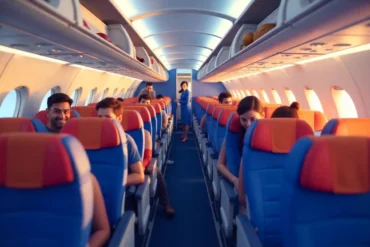
Passengers clustered heavily around forward cabin sections and exit rows, where many premium seats were located. Multiple travelers simultaneously attempted to store bags in the same limited overhead compartments.
Instead of creating smoother flow, the system often produced aisle bottlenecks.
Flight attendants reportedly spent increasing amounts of time helping passengers relocate luggage, resolve storage disputes, and reorganize bins.
Gate agents also faced growing frustration from travelers assigned later boarding groups who feared losing overhead space despite already having assigned seats.
The irony became impossible to ignore.
Southwest introduced assigned seating partly to reduce stress and modernize the experience. Yet passengers quickly discovered that the pressure simply shifted toward baggage storage competition.
The Psychological Shift That Southwest Underestimated
Airline boarding systems are not just operational procedures. They are behavioral systems shaped by human psychology.
That is precisely where Southwest underestimated the impact of its redesign.
Under open seating, uncertainty existed before boarding. Travelers worried about finding desirable seats, but once seated, most stress disappeared.
Assigned seating reversed the equation.
Passengers now knew exactly where they would sit before stepping onboard. However, uncertainty remained around overhead bin availability.
That subtle difference dramatically changed passenger behavior.
Instead of calmly boarding toward guaranteed seats, many travelers became hyper-focused on protecting carry-on space near their assigned rows. Passengers boarded earlier not because they feared losing seats, but because they feared losing storage convenience.
That distinction created more defensive boarding behavior.
Travelers stopped quickly in aisles when nearby bins appeared full. Some stored bags prematurely in forward compartments rather than risk running out of space later. Others ignored unofficial cabin etiquette regarding which bins “belonged” to which rows.
The tension intensified around Extra Legroom seating.
Passengers paying premium prices increasingly expected overhead storage near their seats to remain available exclusively for them. But without clear enforcement mechanisms, earlier boarding passengers sometimes occupied those compartments first.
The result was friction Southwest rarely experienced under open seating.
The March 2026 Changes Focused On Passenger Flow And Storage Protection
By late February and early March, Southwest acknowledged that refinements were necessary.
The airline introduced several key adjustments aimed at restoring smoother boarding flow while protecting premium products more effectively.
One of the most important changes involved better-balanced boarding groups.
Rather than clustering too many priority passengers into the earliest waves, Southwest redistributed certain categories to reduce congestion near jet bridges and forward cabin sections.
This adjustment targeted one major operational issue: aisle clumping.
When too many premium passengers board simultaneously, they often head toward the same parts of the aircraft. That creates traffic jams as travelers stop to place bags, verify seat assignments, and negotiate storage space.
Balancing group sizes improved movement throughout the cabin.
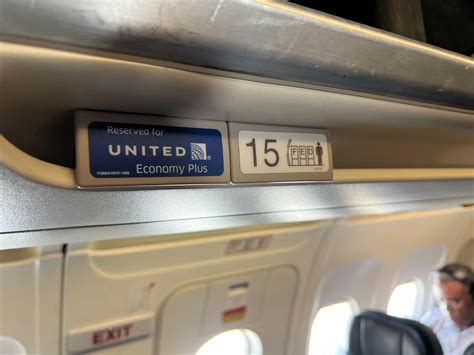
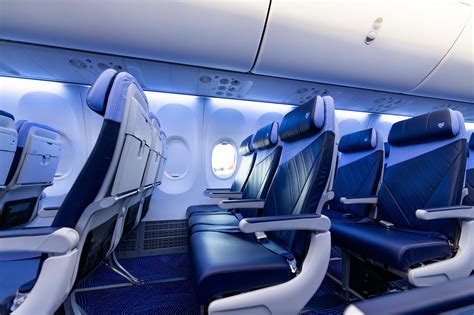
Southwest also introduced dedicated overhead bin signage above Extra Legroom rows. Those bins became effectively reserved for passengers sitting in those premium seats.
This marked a major philosophical shift for the airline.
Historically, Southwest treated overhead compartments as shared communal space. The new approach transformed certain bins into premium assets tied directly to paid seating products.
That mirrors practices already common among legacy airlines where premium cabin passengers expect protected storage access.
The change was not merely cosmetic. It acknowledged that overhead space itself had become monetizable.
Larger Boeing 737 Overhead Bins Became Part Of The Solution
Boarding logic alone could not solve Southwest’s storage problem.
Physical aircraft limitations still mattered.
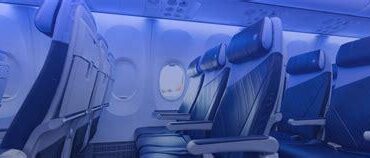
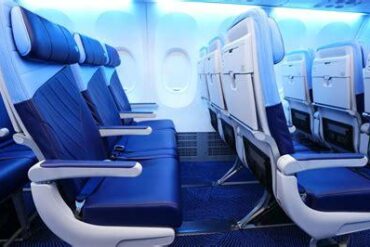
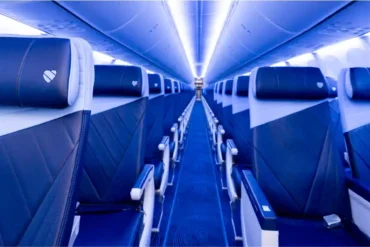
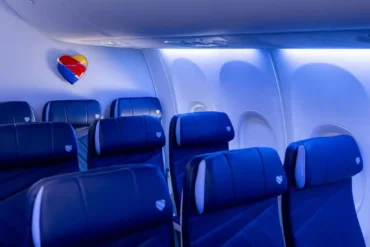
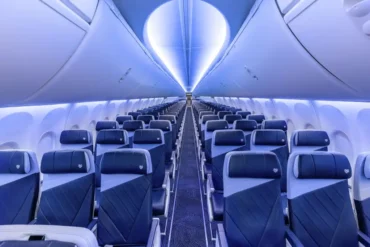
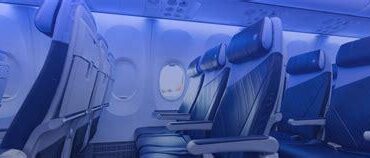
That is why the airline simultaneously accelerated cabin retrofits featuring larger overhead bins across its Boeing 737 fleet. The upgraded compartments reportedly increase storage capacity by roughly 50%, significantly improving the odds that passengers can place bags near assigned seats.
This infrastructure upgrade is critical.
Without additional storage space, even the most carefully designed boarding sequence eventually breaks down. Passengers will still gate-check bags unexpectedly. Flight attendants will still mediate disputes. Boarding delays will still occur once bins reach capacity.
Larger compartments provide operational breathing room.
They also reduce the emotional tension surrounding boarding groups because passengers become less fearful that overhead space will disappear immediately after early boarding waves.
Southwest reportedly aims to equip most of its fleet with these expanded bins by the end of the year.
That investment highlights how deeply interconnected airline operations truly are. Boarding efficiency is not determined solely by policy. Aircraft interior design plays an equally important role.
Why Loyalty Members Forced Another Rewrite In April
The next significant adjustment arrived in late April 2026.
This version focused heavily on protecting Southwest’s most valuable customers: Rapid Rewards A-List and A-List Preferred members.
The revised structure granted A-List Preferred travelers boarding access before Group 1 entirely. Standard A-List members boarded in Group 1 alongside Choice Extra fare customers.
Importantly, elite benefits could also extend to companions traveling under the same reservation.
That change revealed another pressure point Southwest encountered during the rollout: loyalty dissatisfaction.
Frequent flyers represent the backbone of airline profitability. They travel repeatedly, spend heavily, and often influence corporate travel purchasing decisions.
If those passengers perceive declining value in loyalty benefits, airlines face serious retention risks.
Under the original assigned-seating system, some elite travelers reportedly felt their advantages had become diluted. Assigned seats reduced one traditional perk of boarding early because seats were no longer up for grabs.
That meant overhead bin access effectively became the new elite benefit.
By moving A-List members earlier in the process, Southwest reinforced the idea that loyalty still delivers meaningful practical advantages.
The airline recognized that elite passengers were not merely buying seats. They were buying predictability, convenience, and smoother travel experiences.
How Southwest’s Identity Crisis Became Visible Through Boarding
What makes this transition fascinating is that it exposed a deeper identity conflict inside Southwest Airlines.
For decades, Southwest succeeded precisely because it avoided becoming like other airlines. Its simplicity became a competitive advantage.
Open seating reinforced that identity.
The new system moves Southwest much closer to the operational model used by traditional network carriers. Premium seating, fare stratification, protected bin space, elite boarding hierarchies, and credit-card-driven privileges now dominate the experience.
In many ways, Southwest is evolving from a purely egalitarian low-cost carrier into a hybrid airline balancing simplicity with premium monetization.
That transformation carries risks.
Longtime loyal customers often valued Southwest specifically because it felt different from competitors. The airline’s culture emphasized accessibility, informality, and operational straightforwardness.
The assigned-seating rollout challenged all three.
Passengers suddenly encountered complex boarding charts, layered fare bundles, and premium distinctions that once seemed intentionally absent from the Southwest experience.
Even if operational improvements continue, the emotional adjustment may take much longer.
Brand habits built across fifty years rarely disappear within a few months.
Why Boarding Efficiency Matters More Than Most Passengers Realize
To travelers, boarding may feel like a routine inconvenience. For airlines, it is a major economic variable.
Every additional minute an aircraft spends at the gate costs money.
Slower boarding affects:
- Aircraft utilization
- Crew scheduling
- On-time performance
- Fuel planning
- Airport gate availability
- Passenger connections
Southwest historically excelled because fast turnarounds allowed aircraft to spend more time flying and less time sitting idle.
That operational efficiency became central to the airline’s low-cost structure.
Any boarding disruption therefore has ripple effects throughout the network.
The assigned-seating transition complicated that equation because passengers now behave differently inside the cabin. Instead of continuously moving while scanning for open seats, travelers stop precisely at assigned rows regardless of storage conditions.
That subtle behavioral change slows flow dramatically once overhead bins approach capacity.
The issue becomes especially severe on full flights where nearly every passenger brings a roller bag onboard.
Even small delays accumulate quickly across hundreds of daily departures.
This explains why Southwest reacted so rapidly after launch. The problem was not merely customer complaints on social media. It directly threatened operational efficiency.
The New Southwest Boarding Reality For Passengers
Today’s Southwest passenger experience differs dramatically from what existed only a year ago.
Boarding strategy still matters, but the objective has changed completely.
Under open seating, early boarding improved seat selection.
Under assigned seating, early boarding primarily protects access to convenient overhead storage.
Passengers with the strongest protection now include:
- A-List Preferred members
- A-List members
- Choice Extra fare customers
- Extra Legroom passengers
- Southwest credit card holders
- Priority boarding purchasers
Meanwhile, travelers booking Basic fares without status or card benefits face the highest likelihood of gate-checking carry-on bags during crowded flights.
That creates a more segmented travel experience than Southwest historically offered.
The airline has essentially adopted many of the same dynamics already familiar at legacy carriers:
- Premium cabin expectations
- Loyalty-driven privileges
- Overhead bin competition
- Boarding group anxiety
- Fare-based hierarchy
- Credit-card influence
The difference is that Southwest customers are adapting to these realities much more suddenly than passengers at competing airlines ever did.
Can Southwest Eventually Make The System Work Smoothly?
The answer is probably yes, but not immediately.
Over time, passengers will learn the new rules, adjust expectations, and modify boarding behavior accordingly. Larger overhead bins will reduce pressure. Boarding groups will continue evolving. Operational refinements will likely become more sophisticated.
Most major airlines experienced turbulence when implementing major cabin or boarding changes.
What makes Southwest unique is the emotional attachment passengers had to the old system.
Open seating was not just a process. It was part of the airline’s identity.
Replacing it meant rewriting decades of customer habits all at once.
That is why the first rollout struggled so visibly.
Southwest attempted to modernize seating, monetize premium products, expand loyalty incentives, restructure fares, adjust baggage behavior, and redesign boarding psychology simultaneously. Each change affected the others.
The airline discovered that airline boarding systems are delicate ecosystems. Alter one variable, and unexpected consequences appear elsewhere.
Assigned seating solved some problems, especially for travelers who disliked the uncertainty of open seating.
But it also created new forms of competition centered around storage space, boarding order, and premium entitlement.
The seat may now be assigned before takeoff, but one thing has not changed at all inside Southwest cabins:
Passengers still desperately want to board early.