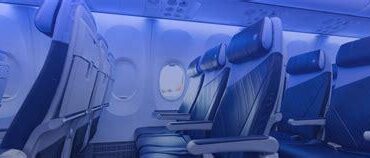
Southwest Airlines built its reputation on simplicity, speed, and a boarding process that felt almost rebellious in an industry addicted to rigid structure. For more than half a century, the airline’s open-seating model wasn’t just a policy — it was a cultural signature. That signature is now under intense pressure. Customer uproar over Southwest’s new assigned seating policy has forced the carrier to rethink key elements of its rollout, and the adjustments underway reveal far more than operational fine-tuning. They expose a delicate balancing act between modernization and brand identity.
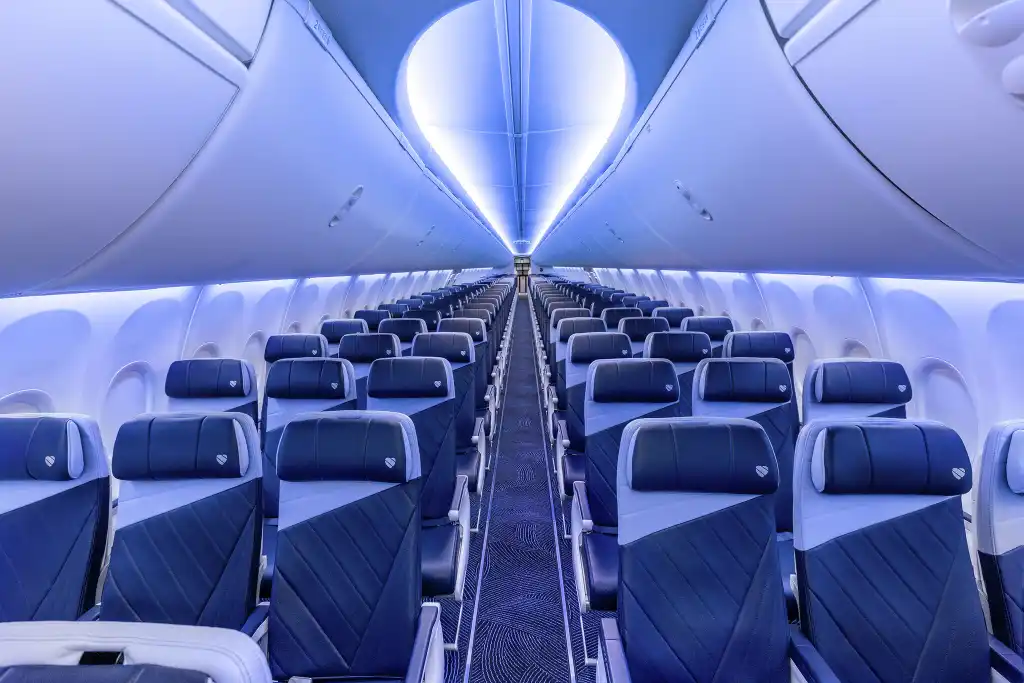
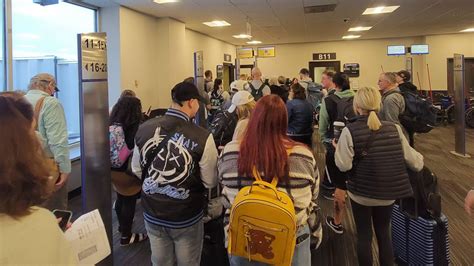
The shift officially began on January 27, 2026, when Southwest Airlines introduced assigned seating across its network, ending decades of the open-boarding ritual that had defined the flying experience. Passengers once lined up in groups, boarded in sequence, and chose any available seat. It was efficient, egalitarian, and at times chaotic — but it worked. Now, with assigned seats, structured boarding groups, and new fare bundles ranging from Basic to Extra Legroom options, the airline is aligning itself more closely with competitors.
What seemed like a logical evolution has instead triggered sharp resistance. Loyal flyers, particularly frequent travelers who had mastered the art of the 24-hour check-in scramble, suddenly found themselves navigating unfamiliar rules, unexpected friction, and a boarding process that felt slower rather than smoother.
The Assigned Seating Shift That Sparked Customer Backlash
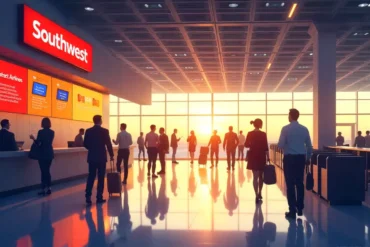
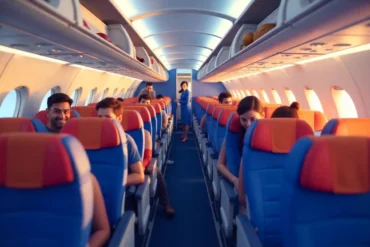
The most visible friction point has been overhead bin access. Under the old open-seating system, passengers gravitated toward their preferred seat and placed carry-on bags directly above or near it. The cabin self-organized with surprising efficiency. Now, boarding groups are tied to seat assignments and fare tiers, and passengers often find bin space near their assigned seat already occupied by those who boarded earlier.
The result is predictable but frustrating: travelers walking against traffic to retrieve bags upon landing, delayed deplaning, and an erosion of the quick turnaround times that made Southwest operationally formidable. For an airline that prides itself on efficiency, even minor slowdowns ripple across the network.
Family seating has emerged as another flashpoint. Open seating naturally allowed families to cluster together if they boarded as a unit. With assigned seating, automated seat allocation has occasionally split parents and children unless passengers actively select seats in advance, sometimes requiring additional fees. The emotional impact of that shift has been immediate. Families accustomed to flexibility now face the anxiety of separation — a small detail with outsized consequences.
The backlash gained momentum across social platforms and travel forums, forcing the Dallas-based carrier to publicly acknowledge the operational turbulence. The airline has confirmed it is closely monitoring customer input and adapting in real time.
Operational Adjustments: What Southwest Is Changing Now
The airline’s response is not cosmetic. It involves structural changes designed to ease friction while preserving speed.
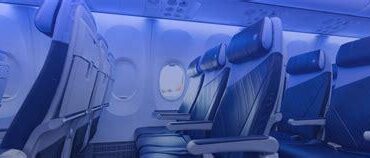
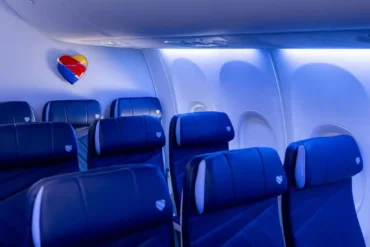
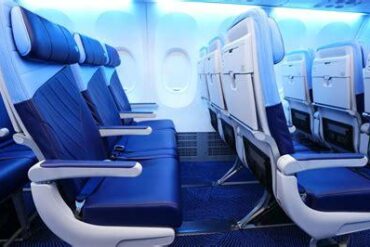
One of the most significant upgrades underway is the installation of larger overhead bins across much of the fleet by the end of 2026. These redesigned compartments are expected to hold up to 50 percent more bags, directly addressing the root cause of bin competition. Signage will also designate overhead space above Extra Legroom seats, reinforcing predictability for higher-fare passengers.
Boarding group logic is being refined to better align seat location with boarding order. The aim is to ensure that passengers seated toward the rear do not consistently board too late to access nearby bin space. This recalibration attempts to merge fairness with practicality — a difficult equation in a high-volume domestic network.
Another controversial change involves relocating overhead bin space reserved for cabin crew toward the rear of the aircraft. While intended to free up forward cabin space for passengers, the adjustment has reportedly drawn criticism from flight attendant representatives. Operational efficiency does not exist in isolation; employee workflows matter as much as passenger perception.
These refinements underscore a critical truth: assigned seating is not inherently flawed, but its integration into Southwest’s unique operating model requires nuance.
Revenue Strategy Meets Cultural Identity
Behind the operational recalibration lies a broader strategic transformation. Assigned seating is only one element of a wider shift that includes new fare bundles and baggage fee adjustments. For decades, the airline differentiated itself through clarity: two free checked bags, no seat assignments, straightforward pricing. That simplicity fostered intense loyalty.
The introduction of structured fare tiers mirrors industry trends. Across the United States airline market, ancillary revenue — income from seat selection fees, early boarding privileges, and extra legroom upgrades — has become central to profitability. Business travelers, in particular, value knowing their exact seat location at the time of booking. Predictability reduces stress and aligns with corporate travel expectations.
From a revenue perspective, the logic is sound. From a brand perspective, it is risky.
When an airline’s identity is built on doing things differently, moving toward standardization can blur its distinctiveness. The more Southwest resembles legacy carriers in structure, the harder it becomes to justify its historical brand narrative.
This tension explains the intensity of customer reaction. The uproar is not merely about overhead bins. It reflects concern that the airline’s character is evolving too quickly, too dramatically.
The Psychology of Passenger Expectations
Air travel is an emotional experience disguised as a logistical one. Policies that seem minor on paper can trigger disproportionate reactions because they alter rituals. Southwest’s open seating was a ritual. Frequent flyers understood how to optimize boarding position. Families felt empowered by flexibility. The system rewarded attentiveness and planning rather than fare class alone.
Assigned seating replaces that ritual with predictability — but also hierarchy. Fare bundles now influence boarding order and seat proximity to premium space. While common elsewhere, this stratification feels foreign within Southwest’s historic framework.
The airline must now manage a delicate transition period. Habits built over 50 years do not evaporate in a single policy update. Customer education, operational consistency, and visible improvements will determine whether frustration subsides or hardens into long-term dissatisfaction.
Can Southwest Protect Its Competitive Edge?
The competitive landscape leaves little room for miscalculation. Domestic carriers operate within thin margins, intense competition, and fluctuating demand. Standardizing elements like assigned seating can streamline pricing strategy and align with global norms. Yet uniformity carries a cost: differentiation.
If Southwest successfully integrates larger bins, optimizes boarding groups, and ensures family seating remains intuitive, the assigned seating model could ultimately enhance efficiency while preserving its famously friendly atmosphere. The airline’s strong culture and employee engagement provide structural advantages that competitors struggle to replicate.
Failure, however, would push the carrier closer to industry homogeneity — another airline with tiered fares and crowded cabins, stripped of its once-iconic boarding personality.
The Road Ahead for Southwest’s Seating Policy
Change at this scale is rarely smooth. The customer uproar that followed Southwest’s assigned seating rollout has forced swift recalibration, but it has also sparked a broader conversation about what passengers truly value: speed, simplicity, fairness, and identity.
Assigned seating may well become the new normal across the fleet. Larger bins will reduce friction. Smarter boarding algorithms will restore some of the efficiency that made Southwest distinctive. Families will adapt to seat selection norms.
The deeper question is cultural, not operational. Can Southwest Airlines’ assigned seating policy evolve without eroding the emotional loyalty that fueled decades of growth? The airline’s willingness to refine its approach suggests leadership understands the stakes.
In aviation, policies shape perception as much as performance metrics. Southwest’s next moves will determine whether assigned seating becomes a footnote in a successful modernization story — or a defining moment in the transformation of an airline that once proudly flew against the grain.