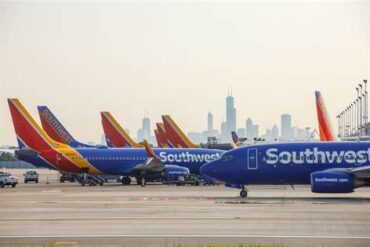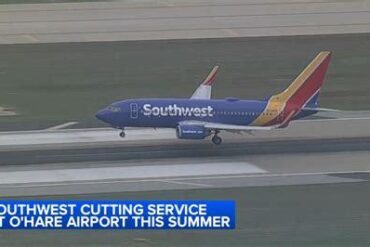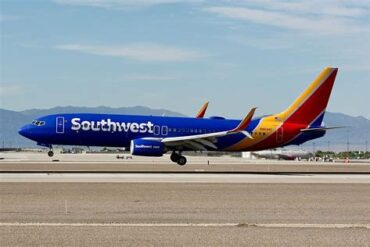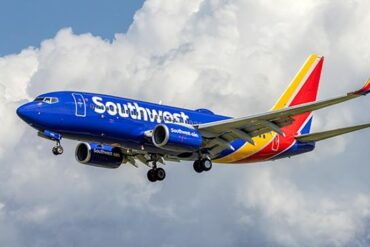
Southwest Airlines is taking a historic step by introducing assigned seating, marking a significant departure from its long-standing open seating model. Beginning January 27, 2026, travelers flying between Chicago-Midway International Airport and Orlando International Airport will be among the first to experience this new feature. This move represents one of the most notable changes in the airline’s operational history, aligning its services more closely with other major U.S. carriers and catering to evolving customer expectations.
Why Assigned Seating Matters for Travelers
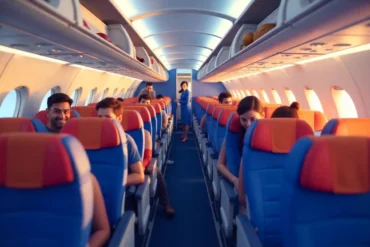
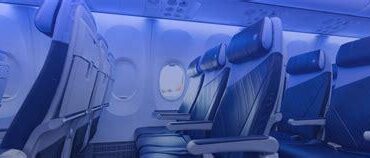
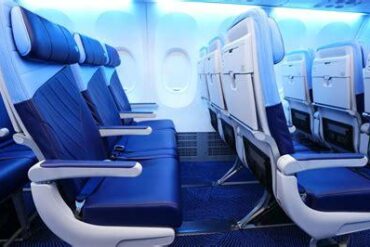
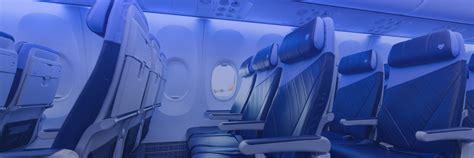
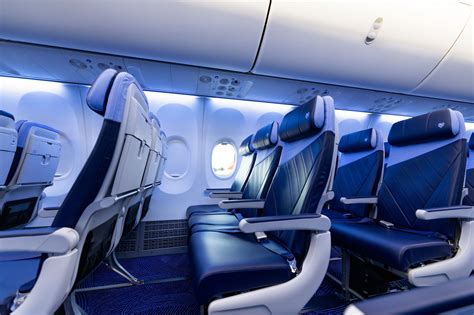
For decades, Southwest Airlines has maintained its open seating policy, where passengers select any available seat upon boarding. While this approach fostered a sense of flexibility, it often left travelers anxious about where they might end up sitting, especially those traveling in groups or with children. The new assigned seating system eliminates this uncertainty, allowing customers to choose their seats in advance when purchasing certain ticket bundles. This option includes access to Extra Legroom seating, appealing to travelers who value comfort on their journey.
This evolution gives customers greater control over their flying experience. Families can now ensure they are seated together without relying on early boarding or scrambling for adjacent seats. Business travelers will benefit from the added predictability, making their trips smoother and more efficient.
Implementation Details and Ticketing
Starting January 27, 2026, passengers booking eligible ticket bundles will have the ability to pre-select their seats. Those who choose standard fares without assigned seating will still receive a seat assignment at check-in, ensuring a fair process for all passengers. Southwest Airlines has emphasized that this change will not impact base fare pricing. For example, a Chicago-Midway to Orlando one-way flight on January 13, 2026, remains priced at $199, matching the fare after the assigned seating policy begins.
This careful approach ensures that loyal Southwest customers continue to enjoy affordable fares, while those seeking a more personalized experience have the option to do so. Importantly, this update maintains the airline’s reputation for value-driven travel without compromising affordability.
Changes to the Boarding Process
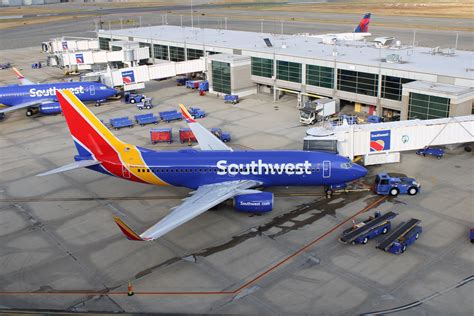
Southwest’s current boarding system, which assigns boarding numbers based on check-in time, frequent flyer status, and purchased boarding upgrades, will undergo notable adjustments. Boarding will now be conducted by groups, much like other major U.S. carriers, streamlining the process and reducing the confusion often experienced by infrequent travelers. This new procedure is designed to create a more orderly and efficient boarding experience, minimizing the chaos often associated with open-seating flights.
The switch to group-based boarding also aligns with industry norms, providing consistency for passengers who frequently travel across multiple airlines. This makes the overall experience smoother, especially for those who switch between carriers and no longer need to adapt to a completely different boarding protocol.
Strategic Shift for Southwest Airlines
This policy change signifies more than a simple operational update. It reflects a strategic shift for Southwest Airlines, which has traditionally positioned itself as an outlier in the industry. As passenger expectations evolve, particularly in terms of comfort and convenience, Southwest is making targeted adjustments to stay competitive while preserving its core identity as a low-cost, customer-friendly airline.
The decision to implement assigned seating is rooted in extensive customer feedback and market analysis. Modern travelers increasingly prioritize certainty and control, and Southwest’s new model responds directly to those needs. By blending traditional Southwest flexibility with more structured seating arrangements, the airline positions itself for growth in a competitive market.
Benefits for Different Traveler Segments
This change will particularly benefit:
- Families: They can pre-book adjacent seats, ensuring a stress-free experience.
- Business Travelers: Enhanced efficiency and predictability help streamline tight schedules.
- Frequent Flyers: Consistent boarding protocols make multi-airline travel easier.
- Comfort Seekers: Access to Extra Legroom seats enhances in-flight comfort.
For these groups, assigned seating provides a clear value-add without compromising the affordability and service quality that Southwest passengers have come to expect.
Impact on the Airline Industry
Southwest’s decision to embrace assigned seating also signals a broader industry trend. As airlines increasingly focus on customer experience personalization, Southwest’s shift underscores how even well-established brands must evolve to meet changing market demands. This new approach will likely influence competitive dynamics, pushing other carriers to reassess how they balance flexibility, affordability, and structured seating.
Looking Ahead
As the assigned seating policy rolls out in January 2026, passengers on the Chicago-Midway to Orlando route will serve as early adopters of this transformation. If the new model proves successful, it is expected to extend across more Southwest routes, permanently reshaping the airline’s identity while retaining the hallmarks of flexibility and low-cost travel that have defined it for decades.
This landmark decision reflects Southwest Airlines’ commitment to listening to its customers and adapting to a shifting travel landscape. With the integration of assigned seating, the airline delivers a more predictable, stress-free experience without sacrificing its competitive pricing edge.
Conclusion
Starting in January 2026, Southwest Airlines will no longer be the only major U.S. carrier without assigned seating. This strategic pivot brings greater certainty, comfort, and control to travelers, especially those flying between Chicago-Midway and Orlando, while preserving the airline’s trademark affordability. It marks a pivotal chapter in the airline’s evolution, demonstrating that Southwest remains committed to meeting passenger expectations in an ever-changing aviation landscape.
For travelers, this means a smoother, more reliable flight experience, ensuring that every journey starts with confidence and comfort.