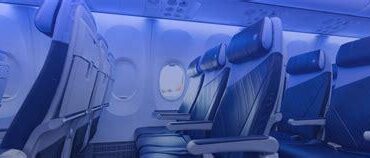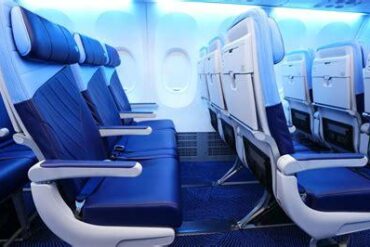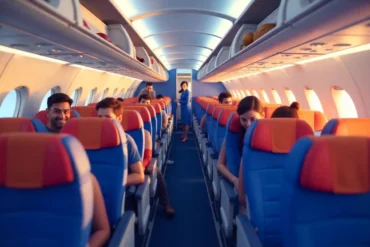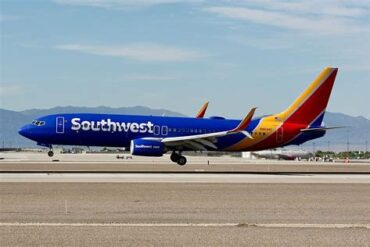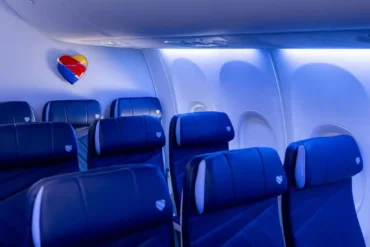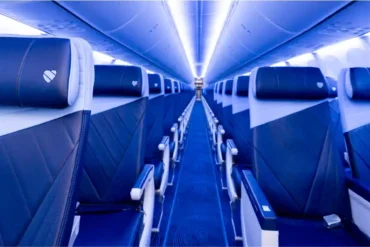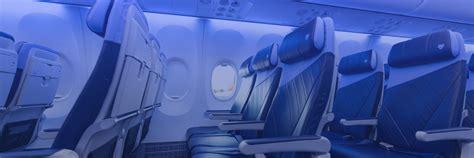
For over five decades, Southwest Airlines has been a bastion of casual, low-cost air travel—defined in part by its iconic open seating policy. But a historic shift is underway. In a landmark move, Southwest will abandon open seating in favor of assigned seats, beginning in Q1 2026, with ticket bookings starting as early as Q3 this year. The announcement, met with mixed reactions, is being introduced to the public through a quirky and exuberant new ad campaign aptly titled “Are You Sitting Down?”
The End of a Southwest Tradition
Since its founding in 1967, Southwest’s open-seating model allowed passengers to choose any available seat once they boarded the aircraft—a practice that stood as both a unique brand identity and a logistical advantage for quick turnarounds. But times are changing. According to internal studies cited by Southwest, 80% of customers actually prefer assigned seating, often citing stress and frustration around boarding as key drawbacks of the current system.
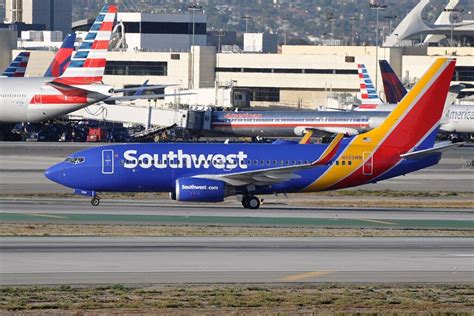
This bold step, though disruptive to long-time loyalists, aligns the carrier more closely with industry norms and makes Southwest more competitive with full-service airlines. CEO Bob Jordan insists the change is not revolutionary but evolutionary: “I don’t worry about customer defection… these are industry-standard moves.”
‘Are You Sitting Down?’: Humor Meets Strategy
To communicate this pivot without sparking panic, Southwest has rolled out its “Are You Sitting Down?” ad campaign, developed by GSD&M, the creative agency behind many of the airline’s iconic marketing efforts. The campaign strikes a light-hearted, tongue-in-cheek tone, using hyperbolic scenarios to downplay what could otherwise be seen as a seismic shift in brand philosophy.
The 30-second spots show everyday people reacting with exaggerated enthusiasm to the announcement of assigned seating. From smashing watermelons in supermarkets to leaping over office cubicles, characters shout “Assigned seating!” in glee. One finishes with the punchline, “I can’t believe nobody’s ever thought of this before,” poking fun at the airline’s own delay in adopting a standard industry practice.
The campaign is airing across TV, digital, and social media platforms throughout the summer, targeting both existing customers and a broader audience of travelers who may have avoided Southwest due to its previous seating policy.
Fare Bundles and the Three-Tier Seat System
The shift to assigned seating is not a standalone change. It forms part of a broader overhaul of Southwest’s fare bundles, which will now include three distinct seat types:
Standard
Standard legroom seats (31″ pitch) located at the back of the cabin. These can be booked through either Choice or Basic tickets, though only Choice fares allow seat selection prior to check-in.
Preferred
Identical in legroom but positioned forward of the wing for earlier boarding and faster deplaning. These come with fully refundable Choice Preferred fares.
Extra Legroom
Seats with up to five additional inches of legroom, available in the front rows and at over-wing exits. Bundled into the Choice Extra fare, these seats also include premium snacks and drinks, two checked bags, and complimentary Wi-Fi.
This tiered structure mirrors that of legacy carriers and is an intentional step toward attracting higher-yield customers, including business and premium leisure travelers who may have previously favored Delta, United, or American Airlines.
What This Means for the Southwest Brand
The implications of these changes are profound. Southwest has long differentiated itself on simplicity, affordability, and customer-first perks—from two free checked bags to no change fees. Assigned seating, while not inherently negative, represents a symbolic departure from that legacy.
In recent years, Southwest has been facing mounting pressure from both investors and competitors to modernize. Its struggles in the business travel segment have been well documented, particularly post-COVID, as corporate clients demand a more polished, predictable experience.
But will these changes alienate its core customer base? There’s already considerable online backlash. Forums and travel communities are awash with criticism over what many perceive as the dismantling of a beloved, if quirky, airline culture.
The Domino Effect: Other Policy Changes
Assigned seating is only part of a sweeping transformation. Other key changes rolling out in parallel include:
- Rapid Rewards Devaluation: Lower-tier fare categories will now earn fewer loyalty points, while Choice Extra fares will benefit from bonus accruals.
- Baggage Fees Return: The cherished “Bags Fly Free” policy is being diluted. Only Choice Extra ticket holders will avoid baggage fees.
- Modified Fare Flexibility: Basic fares will now have limited or no refund/change options, and flight credits will begin to expire—a sharp contrast to previous policies.
Industry Reactions and Competitive Dynamics
Southwest’s competitors have been quick to respond. Delta President Glen Hauenstein took a measured tone, noting that “some customers who chose Southwest are now up for grabs.” Meanwhile, United CEO Scott Kirby was less restrained, likening the elimination of free checked bags to “the slaying of a sacred cow.”
This competitive interest underscores just how pivotal these changes could be in reshaping customer loyalty in the low-cost segment. For now, Southwest is gambling that a combination of assigned seating and premium fare options will be enough to win over new passengers without alienating too many existing ones.
A Calculated Risk in a Volatile Market
With the airline industry under constant strain from volatile fuel prices, labor shortages, and shifting customer expectations, Southwest’s decision reflects both market responsiveness and strategic risk-taking. While it may seem counterintuitive for a low-cost carrier to lean into fare segmentation and premium services, the model has proven successful for hybrid airlines like JetBlue and Alaska.
For now, the jury is out. If executed seamlessly, assigned seating could eliminate one of the biggest stress points in the Southwest passenger journey. However, how the airline handles the transition period—both in operations and in customer service—will ultimately determine the success or failure of this bold transformation.
What to Watch Next
As the first wave of assigned-seat tickets becomes available in the next quarter, all eyes will be on consumer adoption metrics, satisfaction surveys, and fare price elasticity. Additionally, competitors will be watching closely for customer churn opportunities, especially among Southwest’s most loyal flyers.
Southwest may be sitting down, but it is certainly not slowing down. Whether this new approach will cement its future as a next-generation low-cost leader or fracture its long-standing rapport with travelers remains to be seen. What’s clear is this: the skies just got more interesting.