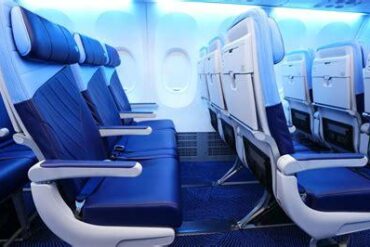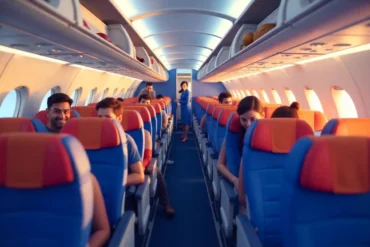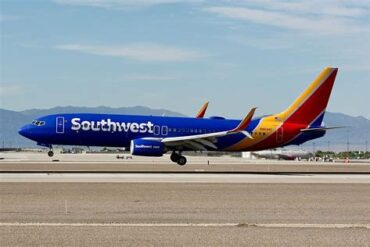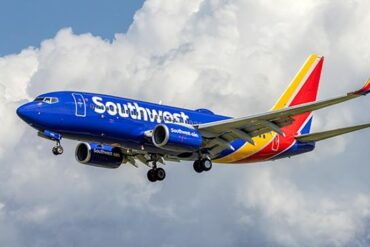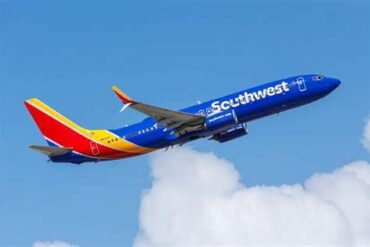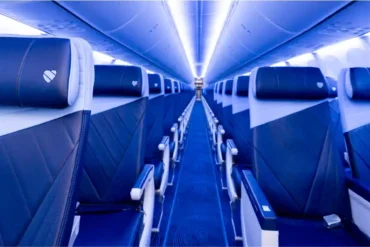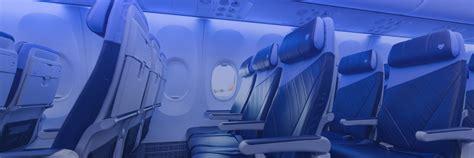
Southwest Airlines is preparing to make one of the most significant operational changes in its 54-year history by adopting assigned seating starting January 27, 2026. This landmark decision, part of the carrier’s broader transformation plan dubbed “Southwest. Even Better,” will align the Dallas-based airline with the rest of the U.S. aviation industry and redefine its customer experience.
For decades, Southwest’s open seating policy was a hallmark of its brand, offering travelers a first-come, first-served model that encouraged quick boarding but often left late-boarding passengers scrambling for the least desirable middle seats. This long-standing approach is now set to be replaced with a structured assigned seating system designed to enhance passenger comfort, provide more predictability, and improve overall operational efficiency.
Why Southwest Is Changing Course
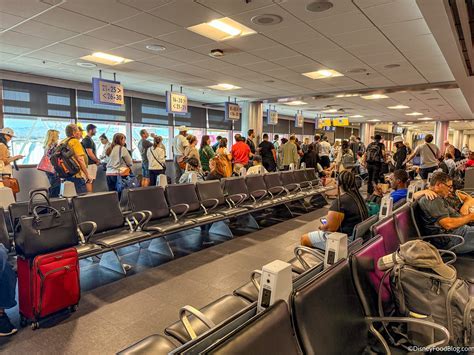
The decision to implement assigned seating follows years of customer feedback indicating a strong preference for more control over seat selection. While some passengers appreciated the flexibility of open seating, many voiced frustration with the unpredictability, particularly on longer flights where seating comfort plays a larger role. Families often struggled to find seats together, and business travelers seeking strategic aisle or window seats frequently found themselves at the mercy of boarding order.
Southwest’s pivot represents a direct response to these concerns and reflects an evolving understanding of modern travelers’ expectations. This new approach promises greater peace of mind for passengers who can now secure their seat choices in advance rather than depending on their boarding position.
New Fare Bundles to Enhance Seat Selection
Accompanying the shift to assigned seating, Southwest will introduce a redesigned fare structure, offering customers a range of seating options tailored to different needs and budgets. The four-tier bundle system will include:
- Basic Fare: Standard seating assigned at check-in, maintaining affordability for price-sensitive travelers.
- Choice Fare: Seat selection during booking, giving passengers control over location preferences.
- Choice Preferred Fare: Access to preferred seats, catering to frequent travelers and those seeking more convenience.
- Choice Extra Fare: Extra legroom seating with additional perks, appealing to passengers prioritizing comfort.
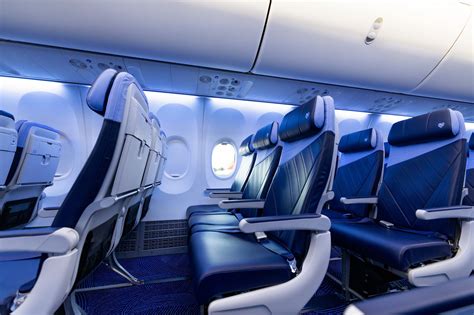
These bundles represent a major enhancement for Southwest’s product offering, allowing travelers to personalize their experience more effectively while maintaining the airline’s competitive pricing model.
Overhauling the Boarding Process
Alongside assigned seating, Southwest is revamping its boarding system. The airline’s traditional A, B, and C boarding groups — a system iconic to Southwest loyalists — will be replaced with eight numbered groups, ranging from 1 to 8, prioritizing boarding order based on fare type and loyalty status.
This group-based boarding approach is designed to reduce crowding, make the process more orderly, and enable passengers to get settled faster. Operationally, this smoother boarding experience is expected to shorten turnaround times, an important factor in maintaining Southwest’s industry-leading schedule reliability.
Industry Alignment and Competitive Pressures
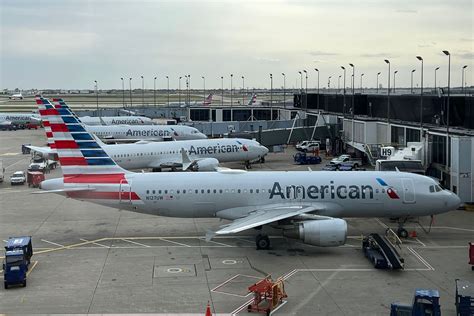
By transitioning to assigned seating, Southwest joins every other major U.S. carrier in offering passengers pre-selected seating, including Delta Air Lines, American Airlines, United Airlines, JetBlue Airways, and Alaska Airlines. These competitors already provide advanced seat selection, including access to premium economy, extra-legroom seats, and preferred cabin locations.
This move also mirrors trends in the low-cost sector. Notably, European budget carrier EasyJet switched from open seating to assigned seating in 2012, citing improved passenger satisfaction and smoother operations. The adoption of assigned seating by Southwest signifies a broader industry acknowledgment that travelers increasingly expect choice and predictability as part of their ticket purchase.
The Customer Impact: More Comfort, Less Stress
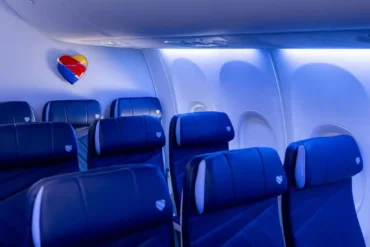
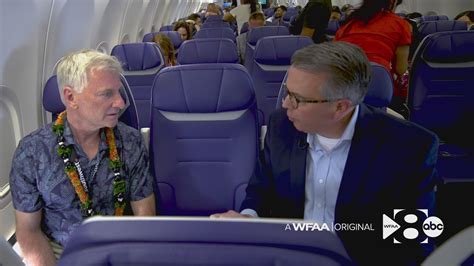
For passengers, this change translates to greater predictability and reduced anxiety. No longer will travelers need to rush to secure the best spots or settle for middle seats due to late boarding. Families will find it easier to sit together without navigating the chaotic scramble of open seating, and business travelers can reliably secure their preferred seat positions for productivity or convenience.
Southwest’s new extra legroom options further enhance the customer experience, making flights more comfortable, especially for those flying longer routes. This change is poised to elevate Southwest’s appeal to corporate clients and frequent flyers who prioritize comfort without transitioning to a full-service legacy carrier.
Operational Benefits: Efficiency and Sustainability
Southwest expects the streamlined boarding process to yield significant operational gains. By assigning seats in advance and boarding in structured groups, the airline anticipates faster aircraft turnarounds, fewer gate delays, and improved on-time performance.
Moreover, these changes coincide with Southwest’s fleet modernization efforts, including the introduction of the fuel-efficient A320neo family aircraft. This dual strategy—enhanced operational efficiency and environmentally friendly fleet updates—supports the airline’s long-term sustainability objectives, reducing both emissions and costs.
Aligning with the “Southwest. Even Better” Strategy
The rollout of assigned seating is a cornerstone of Southwest’s comprehensive transformation plan, which encompasses more than just seating changes. The airline is actively reworking its loyalty programs, customer service offerings, and fare structures to deliver a more competitive and customer-focused product. This holistic approach aims to maintain Southwest’s reputation for low fares and friendly service while appealing to a broader spectrum of travelers.
Industry analysts view this evolution as essential for maintaining Southwest’s position in an increasingly crowded domestic market. As competitors introduce enhanced services and loyalty incentives, Southwest’s willingness to adapt its long-standing practices signals a strategic shift toward ensuring continued growth and customer retention.
Looking Ahead: A New Chapter for Southwest
As January 2026 approaches, the transition to assigned seating marks a turning point in Southwest’s operational philosophy. While the airline has long thrived on its unique, simplified boarding experience, changing traveler expectations and competitive pressures have made modernization inevitable.
This change underscores Southwest’s commitment to balancing its core low-cost values with the evolving demands of today’s passengers. By combining assigned seating, flexible fare bundles, and improved boarding logistics, Southwest is poised to deliver a more predictable, comfortable, and efficient flying experience.
Conclusion: A Defining Shift in U.S. Aviation
Southwest Airlines’ move to implement assigned seating in 2026 represents a pivotal evolution in the airline’s identity, one that redefines how it engages with its customers. This long-awaited change promises not only to enhance passenger satisfaction but also to strengthen Southwest’s competitive edge in the U.S. aviation landscape.
By providing more control, comfort, and efficiency, Southwest is setting a new standard for low-cost carriers while retaining the operational excellence that has been central to its success. As the industry continues to evolve, this strategic shift positions Southwest for sustained growth and relevance in the years ahead.