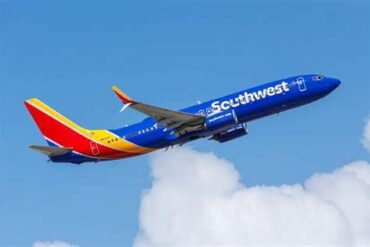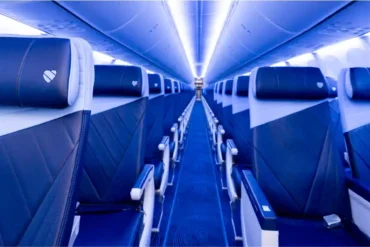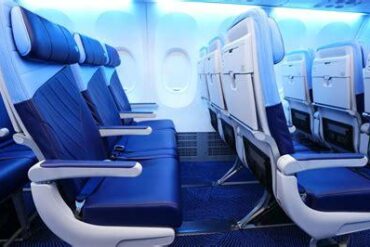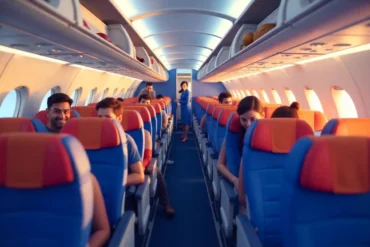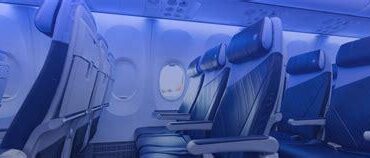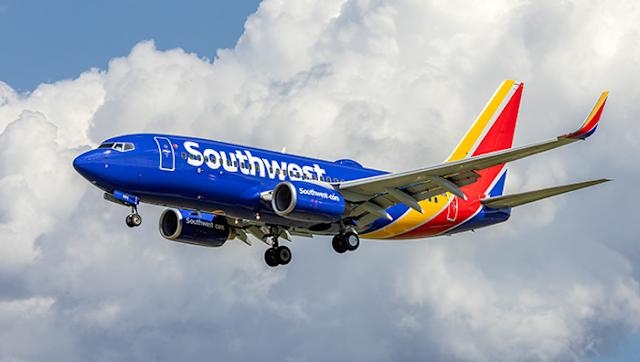
Southwest Airlines is undergoing one of the most dramatic brand transformations in modern U.S. aviation, and the reaction from longtime customers has been fierce. For decades, the airline built its reputation on simplicity, affordability, and passenger-friendly policies like open seating and free checked bags. Those features were not just operational quirks; they were the core of Southwest’s brand loyalty engine. The transition toward assigned seating and paid baggage has sparked widespread criticism, with many passengers arguing the airline has abandoned the very principles that made it successful.
The frustration goes beyond nostalgia. Many travelers see the shift as a fundamental betrayal of a social contract Southwest built with its customers. The airline historically positioned itself as the anti-legacy carrier, offering a streamlined experience without the layered fees common among competitors. With these changes, customers increasingly argue Southwest has become a standardized mainline airline without matching the premium service or global network of legacy competitors.
Customer sentiment worsened following a high-profile Super Bowl commercial that portrayed the former open-seating process as chaotic and primitive. Critics interpreted the advertisement as dismissive toward loyal customers who preferred the old system. The backlash spread quickly across aviation forums, social media, and industry commentary platforms, intensifying concerns about brand identity erosion.
The End of “Bags Fly Free” and the Collapse of a Competitive Advantage
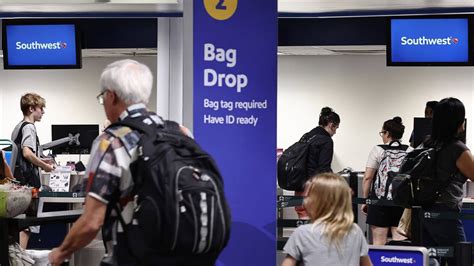
The elimination of free checked bags marked a symbolic and financial turning point. For many travelers, Southwest’s baggage policy was the single most compelling reason to choose the airline. In an era where airlines generate billions from ancillary fees, Southwest stood apart. Removing that benefit shifted the airline’s value proposition overnight.
Travelers now face a pricing structure that mirrors competitors like Delta Air Lines, United Airlines, and American Airlines. However, unlike those carriers, Southwest lacks extensive international partnerships and premium cabin offerings. This has created a perception among customers that they are paying more while receiving less, a dangerous combination in a highly competitive industry.
Assigned Seating Creates New Operational Friction
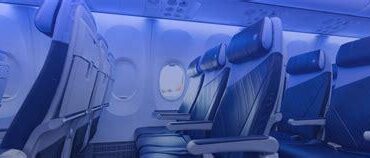
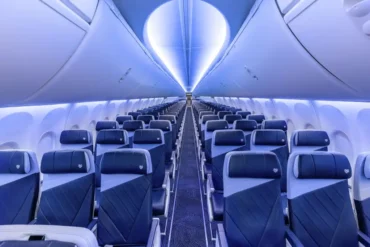
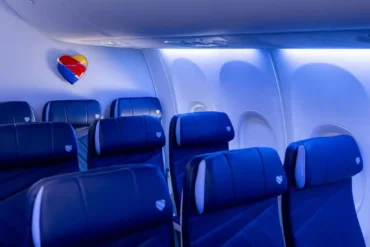
The move to assigned seating was intended to modernize boarding and improve passenger choice. In practice, many travelers report increased confusion during boarding and deplaning. Gate agents and flight crews must now manage seat disputes, late seat changes, and overhead bin competition in ways that rarely existed under the open-seating system.
One unexpected consequence involves overhead storage conflicts. Passengers seated in rear rows frequently board with carry-on luggage and fill overhead bins throughout the aircraft. This leaves premium seat customers, who often paid extra, scrambling for space. The surge in carry-on volume is directly tied to the new baggage fees, creating a cascading series of operational complications that slow turnaround times and frustrate crews.
Investor Pressure and Cultural Transformation
Industry analysts increasingly point to activist investors as a driving force behind these changes. Firms like Elliott Investment Management have reportedly pushed for strategies focused on revenue optimization and stock performance. While such moves may appeal to shareholders, they often clash with Southwest’s historical emphasis on customer-centric culture.
Southwest was long viewed as an airline where operational efficiency and customer goodwill worked together. The current transition suggests a shift toward a profit-maximization model, potentially sacrificing long-term loyalty for short-term financial gains. This creates strategic risk, particularly in a market where low-cost competitors continue expanding aggressively.
Loyalty Program Value Under Scrutiny
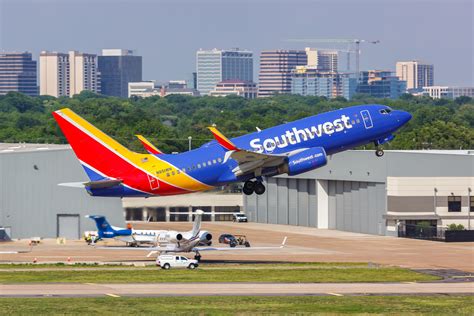
Frequent flyers have also questioned the value of Southwest’s loyalty program under the new structure. Historically, the airline’s rewards system aligned closely with its customer-first philosophy. With the introduction of seat-based pricing tiers and baggage fees, many travelers believe status benefits have been diluted.
Industry commentators note that loyalty programs succeed when customers clearly understand the reward pathway. If travelers perceive that miles and status no longer translate into meaningful benefits, engagement declines rapidly. For Southwest, this could weaken one of its most powerful customer retention tools.
Brand Identity Crisis in a Hyper-Competitive Market
Southwest now faces a difficult balancing act. The airline must convince investors that revenue growth strategies are working while simultaneously reassuring customers that the brand still represents value and convenience. The aviation industry is unforgiving toward brands that lose identity clarity.
The greatest risk is not operational complexity or pricing backlash individually, but the combined effect of both. Airlines succeed when customers instantly understand what they stand for. For decades, Southwest stood for simplicity, transparency, and fairness. The current transformation raises questions about whether the airline can redefine itself without alienating the loyal customer base that fueled its rise.
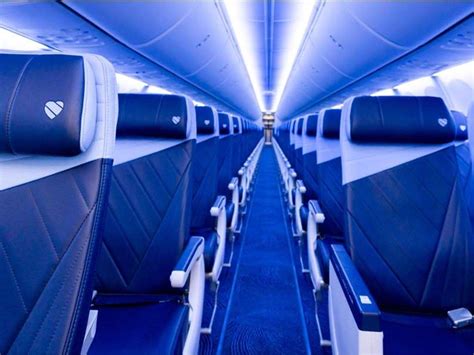
The coming years will determine whether Southwest successfully evolves into a hybrid low-cost and legacy-style carrier or becomes trapped between two competing identities. In aviation history, carriers that lose their core differentiators often struggle to regain market trust. Southwest’s transformation is more than a policy change; it is a test of whether a beloved airline can rewrite its story without losing the passengers who helped write the first chapters.