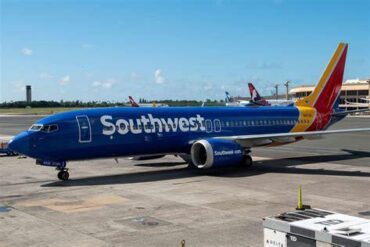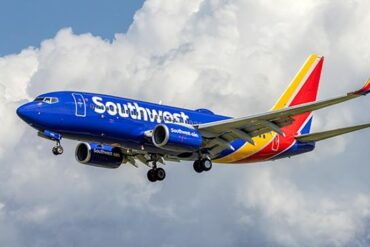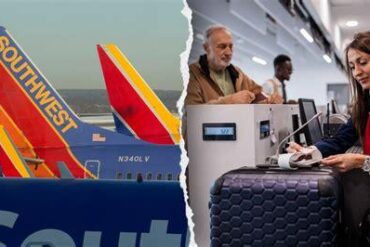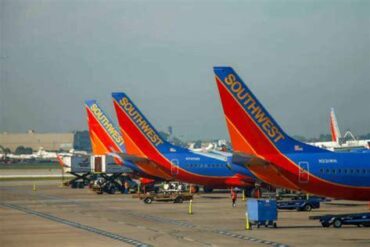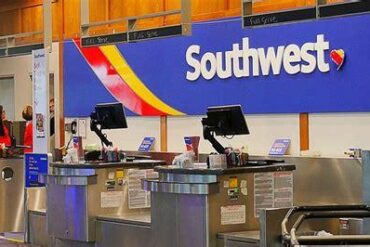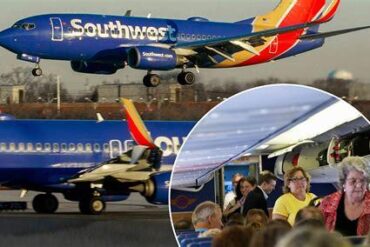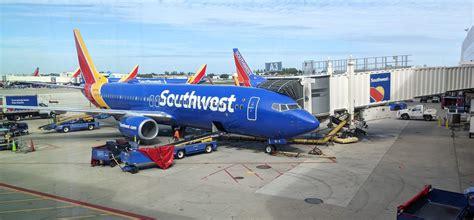
Southwest Airlines, once celebrated as a consumer-friendly disruptor in the American aviation industry, is undergoing a seismic shift that has stunned both loyal travelers and industry observers alike. The company’s decision to eliminate its hallmark “Bags Fly Free” policy and its unique open seating model is more than a corporate recalibration—it’s a fundamental transformation that threatens to dismantle the very identity that made the airline stand apart.
For decades, Southwest Airlines carved out a niche as the maverick among major carriers. In a marketplace overrun with nickel-and-dime tactics, Southwest embraced transparency and simplicity. No change fees, two free checked bags per passenger, and a free-for-all seating system that rewarded punctuality over premium payments—these were not just marketing points but the pillars of the brand’s ethos. With these now under assault from internal policy overhauls, the airline risks alienating its most dedicated customers.
The Death of Differentiation: Southwest Joins the Pack
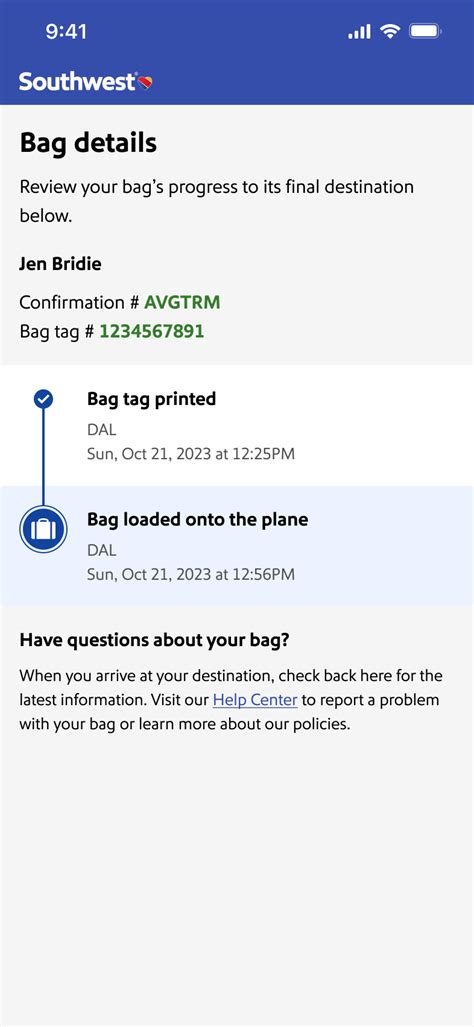
The elimination of free checked baggage comes as a particularly stunning reversal. For years, this policy served as a major differentiator, providing travelers with a rare sense of cost certainty in an industry defined by ever-increasing surcharges. Now, by aligning itself with competitors such as United, Delta, and American Airlines—each notorious for charging baggage fees—Southwest is sacrificing its value proposition in favor of short-term revenue boosts.
According to Kyle Stewart of Live and Let’s Fly, this change is both short-sighted and strategically misguided. “Southwest is no longer the rogue alternative to the majors—it is a major, and it behaves like one,” Stewart wrote. He continues to warn that the airline is not just shedding its charm, but also inviting direct comparisons to legacy carriers, where it now comes up short in areas like international reach and premium service.
Profit Over Principle: A Misguided Pivot
Southwest’s leadership has positioned the shift as a necessary strategy to offset declining margins and post-pandemic recovery challenges. However, this profit-centric pivot has backfired in significant ways. During a period of historically high travel demand, Southwest has managed to post losses, a damning indicator that policy changes may have done more harm than good.
The once-loyal customer base now faces a paywall of added fees. EarlyBird Check-In, a perk previously used to gently manage seating priority, is now seen as essential to avoid undesirable seats. Seat selection—once a hallmark of spontaneity and Southwest’s brand identity—has been transformed into another monetized convenience. Fare credits, which once embodied the airline’s flexibility, are now tightly time-limited and often expire unused, effectively padding the company’s bottom line at the expense of customers’ trust.
Open Seating Ends: Structured Chaos Replaced by Corporate Conformity
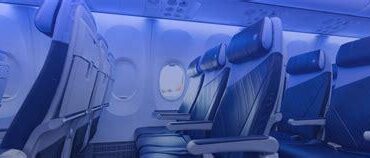
Perhaps nothing symbolizes this transformation more than the abandonment of the open seating policy. In theory, this democratic boarding method empowered early arrivers and removed the hierarchy embedded in other carriers’ seating plans. It fostered a culture of equality and made the boarding process smoother for many. Now, the replacement of this system with traditional, tiered seating not only slows down boarding but also introduces the very complexities Southwest was once praised for eliminating.
In practical terms, the new seating policy encourages tier-based competition, requiring additional purchases for preferred seats. This alienates casual and budget travelers, the very demographic that built the airline’s legacy. Instead of promoting inclusivity, the airline has shifted towards monetization at every turn, driving a wedge between Southwest and the brand equity it once enjoyed.
An Identity Crisis With No International Solution
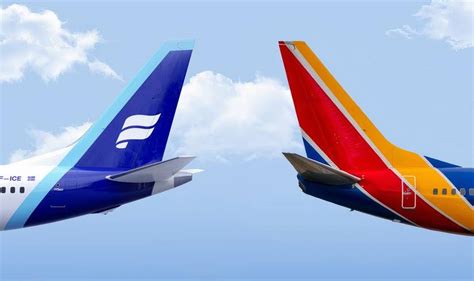
Attempting to mitigate these missteps, Southwest has begun to signal interest in international expansion. The airline recently filed for access to all markets under OpenSkies agreements and announced a budding partnership with IcelandAir. These moves are clearly aimed at leveling the playing field with global competitors, but critics are skeptical of their practicality.
Stewart again raises an important issue: “Can Southwest start flying to London from Boston with its current 737 fleet? Maybe, but does the market need more capacity? Probably not.” This question strikes at the heart of Southwest’s dilemma. Unlike Delta or American, which boast long-haul aircraft and established international routes, Southwest is limited by both infrastructure and fleet capability. Expanding globally without a fundamental shift in operational design could result in diluted service and further strain on resources.
Cultural and Operational Consequences Internally
The internal ripple effects of these shifts extend beyond customer dissatisfaction. Reports from within the airline indicate rising employee frustration and an erosion of company morale. Flight attendants and gate agents—who once enjoyed a more relaxed and cooperative passenger environment—now deal with increased tension and confusion as travelers adjust to newly monetized policies.
Moreover, employee-customer relations have historically been a strong suit for Southwest, powered by a company culture that prioritized team spirit and customer satisfaction. But as fee-based transactions dominate the flying experience, the human element is being replaced with corporate policy enforcement, fracturing a once harmonious connection between staff and passengers.
Competitors Rejoice: A Golden Opportunity for Rivals
As Southwest stumbles, rivals stand to gain. Airlines like JetBlue and Alaska, which have already embraced a hybrid model of low-cost fares and premium services, are now uniquely positioned to capture disaffected Southwest travelers. With superior onboard offerings, wider networks, and more predictable service structures, these airlines can entice those looking for either cost savings or convenience—two areas where Southwest is rapidly losing ground.
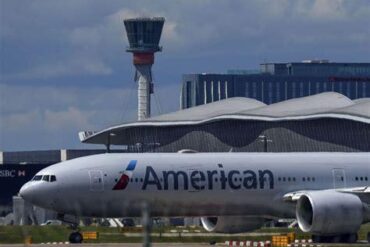
American Airlines, long viewed as a corporate behemoth riddled with inconsistencies, is even being re-evaluated more favorably by frequent travelers simply because it offers clearer value distinctions through its loyalty programs and tiered services. Ironically, Southwest’s push to conform has only highlighted its shortcomings in comparison.
Can the Brand Recover, or Is the Southwest Spirit Gone for Good?
Brand loyalty in the airline industry is notoriously fickle, often swayed by pricing, convenience, and personal experience. Southwest, however, once transcended that norm by offering a uniquely egalitarian flying experience. Undoing that framework, especially in a time of economic uncertainty and heightened customer expectations, could prove to be an irreversible misstep.
Rebuilding trust will require more than temporary promotions or public relations campaigns. It demands a recommitment to the customer-centric principles that first made the airline successful. Whether that means reconsidering baggage fees, reintroducing flexible fare structures, or at the very least acknowledging the damage done, will be the true test of Southwest’s leadership in the years to come.
Until then, the airline faces a growing identity crisis—no longer the budget-friendly outlier, yet not quite prepared to compete with the industry giants it once disrupted.
Final Thoughts: Transformation or Decline?
The pivot away from the policies that once defined Southwest Airlines has set the company on a precarious path. In an era when airline passengers are more vocal and empowered than ever, brand perception is both fragile and invaluable. Removing the two free bags and abandoning open seating did not just streamline operations; it shattered the foundation of a brand built on simplicity, fairness, and fun.
Whether these decisions will eventually be viewed as bold moves toward long-term sustainability or the beginning of a slow decline remains to be seen. What is clear, however, is that the stakes have never been higher—and the runway for redemption is narrowing fast.