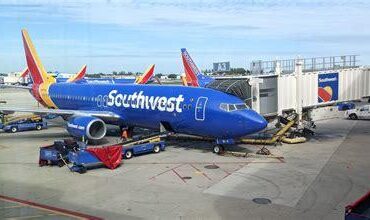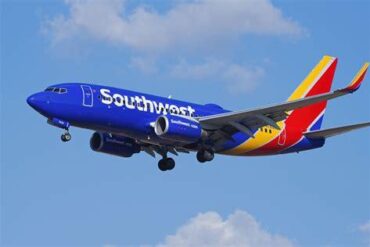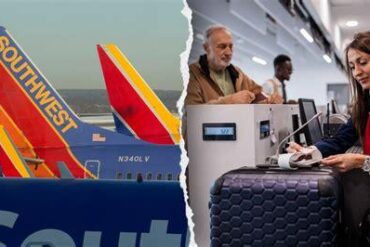
In a dramatic and unprecedented shift, Southwest Airlines has brought an end to two of its most iconic and customer-centric policies: free checked luggage and open seating. As of May 28, 2025, travelers flying with the once-beloved discount carrier are now facing baggage fees and assigned seats, aligning the airline more closely with its legacy competitors. The abrupt pivot reflects a broader strategy to modernize operations, enhance profitability, and generate up to $4 billion in annual revenue.
A Legacy Upended: Goodbye to “Bags Fly Free”
For decades, Southwest Airlines stood apart in the U.S. aviation industry with its signature “Bags Fly Free” policy, offering travelers up to two checked bags at no additional cost. This simple perk became a hallmark of the brand, drawing millions of loyal customers annually. However, in a move that has stunned the market and left frequent flyers grappling with new expenses, Southwest has introduced new baggage fees:
- $35 for the first checked bag
- $45 for the second checked bag
These fees apply to all bookings and voluntary itinerary changes made on or after May 28. The policy does, however, make key exceptions:
- Business Select fare passengers and Rapid Rewards A-List Preferred members continue to receive two free checked bags.
- Regular A-List members and Southwest credit cardholders receive one free checked bag.
- Passengers flying on Wanna Get Away or Anytime fares with no elite status or co-branded credit card are subject to full baggage fees.
This shift represents a strategic alignment with standard practices among competitors such as Delta, United, and American Airlines, where baggage fees are a primary revenue driver.
From Chaos to Control: Assigned Seating Replaces Free-For-All Boarding
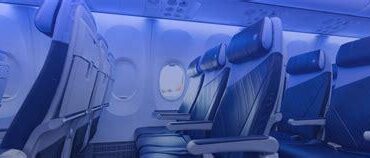
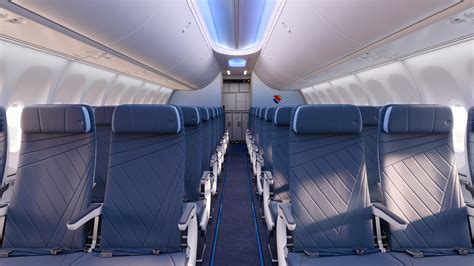
Southwest’s open seating model has long been a distinguishing feature. Passengers boarded by group (A, B, C) and selected any available seat upon entry—a system designed to streamline boarding and maximize aircraft turnaround speed. However, this approach often led to chaotic cabin environments, disputes over seat saving, and family separations, particularly when passengers checked in late.
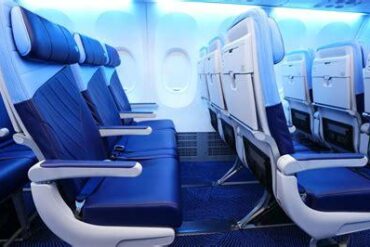
Now, with the new policy in effect, assigned seating will become the norm for all flights. CEO Bob Jordan highlighted the growing operational strains caused by the legacy boarding model, revealing that cabin crew were frequently caught resolving passenger conflicts and that family travel had become unnecessarily stressful. He emphasized that assigned seating will not only reduce onboard tension, but also improve customer satisfaction and operational predictability.
The Economics Behind the Overhaul
At the heart of these sweeping changes lies a sharp focus on financial recovery and modernization. According to Jordan, the company is catching up to where the industry has already been for nearly a decade. “Other airlines took ten years to get here. We’re moving in just months,” he stated in a July 6 interview.
The airline expects these policy shifts to contribute approximately $4 billion in additional revenue, a vital injection following the turbulent post-pandemic recovery phase. While Southwest remained resilient through COVID-era restrictions, its recovery lagged behind larger legacy carriers with diversified revenue streams.
By adopting baggage fees and seat assignments, the carrier is reshaping its business model from a low-cost value brand into a revenue-optimized competitor, mirroring the financial strategies of more traditional players.
Balancing Innovation with Loyalty
Despite the tectonic shift, Southwest is taking steps to preserve loyalty among its elite customers. While standard passengers absorb the brunt of new charges, those with Business Select tickets, A-List Preferred status, or Southwest credit cards continue to enjoy selective perks:
- Two free checked bags remain for top-tier customers.
- One free checked bag is extended to mid-tier elites and cardholders.
- No change fees and flexible cancellation policies still apply, unlike many competitors.
These remaining benefits serve as lifelines to loyal travelers and aim to mitigate backlash while reinforcing the value of premium products and brand loyalty.
Competitive Realignment in a Turbulent Market
Southwest’s overhaul isn’t happening in isolation. The airline industry, rocked by rising fuel costs, labor shortages, and airspace constraints, has seen a marked shift toward ancillary revenue generation. Southwest’s previous resistance to charging fees left billions in potential revenue untapped, a gap it can no longer afford to sustain.
In today’s aviation ecosystem, profitability often hinges more on extras—bags, seats, meals—than base fares. By making these changes, Southwest is positioning itself to thrive in a landscape where passengers increasingly expect transparency, even if it means paying more for less.
Customer Reactions: Loyalty Tested, Patience Measured
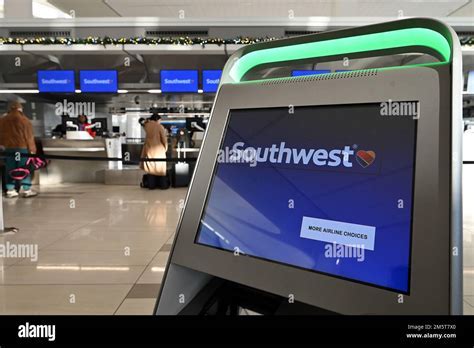
The public response to Southwest’s announcement has been mixed and polarized. Long-time fans of the airline have expressed dismay, especially those who once chose Southwest specifically for its baggage policies and simplified travel process. Social media erupted with hashtags like #BagsNoLongerFlyFree and #SouthwestChange, as customers vented their frustrations.
However, some industry observers argue that the change was inevitable. The open seating model, though quirky and distinctive, had become increasingly problematic in an era when passengers prioritize certainty and structure. Similarly, the lack of baggage fees meant that heavy packers bore no penalty, while lighter travelers subsidized their costs—a system critics saw as economically inefficient.
An Evolving Identity: Southwest’s Cultural Shift
For decades, Southwest represented more than just an airline—it was a symbol of fun, flexibility, and friendliness. Flight attendants cracked jokes during safety briefings, and the absence of change fees or bag charges made it a go-to for families and spontaneous travelers.
But 2025 marks a turning point. The airline’s transformation, while grounded in rational business thinking, comes at a cost to its brand image. For some, Southwest’s adoption of industry-standard practices feels like a loss of identity—a surrender to corporate conformity after years of independence.
Looking to the Future: Can the New Southwest Soar?
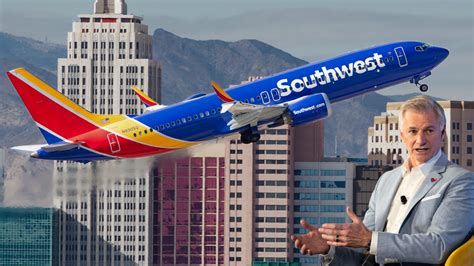
Southwest is betting that its revamped model—modernized, monetized, and more orderly—will allow it to thrive amid intensifying industry headwinds. As traditional competitors scale their operations and low-cost disruptors like Spirit and Frontier undercut fares, Southwest must walk a fine line: extracting more value without alienating its base.
The carrier’s survival will depend on how well it communicates the rationale behind the changes, how effectively it delivers on its promise of a better travel experience, and how resilient its customer base remains in the face of higher fees and altered expectations.
For travelers, this means adapting to a new Southwest—one where the seat you’re assigned and the bag you check come with a price, but also a promise of structure and consistency. Whether this bet pays off will unfold in the coming quarters, as passengers vote with their wallets—and their loyalty.
Final Approach: A Bold Gamble on Reinvention
Southwest Airlines’ decision to overhaul two of its most iconic customer-friendly policies is more than a corporate strategy—it is a bold recalibration of its identity. With free checked bags and open seating now relics of the past, the carrier steps into an unfamiliar future that blends efficiency with economics.
It’s a high-stakes gamble, but one the company deems necessary to weather the evolving demands of the 21st-century traveler. As the dust settles, all eyes will remain on Southwest’s performance—not just in the air, but in the hearts and minds of the passengers who once saw it as a rare exception in an industry driven by fees and fine print.