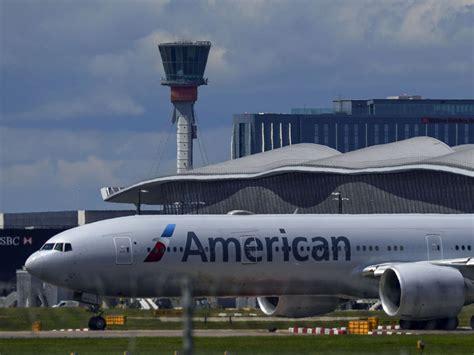
American Airlines, one of the most recognized names in global aviation, is facing unprecedented scrutiny after revelations that the carrier mishandled nearly 1.7 million pieces of luggage between 2021 and 2024. This alarming statistic, which places American Airlines at the top of the U.S. mishandling charts, has left travelers questioning the security of their belongings every time they check a bag.
The sheer volume of misplaced, delayed, or damaged luggage signals deeper operational challenges within the airline industry, exacerbated by staffing shortages, outdated infrastructure, and post-pandemic travel surges. But for American Airlines, the numbers reveal more than just isolated incidents — they indicate a systemic problem that could tarnish the airline’s reputation for years to come.
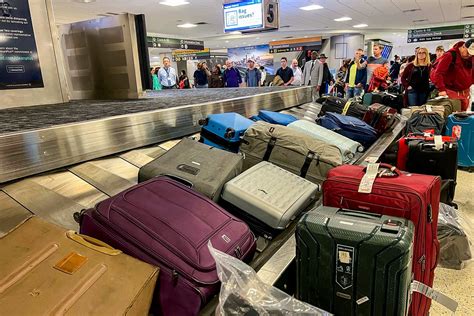
The Scale of the Baggage Crisis at American Airlines
During the three-year period analyzed, U.S. airlines collectively mishandled over 7.7 million pieces of luggage, including checked suitcases, mobility devices like wheelchairs, and personal items. Among these, American Airlines accounted for an outsized portion, mishandling approximately 8.7 bags per 1,000 items checked, totaling more than 1.7 million incidents out of around 200 million processed.
This means that statistically, passengers checking bags with American Airlines face a higher-than-average risk of encountering delays, loss, or damage to their belongings. The issue is particularly pressing given that regional carriers affiliated with major airlines also posted dismal performance figures, with some averaging over 7 mishandled bags per 1,000 items — underscoring that the problem extends beyond just American’s mainline operations.
Other Airlines Are Not Immune — But American Tops the List
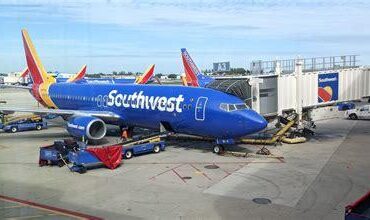
While American Airlines leads in mishandling rates, other U.S. carriers have also contributed significantly to the problem:
- Alaska Airlines: 6.6 mishandled bags per 1,000
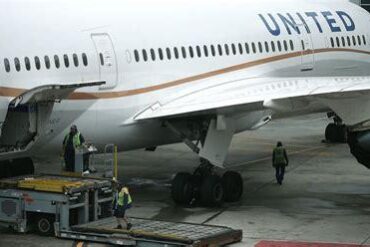
- United Airlines: 6.4 mishandled bags per 1,000
- Delta Air Lines: 5.1 mishandled bags per 1,000
Even low-cost carriers, often chosen for their budget-friendly fares, have not escaped baggage controversies. Spirit Airlines and Frontier Airlines ranked within the top 15 for mishandling incidents, with hundreds of thousands of travelers affected over the study period.
Despite these figures, American’s performance remains particularly concerning due to its status as a global airline handling millions of international and domestic flights annually. With such volume, even small percentage increases in mishandling translate to massive customer impact.
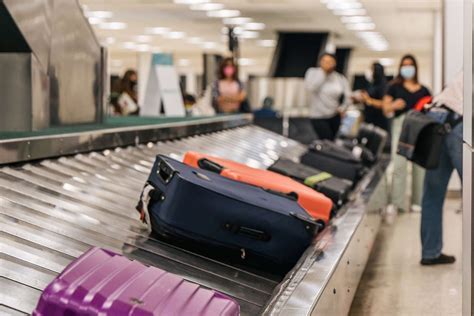
What Counts as Mishandled Luggage?
Under federal aviation guidelines, “mishandled” baggage includes any checked item that fails to arrive on time and in the same condition as when handed over to the airline. This broad definition covers:
- Lost or permanently missing luggage
- Delayed deliveries — even short delays
- Damaged bags or contents
- Stolen items during transit
- Mobility equipment that is damaged, lost, or delayed
For travelers with disabilities, the mishandling of mobility devices such as wheelchairs or scooters often results in more than inconvenience — it can significantly impair independence and mobility during trips.
Why Is Baggage Mishandling Getting Worse?
Multiple factors have combined to create the current crisis in airline baggage handling:
Staffing Shortages: The aviation industry was severely impacted by the pandemic, with mass layoffs and furloughs leading to operational gaps. As travel rebounded sharply post-pandemic, airlines struggled to rehire, retrain, and deploy enough qualified staff, particularly for ground operations like baggage handling.
Aging Infrastructure: Baggage-handling systems in many airports, especially large hubs in the U.S., rely on outdated technology and equipment prone to failures and inefficiencies.
Operational Complexity: Modern air travel often involves multiple connections, tight layovers, and international transfers, each introducing more opportunities for luggage to be delayed, rerouted, or lost.
Inconsistent Technology Use: Although some airlines have embraced real-time luggage tracking tools via mobile apps and RFID tagging, others still depend on manual processes prone to human error.
Passenger Impact — From Inconvenience to Financial Loss
For passengers, a mishandled bag can derail an entire trip. Missing clothing, toiletries, work materials, or special equipment often forces travelers to purchase replacements on short notice. In cases involving damaged luggage or lost items, passengers must navigate tedious claims processes, often requiring extensive documentation and lengthy waiting periods for compensation.
Beyond financial burdens, there is emotional stress, especially when vital belongings are involved. Families traveling with children, elderly passengers requiring medical devices, or business travelers on tight schedules often bear the brunt of these mishandling incidents.
What Can Travelers Do to Protect Their Luggage?
While travelers cannot control behind-the-scenes airline operations, proactive measures can reduce the likelihood of experiencing baggage mishandling:
- Distinctive Luggage: Use bright-colored, uniquely designed suitcases to minimize confusion at baggage claims.
- Comprehensive Labeling: Place clear contact information on the outside and inside of each bag, including alternative phone numbers and email addresses.
- Smart Tracking Devices: GPS-enabled luggage trackers, such as Apple AirTags or Tile devices, allow real-time location monitoring, providing peace of mind.
- Essential Items in Carry-Ons: Medications, valuables, documents, and a change of clothes should always stay with you.
- Immediate Reporting: If your bag is missing, damaged, or delayed, report it at the airport’s baggage service office immediately. Airlines often require same-day, in-person documentation for claims to be valid.
Is American Airlines Doing Enough?
Despite public assurances and isolated investments in technology, many critics argue that American Airlines’ response to its baggage mishandling crisis has been insufficient. While some airport hubs have seen improvements, the overall mishandling rate remains the worst among U.S. carriers.
Industry insiders point to deeper, structural issues — a lack of sustained investment in ground operations, fragmented regional partnerships, and reliance on aging infrastructure — as root causes that require more than surface-level fixes.
Moreover, unions representing baggage handlers and ground crews have raised concerns about staffing levels, training programs, and working conditions, further highlighting operational vulnerabilities.
The Industry Outlook — Can Baggage Mishandling Improve?
The global aviation industry faces growing pressure to overhaul baggage-handling protocols. With passenger expectations rising and competition intensifying, reliable luggage delivery is becoming a key differentiator for airlines.
Technological advancements, such as automated sorting systems, biometric tracking, and AI-driven logistics platforms, hold promise. Airlines that proactively invest in these areas — and ensure consistent implementation across their networks — may reduce mishandling incidents significantly.
Meanwhile, travelers should remain vigilant, employ luggage-tracking tools, and consider travel insurance with baggage loss coverage.
As the data shows, mishandling is not isolated to smaller carriers or budget airlines — major players like American Airlines are facing systemic issues. Until comprehensive reforms take root, passengers must brace for ongoing risks and plan their travels accordingly.
The question remains: Will American Airlines confront its baggage crisis head-on, or will millions more bags — and customers — be mishandled next?