Travelers across the United States are facing a shift in how early they must check in for domestic flights, as major airlines tighten their check-in cutoff times. The move, spearheaded by United Airlines, reflects a growing trend among carriers to streamline operations, improve on-time departures, and reduce last-minute disruptions. With demand for air travel surging beyond pre-pandemic levels, the pressure on operational efficiency has never been greater. Here’s a deep dive into how the check-in windows have changed, what that means for different carriers, and what passengers should prepare for going forward.
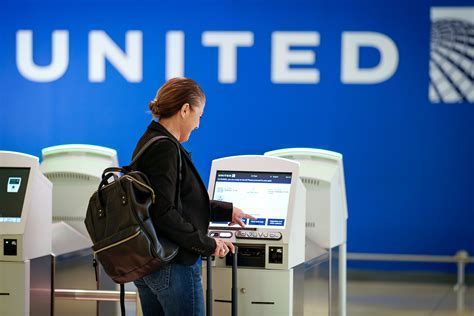
United Airlines Leads the Shift with a Stricter Check-In Policy
As of June 3, 2025, United Airlines has imposed a new check-in deadline of 45 minutes before departure for all domestic flights, regardless of whether passengers are checking bags. This marks a departure from the previous policy, which gave carry-on-only travelers until 30 minutes before departure. By aligning both checked-bag and no-bag passengers under the same deadline, United seeks what it calls “greater consistency” and improved operational planning.
While the policy appears straightforward, nuances remain. For instance, passengers departing from St. Thomas in the U.S. Virgin Islands or flying between Guam and Honolulu face a 90-minute cutoff, reflecting the complexities of operating from these regions. For international flights, the standard check-in deadline remains at 60 minutes, but this too varies. At high-volume airports like Toronto, Paris, Dubai, and Lagos, the cutoff can be as long as 90 minutes.
Delta Air Lines: Incremental Changes with a Focus on Experience
Following a quiet update last month, Delta Air Lines now requires passengers without checked bags to check in no later than 30 minutes prior to departure on domestic routes. However, those with baggage must complete their check-in at least 45 minutes in advance, mirroring United’s baggage deadline.
Delta calls this a “minor change,” yet it plays a significant role in standardizing workflows across terminals. One notable exception is New York’s JFK Airport, where the 60-minute check-in rule applies for both domestic and international flights when baggage is involved. This illustrates how airport-specific logistics can override general airline policies.
For international routes, Delta maintains a 60-minute check-in requirement, although this is subject to extension depending on local security and customs procedures.
American Airlines: Synchronizing Cutoffs with Industry Trends
American Airlines has long adhered to a more uniform check-in policy. For all domestic flights, both checking in and checking a bag must be completed at least 45 minutes before departure. This policy aligns closely with the new standards adopted by United and Delta, placing American firmly in the mainstream of check-in expectations.
When it comes to international travel, American sets a 60-minute deadline across the board for check-in and baggage drop. However, this too can vary depending on the departure airport. Airports with complex immigration or high volume of international traffic may impose stricter cutoffs to accommodate additional processing time.
Southwest Airlines: Enforcing Boarding Area Readiness
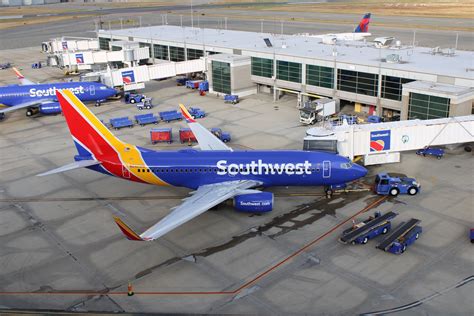
Southwest Airlines operates differently due to its open seating model and streamlined boarding procedures. While passengers need to check their bags at least 45 minutes before takeoff, the real scrutiny is placed on being present and checked-in at the boarding area at least 10 minutes before departure. Failure to do so can result in a canceled reservation, which many travelers may not realize until it’s too late.
Southwest’s international check-in policy mandates a 60-minute lead time, but exceptions exist. For instance, passengers departing Aruba must be checked in and processed a full 75 minutes ahead, regardless of baggage status.
The airline’s minimalistic digital-first model makes it convenient to check in remotely, yet the absence of assigned seating underscores the importance of early arrival at the gate.
Alaska Airlines: Slightly More Time for Domestic Travelers
Alaska Airlines adopts a marginally more lenient check-in window for domestic flights, requiring passengers to check in 50 minutes prior to departure, whether or not they are checking luggage. This offers a bit more flexibility for last-minute travelers but still represents a move toward stricter timelines.
For international flights, Alaska requires check-in at least 60 minutes in advance, again aligning with most of the major U.S. carriers. However, just as with other airlines, airport-specific rules may supersede these guidelines. Departures from cities like Guadalajara, Mexico, for example, demand a 90-minute check-in window due to cross-border customs processing and baggage handling complexity.
Why Airlines Are Tightening Check-In Cutoffs
The post-pandemic travel landscape is defined by record passenger volumes, reduced staffing levels, and the high cost of operational delays. Airlines are thus increasingly prioritizing on-time performance metrics, which are tightly linked to customer satisfaction and government performance assessments. Late check-ins, even by a few minutes, can cause cascading delays — not just for a single flight but across entire schedules.
In this environment, tightening check-in windows allows airlines to freeze final passenger manifests earlier, assign seats efficiently, and initiate boarding without unpredictable last-minute changes. This helps alleviate pressure on gate agents and baggage handlers, especially during peak travel seasons.
Furthermore, advances in digital check-in technology mean that there is less tolerance for physical delays. Most travelers now check in online or via mobile apps, which minimizes airport congestion. But airlines still need passengers to finalize check-ins by a specific point to ensure the entire system functions smoothly.
The International Context: How U.S. Airlines Stack Up
Comparing U.S. airlines with international carriers sheds light on where American policies sit on the global spectrum. Emirates, for instance, requires online check-in to close 90 minutes before takeoff — far stricter than most U.S. airlines. Similarly, Ryanair, notorious for its lean operational model, mandates airport check-ins no later than 40 minutes prior but only allows online check-ins up to two hours before departure.
These international benchmarks often reflect security demands, national regulations, and infrastructural differences. U.S. carriers are navigating a middle path between passenger convenience and operational necessity, while ensuring compliance with TSA and CBP protocols.
What Travelers Need to Do Now
To avoid last-minute surprises and missed flights, passengers must stay vigilant and updated. Checking the official airline app or website before each trip is crucial, as airport-specific exceptions can override general rules. Travelers should:
- Set calendar reminders for check-in cutoffs.
- Use mobile check-in whenever possible.
- Arrive at the airport well ahead of the check-in deadline, especially when checking bags.
- Be mindful of gate closure times, which can be stricter than check-in deadlines.
In short, assume nothing and verify everything. With check-in policies in flux and variations by destination, preparation is now non-negotiable.
Final Thoughts: A Tighter, Faster Future for Air Travel
The recent changes across U.S. airlines underscore a new phase of streamlined air travel in America. From United’s synchronized deadlines to Alaska’s slightly extended check-in buffer, every carrier is seeking the delicate balance between efficiency and passenger experience. These changes are not just administrative updates — they represent a strategic alignment with the realities of modern aviation.
Travelers who understand and adapt to these evolving protocols will find their journeys smoother, while those who cling to old habits may face increasing disruptions. In 2025, knowing your check-in deadline isn’t just helpful — it’s essential.