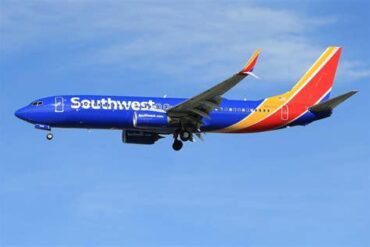
Southwest Airlines, long lauded for its traveler-friendly services and distinctive approach to customer comfort, is introducing sweeping changes to its well-known Customer of Size Policy—and the new rules set to take effect on January 27, 2026, are drawing serious attention across the travel industry.
For decades, Southwest was an outlier in how it treated larger passengers. It offered an accommodating and dignified solution—one that reflected both practical necessity and a degree of empathy uncommon in the airline world. But as 2026 approaches, the airline’s approach is changing, with implications not only for travelers of size but for the broader customer experience on Southwest flights.
The Original Customer of Size Policy: A Model of Inclusion
Southwest’s original policy was seen by many as a gold standard in inclusive travel. The airline allowed customers whose body extended beyond the armrests to book a second seat—without extra charge. While two seats needed to be reserved upfront, passengers could seek a full refund for the second if it went unused. The goal was clear: to avoid awkward or uncomfortable interactions between passengers, while providing a more humane experience for those needing more space.
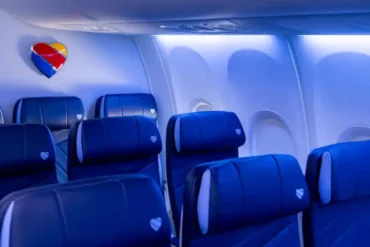
Once onboard, a “Seat Reserved” sign ensured the extra seat remained unoccupied, offering dignity, space, and a stress-free boarding process. This transparent yet respectful approach stood in stark contrast to how some airlines either ignored the issue or handled it poorly.
What’s Changing: The 2026 Overhaul Explained
As of January 27, 2026, Southwest Airlines will fundamentally alter how it handles larger passengers. While the airline will still allow customers of size to book two seats, the conditions for obtaining a refund on the second seat are becoming stricter and less flexible.
Under the new policy, refunds will only be granted if three key criteria are met:
- At least one seat on the flight must remain unoccupied. This limits refund eligibility on full or overbooked flights.
- Both seats must be purchased in the same fare class. Mixing fare types, even if done unintentionally, could disqualify the refund.
- Refund requests must be submitted within 90 days of booking. This adds an administrative hurdle and tight deadline for passengers.
Simultaneously, Southwest is phasing out its iconic open seating model—a move that represents one of the airline’s most significant shifts since its inception. Starting next year, assigned seating will become standard across its fleet. While this may add predictability for some passengers, it also introduces new upcharges for preferred seating, such as extra legroom or front-row positions.
The Broader Implications: A Shift in Brand Identity
This change doesn’t exist in a vacuum. It is one part of a larger strategic transformation under Southwest’s new management team, heavily influenced by activist investor Elliott Management. The airline is moving toward a model that resembles its major competitors more than ever before—moving away from its once-celebrated “customer-first” DNA.
As part of this shift, free checked bags may be phased out, loyalty perks are being diluted, and fare classes are being diversified—potentially resulting in higher fares with fewer benefits. For long-time Southwest loyalists, these changes feel like a betrayal of the values that made the airline stand out.
Impact on Plus-Size Travelers: Comfort or Cost?
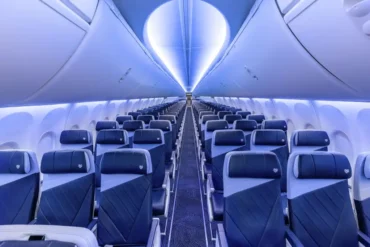
For larger passengers, the most immediate consequence is increased financial uncertainty. While the ability to buy a second seat remains, the additional effort required to secure a refund, and the risk of being ineligible for one, may deter many from booking that second seat at all. This could lead to more cramped travel experiences, less comfort, and increased embarrassment if situations must be resolved on the aircraft rather than at booking.
Moreover, the move to assigned seating eliminates one of the subtler benefits of Southwest’s previous model: flexibility. Previously, plus-size travelers could often board early and choose seats that offered a bit more room or privacy. With assigned seating and paid upgrades becoming the norm, space will come at a premium.
Effect on Other Passengers: A Less Comfortable Cabin
Interestingly, non-plus-size passengers are also likely to feel the impact. Southwest’s former policy helped avoid the uncomfortable reality of seat encroachment by ensuring those who needed more space had it—without friction. With stricter refund terms and more passengers possibly foregoing that second seat due to cost, tensions in the cabin could increase.
A packed flight, with assigned seating, limited extra space, and an inability to move once boarded, could lead to more complaints, more discomfort, and less satisfaction across all passenger categories. The new policy could unintentionally result in more frustration for everyone, not just travelers of size.
Why the Shift? Economics and Industry Pressures
Southwest Airlines is not making these changes in a vacuum. The airline industry has been navigating rising costs, labor disputes, and increased fuel prices—all while facing pressure from Wall Street to boost profit margins.
Under Elliott Management’s influence, Southwest is being restructured to compete more aggressively with legacy carriers like Delta and American. That means shedding services that don’t directly drive revenue—like free second seats or no-fee checked bags—and embracing monetizable seat upgrades and tiered service.
This financial rationalization may make sense on paper, but risks alienating the very travelers who’ve made Southwest their go-to airline for decades. The airline’s ethos—friendly, egalitarian, and budget-conscious—is being replaced by corporate efficiency.
Assigned Seating: More Than Just a Structural Change
The transition to assigned seating, while not unique in the industry, is monumental for Southwest. For years, its open seating policy was a defining trait, praised by some for its simplicity and loathed by others for its chaos.
Now, with a pay-to-upgrade structure, Southwest joins the ranks of airlines that monetize passenger comfort. Whether travelers are willing to pay extra for a predictable seat assignment, or if this will become yet another source of dissatisfaction, remains to be seen.
For passengers of size, the switch complicates matters. Seat assignments may limit their ability to find two adjacent, non-window seats, and paying for premium seating just to ensure basic comfort feels like a step backward in accessibility.
What This Means for Travelers in 2026 and Beyond
With these changes set in motion, all passengers—regardless of size—should prepare for a different Southwest experience starting in 2026. Those who previously benefited from flexible boarding, free seat selection, or comfort allowances will now need to adapt.
For larger travelers, it’s essential to:
- Book early to secure adjacent seats.
- Ensure both tickets are in the same fare class.
- Submit refund requests within the 90-day window.
- Prepare for the possibility of no refund if the flight sells out.
Non-plus-size travelers may also notice tighter cabins, less space, and greater competition for premium seats. With every square inch of the aircraft now a revenue opportunity, it’s clear that the old Southwest—prized for comfort and customer care—is evolving into something different.
Final Thoughts: A Cultural and Economic Turning Point
The overhaul of Southwest Airlines’ Customer of Size Policy is far more than a procedural update—it is a symbolic shift in how the airline views its passengers. It signals a departure from inclusive practices toward a model driven by profitability, structure, and conformity to industry norms.
For some, these changes may be tolerable. For others—particularly those for whom flying already presented challenges—they may represent a new barrier to comfort, dignity, and choice.
What remains to be seen is whether the airline’s core customer base will embrace the new Southwest, or if they will seek alternatives that still prioritize compassion over margins.