When flying with Delta Air Lines, travelers are met with a wide variety of policies, procedures, and fees that can impact the convenience and cost of their journey. One crucial element that often catches passengers off guard is Delta’s 62-inch rule for checked baggage. While it may seem like a minor technical detail, this measurement limit can lead to unexpected fees or even denied baggage at the check-in counter if not properly understood.
Understanding the 62-Inch Rule for Checked Baggage
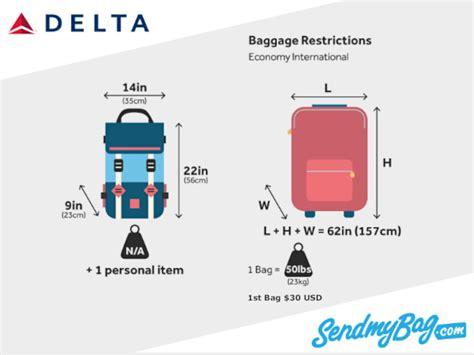
The 62-inch rule refers to the maximum allowed dimensions for a standard checked bag on Delta flights. This limit is calculated by adding the length + width + height of the bag. If the combined total exceeds 62 inches (158 cm), the bag is no longer considered standard and may be subject to oversized baggage fees.
Why is this measurement critical? Because it doesn’t matter how the inches are distributed—if your bag is exceptionally tall but narrow, or short but wide, it must still come under the 62-inch total combined dimension.
Travelers often miscalculate or forget this measurement, focusing only on weight. However, Delta is strict on both size and weight. The 62-inch threshold represents the airline’s operational limit to ensure baggage can be safely loaded into cargo compartments without requiring special handling.
How to Measure Your Bag the Right Way
To accurately measure your bag, use a tape measure to determine the full exterior dimensions of the following:
- Length: From bottom to top (including wheels and handles)
- Width: From side to side (widest point)
- Height: From front to back (thickest depth)
Add those three values. If the total is 62 inches or less, you’re safe under the standard baggage policy. Example: A suitcase measuring 28″ (L) + 20″ (W) + 13″ (H) totals 61 inches—perfectly acceptable. However, a bag that measures 32″ + 22″ + 10″ equals 64 inches and will incur oversize baggage fees.
Associated Costs: Standard vs Oversized Baggage
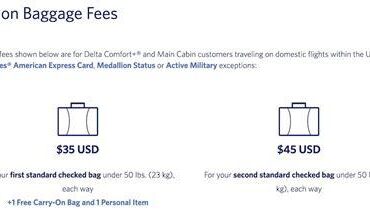
For passengers flying domestically within the U.S. on Delta Main or Delta Comfort (and who do not hold Medallion Status or Delta SkyMiles® American Express Cards), the standard checked baggage fees are:
- First checked bag: $35 USD (under 50 lbs and 62 linear inches)
- Second checked bag: $45 USD (under 50 lbs and 62 linear inches)
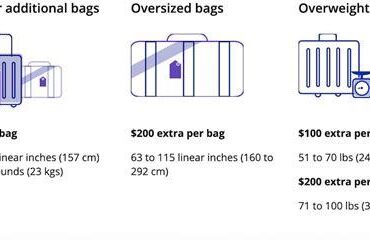
If your bag exceeds the 62-inch limit, it will no longer fall under the standard rate and may trigger the following surcharge, depending on exact dimensions and route:
- Oversized bag (63-80 inches): Extra fee, often ranging from $100–$200+ per direction
- Oversized AND overweight: Additional charges stacked per violation
This is why packing smart—and with precise measurements—is not just a matter of convenience, but cost-efficiency.
Exceptions and Important Considerations
Delta provides exceptions to its 62-inch baggage rule in specific scenarios:
1. Active Duty U.S. Military
Active military personnel are granted special baggage allowances:
- Multiple free checked bags depending on travel type (PCS vs. personal travel)
- Higher size and weight limits (often up to 80 inches and 100 lbs.)
This privilege reflects Delta’s commitment to service members, but documentation (e.g., military orders) is usually required.
2. Delta Medallion & SkyMiles Amex Cardholders
If you hold elite status or travel using select Delta SkyMiles® American Express cards:
- First standard checked bag is free
- Fees are waived regardless of fare class (but size/weight limits still apply)
However, the free bag benefit does not cover oversize baggage. The 62-inch rule still stands, and overages are chargeable.
Checked vs Carry-On: Know the Differences
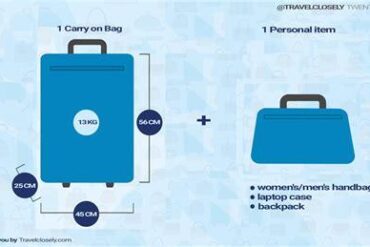
The 62-inch rule applies only to checked baggage, not carry-on. For carry-on luggage, the size restrictions are much smaller:
- Carry-on bag: Must not exceed 22″ x 14″ x 9″ (including wheels and handles)
- One personal item (e.g., laptop bag, purse): Must fit under the seat
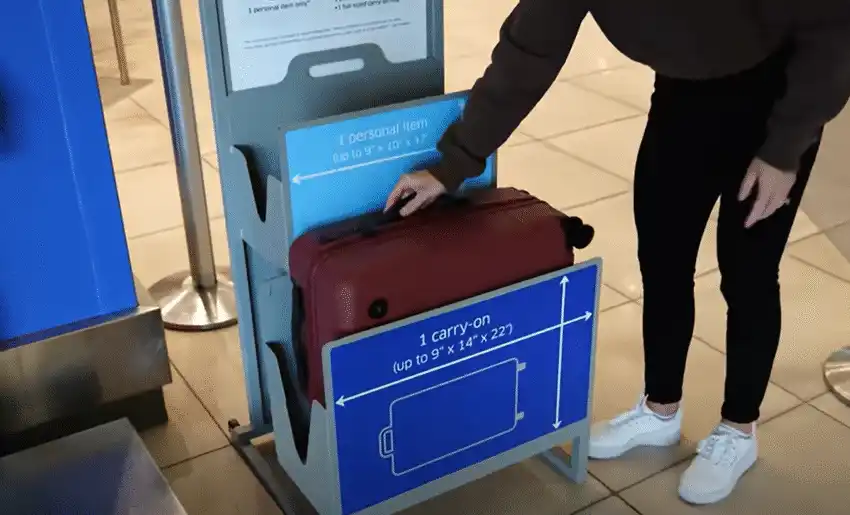
Overhead bins in Delta’s aircrafts are optimized for these dimensions, and gate agents may tag oversized carry-ons for gate check-in if they don’t comply.
Special Items and Irregular Baggage Shapes
What if you’re traveling with something unusual? Delta has tailored policies for:
- Musical instruments (can count as a carry-on if under size/weight limits)
- Sports equipment (like skis, golf bags, bicycles)
- Medical devices (typically excluded from standard measurements, with advance notification)
In most of these cases, while the 62-inch rule may technically apply, Delta provides exceptions or routes through the special item handling desk at check-in.
For example, a guitar in a hard case may exceed 62 inches but still be allowed in cabin or as standard checked baggage under musical instrument allowances.
International Routes and Partner Airlines
If you’re flying internationally or with a partner airline, Delta’s 62-inch rule might not be the only factor. Each country and airline may apply different baggage dimension thresholds.
- Delta ticket, partner airline flight: Check both Delta and partner carrier’s baggage rules
- Multiple tickets: Separate tickets mean separate baggage fees and rules
Some routes, especially transatlantic or to/from South America, may have even stricter size rules, while others allow slightly larger bags.
Tips to Avoid Oversize Baggage Fees
- Buy the Right Suitcase: Look for suitcases marketed as “62-inch compliant”—they’re built with dimensions that add up to 61.9 inches or less.
- Measure After Packing: A bag may bulge outward after being filled, pushing it beyond the limit.
- Use Soft-Sided Luggage: More forgiving than hardshells when it comes to squeezing into acceptable dimensions.
- Weigh & Measure Before You Go: Use a digital luggage scale and measuring tape at home—saves surprises at the airport.
- Consider Splitting Items: Instead of one oversize bag, check two standard-sized ones.
- Redeem Miles: Delta SkyMiles members flying from most U.S. airports can pay for baggage using SkyMiles.
Consequences of Ignoring the 62-Inch Rule
Failing to comply with the 62-inch rule can result in:
- Unexpected airport fees up to $200 or more
- Denied baggage check-in in extreme oversize cases
- Delays at check-in due to repacking or fee processing
- Frustration and stress that disrupt your travel experience
Delta provides transparent policies and online tools for estimating baggage fees—use them before traveling. Go to the Fly Delta app or delta.com within 24 hours of your flight to pay for bags or redeem miles, and ensure your measurements are within limits.
Final Thoughts: Is the 62-Inch Rule Fair?
In the context of modern aviation, Delta’s 62-inch rule is aligned with industry standards. Most major U.S. airlines, including American Airlines and United, follow the same guideline. While it may feel arbitrary, the rule is designed to:
- Streamline cargo loading operations
- Protect against equipment damage
- Ensure fair fee structures across passengers
Travelers who plan ahead, purchase compliant luggage, and understand these limits often avoid extra fees and enjoy a smoother airport experience. In the end, compliance with the 62-inch rule is not just about avoiding penalties—it’s about traveling smarter.
For a full breakdown of baggage types, fee structures, and waivers, visit Delta’s official baggage policy page or review your trip in the Fly Delta app. With the right knowledge and tools, you’ll breeze through baggage check-in with confidence and zero surprises.