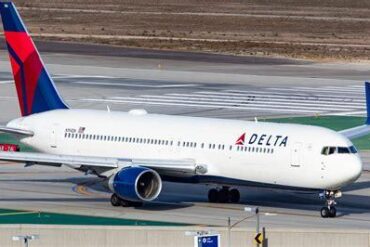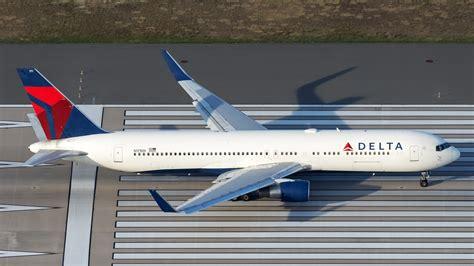
The global airline industry is once again confronting a familiar challenge: rapidly rising fuel prices. Delta Air Lines, one of the largest carriers in the United States, has announced plans to reduce capacity growth as it anticipates a significant surge in fuel expenses that could add nearly $2 billion (€1.85 billion) to its operating costs. The decision reflects a strategic adjustment aimed at protecting profitability while maintaining strong operational performance in a volatile economic environment.
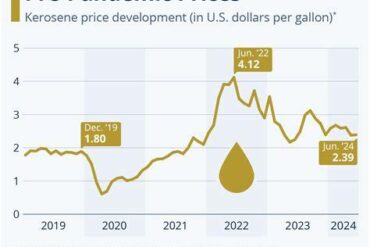
Fuel has always been among the most significant cost drivers for airlines. When prices spike, carriers must quickly adapt their network planning, fleet usage, and operational strategies. Delta’s move underscores the seriousness of the current fuel market conditions and highlights how airlines balance expansion ambitions with financial discipline.
While travel demand remains resilient across many segments—particularly premium cabins and long-haul routes—the rising cost of jet fuel is forcing airlines to rethink growth plans. Delta’s leadership believes a cautious approach to capacity expansion will allow the airline to maintain strong margins while navigating uncertain energy markets.

Rising Jet Fuel Costs Push Delta Toward Capacity Adjustments
Delta Air Lines expects fuel prices to significantly impact its financial outlook over the coming quarters. The airline estimates that the increase in jet fuel expenses could add approximately $2 billion to its cost base, prompting executives to reconsider the pace of network expansion.
Instead of continuing aggressive growth, Delta intends to scale back capacity increases, potentially reducing flight frequencies or delaying planned route expansions. By adjusting supply to better match demand, the airline aims to preserve profitability while ensuring aircraft operate with strong passenger loads.
Airlines commonly respond to rising operating costs by improving load factors, which measure the percentage of seats filled on each flight. Higher load factors allow carriers to spread operating costs across more passengers, helping offset increased expenses such as fuel. Delta’s strategy follows this well-established approach, emphasizing efficiency rather than uncontrolled growth.
Passengers may notice the impact in several ways. Fewer flights on certain routes, tighter seat availability, and potential fare adjustments are common consequences when airlines reduce capacity. While such changes may create challenges for travelers, they often help maintain stability within airline operations during periods of economic pressure.
Delta’s Refinery Provides a Strategic Advantage
One factor that sets Delta apart from many other airlines is its ownership of a refinery capable of producing jet fuel. This unusual asset gives the airline a partial hedge against volatile energy markets.
Delta expects the refinery to deliver a $300 million benefit in the second quarter of 2026, a notable increase compared with the $60 million benefit recorded during the first quarter. As refining margins widen, the facility can help reduce some of the financial strain caused by rising global fuel prices.

The refinery advantage does not eliminate the impact of higher energy costs, but it provides Delta with an important buffer that many competitors lack. Combined with disciplined capacity planning and operational efficiency, the refinery strengthens Delta’s ability to manage industry turbulence.
Chief Executive Officer Ed Bastian emphasized that demand remains strong and that the airline is taking proactive steps to protect financial performance. By moderating growth and quickly adjusting pricing strategies, Delta intends to recover some of the additional fuel costs while continuing to deliver reliable service.
Operational Strategy Focused on Profitability
Throughout its history, Delta has developed a reputation for navigating industry challenges with a disciplined approach to operations. When costs increase, the airline typically prioritizes high-yield routes, premium services, and operational reliability rather than aggressive expansion.
This strategy allows Delta to focus on the most profitable markets while avoiding excessive capacity that could dilute revenue. Premium cabins, corporate travel demand, and long-haul international routes often generate higher margins, making them central to the airline’s profitability strategy.
In the June quarter of 2026, Delta expects to lead the industry with approximately $1 billion in profit, demonstrating confidence in its ability to manage rising costs. Such projections suggest the airline’s leadership believes that strategic capacity reductions can maintain strong financial performance despite external pressures.
Operational adjustments may include shifting aircraft types to more efficient models, modifying schedules to maximize aircraft utilization, and concentrating service in markets with the strongest demand. These steps enable airlines to remain competitive even when fuel costs rise sharply.
Industry-Wide Impact of Volatile Energy Markets
Delta’s announcement reflects broader trends affecting airlines around the world. Rising energy prices, partly driven by geopolitical tensions and instability in global oil markets, are placing pressure on carriers across North America, Europe, and Asia.
Airlines operate within extremely tight margins, meaning even modest increases in fuel costs can significantly affect profitability. As a result, many carriers are likely to adopt similar strategies to those now being implemented by Delta.
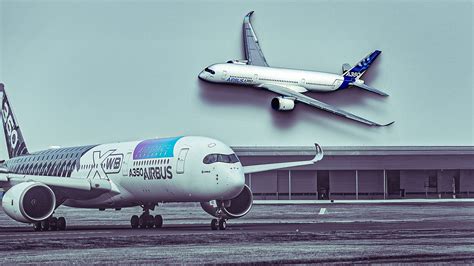
One major response across the industry has been accelerated investment in fuel-efficient aircraft. Modern jets such as the Airbus A350, Airbus A321neo, and Boeing 787 Dreamliner offer significantly lower fuel consumption compared with older models. These aircraft reduce operating costs while also supporting environmental sustainability goals.
High fuel prices often accelerate the retirement of older aircraft that consume more fuel. Airlines may choose to phase out aging fleets earlier than planned, replacing them with next-generation aircraft that deliver better efficiency and lower emissions.
Additionally, the aviation industry is placing increased focus on sustainable aviation fuel (SAF) and alternative energy solutions. Although SAF currently represents a small portion of total fuel supply, continued investment may help reduce long-term dependence on traditional jet fuel.
Strong Travel Demand Helps Offset Cost Pressures
Despite the financial challenge posed by rising fuel prices, the airline industry continues to benefit from relatively strong travel demand. Leisure travel remains robust in many markets, while corporate and premium travel segments have shown steady recovery.
For Delta, this demand strength provides an important cushion. By slightly reducing capacity while maintaining strong passenger volumes, the airline can keep flights full and protect revenue performance.
The combination of capacity discipline and strong demand allows Delta to maintain pricing power. When fewer seats are available, airlines can often sustain higher fares, which helps compensate for rising operating costs.
However, the situation remains fluid. If fuel prices continue to climb or economic conditions weaken, airlines may need to introduce additional adjustments to maintain financial stability.
A Strategic Move to Stay Ahead of Market Shifts
Delta’s decision to scale back capacity growth illustrates a proactive approach to managing economic uncertainty. Rather than waiting for rising costs to erode profitability, the airline is adjusting its strategy early to maintain financial resilience.
Such moves are common in aviation, where rapid responses to external factors—fuel prices, economic cycles, or geopolitical events—often determine long-term success. By aligning capacity with demand and focusing on operational efficiency, Delta aims to remain competitive even as industry conditions evolve.
Looking ahead, the airline may continue refining its network strategy depending on how fuel markets develop. Further adjustments to schedules, fleet usage, and route planning remain possible as Delta evaluates demand trends and operating costs.
For travelers, the coming months could bring slightly tighter seat availability and potentially higher fares. For Delta, however, the strategy represents a calculated step designed to ensure long-term profitability and stability in an unpredictable global aviation landscape.