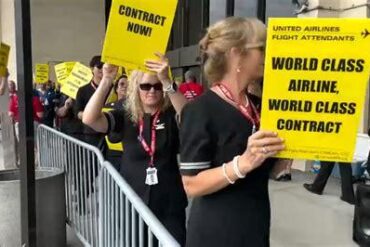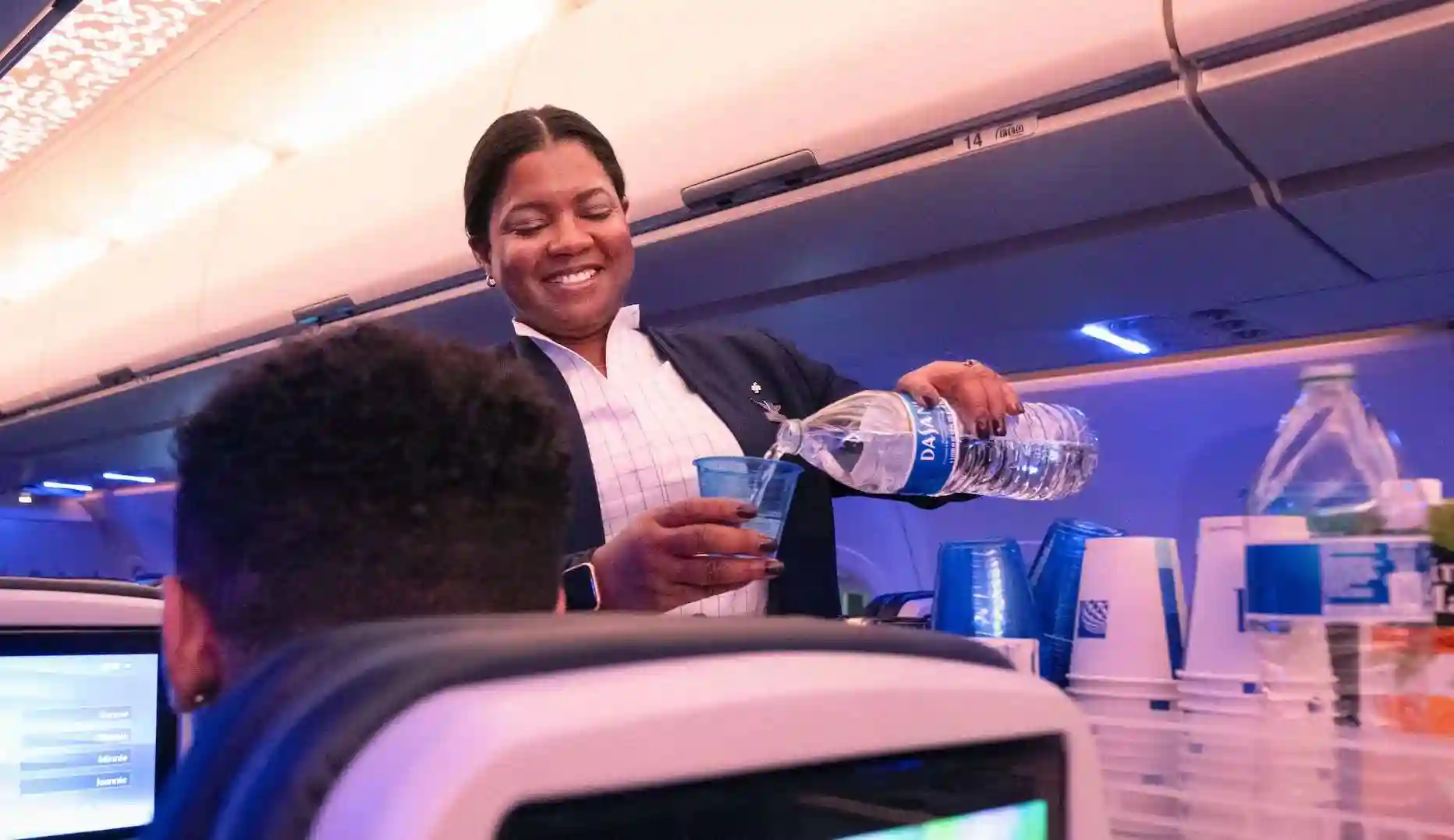
United Airlines is facing a critical moment as tensions mount between flight attendants and their union, the Association of Flight Attendants (AFA), just days before a high-stakes contract vote. What was once a routine labor negotiation has transformed into a deeply divisive and emotionally charged confrontation across key U.S. hubs—most notably in Chicago O’Hare International Airport, United’s operational epicenter.
The contract in question has been five years in the making, a product of protracted negotiations that were repeatedly delayed due to the pandemic and shifting economic conditions. The result is a proposed agreement touted for including pay increases and improved scheduling terms. However, this has not quelled unrest among the 26,000 flight attendants whose support is needed for ratification. Instead, growing dissatisfaction with union tactics and fear over insufficient contractual protections have turned concourses into ideological battlegrounds.
Union Pressure Reaches Boiling Point in Hubs Like Chicago, Newark, and Denver
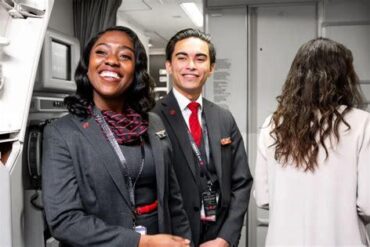
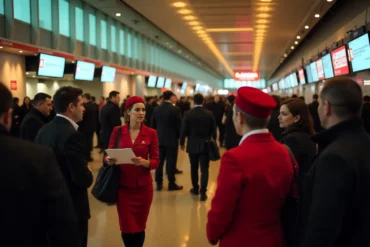
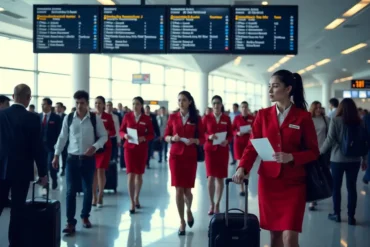
In the past week, United’s flight attendants have reported an intensifying campaign by union representatives who are actively engaging crew members in terminals. At Chicago O’Hare, Newark Liberty, and Denver International, union operatives have been seen directly confronting uniformed attendants—sometimes just before boarding or immediately after deplaning—urging them to support the tentative agreement.
According to multiple flight attendants who shared their experiences in private Facebook groups and online forums, these encounters are not simply persuasive; they’re aggressive and intrusive. Some recounted being stopped mid-shift, cornered at gates, and told that failure to support the contract would undermine their future in the airline.
The backlash has been swift. Many see this as crossing the line between advocacy and harassment, creating a climate of fear and tension in already stressful workplaces. The once-unified spirit of the crew appears fractured, as those skeptical of the contract feel silenced or pressured into conformity.
Discontent Brews Beneath the Surface
Despite the union’s push for ratification, skepticism continues to build within United’s workforce. The deal may promise immediate financial improvements, but some flight attendants worry that these are offset by vague or underwhelming provisions on rest periods, layover protections, and crew scheduling.
Behind the scenes, many flight attendants have voiced their concerns anonymously. “We waited five years, and this is what we’re offered?” one flight attendant wrote in a closed online community. Others described the proposal as “out of touch” and “a compromise that only benefits the headlines.”
Five Years of Negotiations: A Legacy of Delays and Disputes
Negotiations between United Airlines and the AFA began well before the pandemic and have been marked by long pauses, shifting priorities, and incremental progress. Since 2020, the talks took on added complexity as the airline industry navigated an unprecedented crisis. Now, in 2025, with travel demand surging and staffing stretched thin, the stakes have never been higher.
The tentative agreement reportedly includes:
- Pay raises that bring United’s flight attendant compensation closer to industry-leading levels.
- Updated work rules meant to align with post-pandemic crew needs.
- Adjustments to rest time regulations and reserve requirements.
However, critics argue that the fine print reveals significant gaps, including ambiguous language on layover lengths and unresolved concerns about international flight coverage. These uncertainties have deepened the divide between union leadership and rank-and-file workers.
Operational Fallout: A Threat to United’s Summer Travel Dominance
United Airlines operates more than 4,500 daily flights and holds dominant positions at key hubs like Chicago, Houston, Denver, and Newark. Any labor disruption could have a severe ripple effect across the nation’s travel infrastructure.
Industry analysts warn that a failed vote or subsequent strike could lead to:
- Widespread flight cancellations and delays.
- Disruptions to international travel and long-haul operations.
- Diminished customer trust during the critical summer travel window.
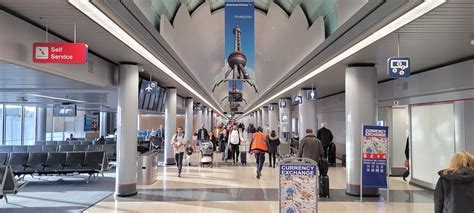
Chicago O’Hare, a linchpin in United’s domestic and global network, is especially vulnerable. With over 500 daily departures, even minor labor unrest could cripple connectivity across the Midwest and send shockwaves through connected routes.
Broader Implications for the Airline Industry
What happens at United Airlines in the coming days will not stay within its walls. The entire airline sector is watching, as outcomes from this contract vote could influence union strategies at Delta, American, and Southwest. A ratified deal might set a precedent for incremental gains, while a rejection could embolden further confrontation and force broader industry concessions.
This is especially significant as the U.S. labor movement has gained traction in multiple sectors—from automakers to tech companies. In the airline industry, where pandemic-era burnout and resurgent demand intersect, worker empowerment narratives are now central to every labor negotiation.
The Human Side of High-Stakes Labor Politics
Beneath the charts, balance sheets, and contract language, there are real people navigating exhaustion, uncertainty, and personal risk. Flight attendants, often overlooked despite playing pivotal roles in airline operations, have borne the brunt of years of systemic stress: unruly passengers, safety threats, and erratic scheduling.
For many, this contract is not just a financial document—it’s a symbol of recognition, value, and protection. Yet, the union’s tactics are backfiring for some who feel ambushed, even betrayed. “I support collective bargaining,” one attendant shared online, “but not like this. Not at the gate when I’m about to board a flight.”
This speaks to a broader dilemma within the labor movement: how to maintain solidarity without infringing on individual dignity. In United’s case, that balance seems increasingly precarious.
United Airlines Leadership Walks a Razor’s Edge
From an executive standpoint, United’s leadership faces enormous pressure to navigate this conflict without tipping into operational chaos. Having invested in fleet modernization, customer experience enhancements, and international expansion, United has worked hard to rebuild its brand post-pandemic.
A labor crisis could quickly erode this progress. Analysts warn that even a temporary breakdown in negotiations might spook investors, harm share prices, and stall United’s aggressive growth plans in Asia and Europe.
CEO Scott Kirby and senior leadership are likely aware that mishandling this moment could trigger long-term reputational damage. The company’s tone and actions in the coming days will likely determine whether this storm ends in compromise—or collapse.
July 7 Vote: A Defining Moment for United’s Future
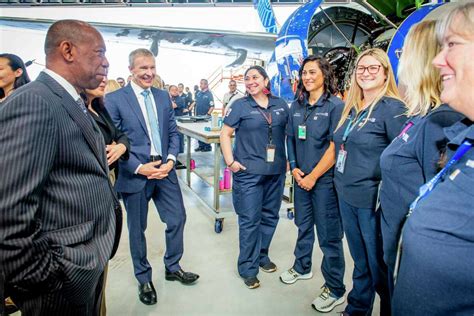
As July 7 nears, all eyes remain fixed on the impending vote. The process will begin digitally, with thousands of crew members logging on to cast what may be the most consequential ballot of their careers. The outcome will determine whether the tentative agreement becomes official or is sent back to the drawing board.
Regardless of how the vote plays out, the contract’s legacy will linger. For flight attendants, it is a test of collective power in an age of algorithmic scheduling and corporate optimization. For the union, it is a referendum on leadership and strategy. For United, it is a moment of truth that will reverberate across terminals, boardrooms, and news cycles alike.
Conclusion: A Flashpoint in American Aviation
The labor confrontation unfolding at United Airlines is more than an internal dispute—it is a flashpoint in the evolving narrative of American labor in a post-pandemic economy. It challenges assumptions about solidarity, strategy, and the nature of work itself.
Whether the AFA’s aggressive tactics succeed or backfire, whether the tentative agreement holds or collapses, one thing is certain: this moment marks a turning point for how airlines—and workers—negotiate the skies of modern labor relations.
With turbulence ahead, passengers and flight crews alike brace for impact.