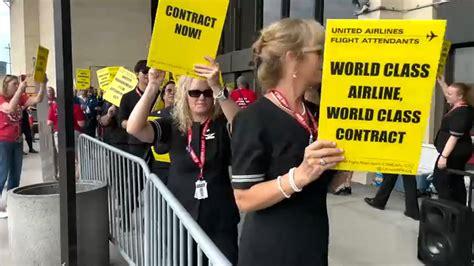
After over four years of intense and often contentious negotiations, United Airlines flight attendants are finally heading toward a decisive vote on July 7, 2025, to determine the fate of a long-anticipated new labor contract. The proposed deal comes at a crucial moment for the airline, which has faced increasing pressure from within and outside its workforce, as competing carriers finalize landmark agreements of their own.
The path to this point has been turbulent. Flight attendants have repeatedly voiced their frustrations through protests, media campaigns, and union petitions, highlighting a growing chasm between United’s frontline staff and its leadership. The ratification of this contract would not only signal a resolution to years of strained labor relations but also potentially reset the dynamics between management and one of the largest flight attendant groups in the industry.
The Long Road to a Deal: Four Years of Negotiations and Mounting Frustrations
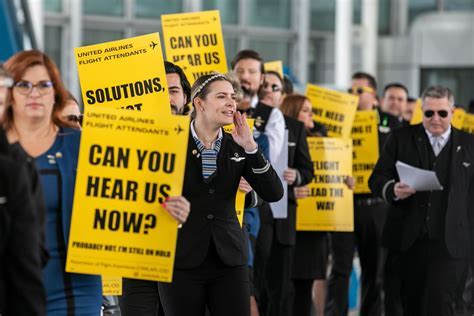
United Airlines and the Association of Flight Attendants-CWA (AFA-CWA) have been locked in negotiations since before the pandemic, a period marked by economic volatility, staffing crises, and fundamental shifts in aviation labor expectations. Despite multiple rounds of talks and public statements of progress from both sides, no deal emerged until now.
Flight attendants grew increasingly vocal, staging demonstrations and expressing dissatisfaction through social media campaigns. The core complaints included stagnant wages, unpredictable scheduling, and what some described as “wage theft” tied to the airline’s reserve system. These issues intensified as other major carriers moved forward with new agreements that addressed similar concerns.
In March 2025, United signaled that the negotiations were finally gaining traction. A spokesperson acknowledged that productive dialogue was underway with the AFA, and that both sides were “finding common ground” aimed at delivering an “industry-leading contract.”
What’s in the New Deal: Raises, Benefits, and Operational Flexibility
According to reporting from Travel And Tour World, the proposed contract includes a range of enhancements aimed at improving compensation and working conditions for flight attendants. Key highlights include:
- Substantial pay increases, potentially lifting United’s pay scales closer to those recently agreed upon at rival airlines.
- Updated work rules and operational benefits, designed to streamline scheduling and give cabin crew more flexibility.
- New guidelines on hotel accommodations, although some union critics highlight that the deal permits overnights in hotels deemed merely “tenantable”—a downgrade in lodging quality compared to previous standards.
While the proposal marks a significant shift in tone and structure from earlier drafts, it hasn’t satisfied everyone.
Union Under Fire: Questions Over Representation and Trust
Though the AFA has urged members to support the contract, many flight attendants have expressed skepticism. Allegations of pressure tactics—including reports of union reps intercepting crew at airports to push a “yes” vote—have eroded trust.
Criticism of union leadership extends far beyond the current contract dispute. Members have voiced dismay over the AFA’s failure to secure a deal for nearly five years, and its decision to award itself a 37% internal pay raise while its members’ wages remained stagnant. Other long-simmering grievances include a lack of accountability for unresolved wage theft claims and the handling of reserve scheduling, which leaves many attendants in a precarious financial position.
In response to this discontent, a faction of United flight attendants has launched an online petition calling for a complete change in union representation. Though unlikely to succeed in the short term, the campaign reflects a deep erosion in confidence toward the union’s ability to advocate effectively.
Competitive Pressure: United Lags Behind Its Rivals
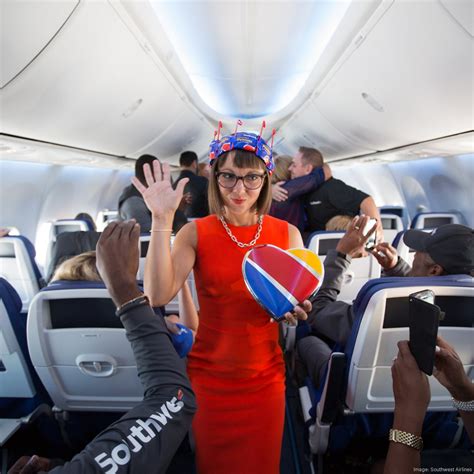
While United’s contract vote is just around the corner, other major U.S. airlines have already finalized deals that are reshaping the labor landscape. American Airlines recently concluded a comprehensive agreement with its cabin crew. Southwest Airlines, meanwhile, signed an industry-leading deal in 2024 that included retroactive pay and sweeping raises.
Delta Air Lines, though its flight attendants are not unionized, has managed to keep its crews relatively content through strategic compensation improvements, including the groundbreaking addition of boarding pay—a benefit previously unseen across the industry. Delta’s approach is widely seen as a preemptive strategy to stave off unionization, and has influenced other carriers to follow suit in offering better conditions.
With these developments setting a new industry benchmark, United’s flight attendants are acutely aware of the standards they expect. The July 7 vote could determine whether they’ll accept a contract that aims for parity—or whether more unrest lies ahead.
The Stakes of the Vote: More Than Just a Contract
The upcoming vote on July 7 is more than a mere formality; it represents a defining moment for labor relations at United Airlines. If approved, the contract could stabilize internal operations, placate disaffected crew, and align United more closely with its competitors. If rejected, it could spark renewed unrest, weaken union authority, and potentially lead to disruptive labor actions.
From a strategic perspective, ratifying the deal may also help United improve its retention and recruitment of flight attendants. The airline, like many others, continues to grapple with staffing shortages that emerged during the pandemic and were exacerbated by rising retirements and attrition. A more competitive contract package could make the airline more attractive to new talent.
But if the union’s credibility continues to erode, United may find itself in a uniquely difficult position: facing a workforce that neither trusts management nor the entity that represents them.
An Industry at a Crossroads: Broader Implications for U.S. Aviation Labor
What happens at United Airlines this month will resonate far beyond its own terminals. The broader aviation labor ecosystem is watching closely, especially as airlines prepare for another wave of contract negotiations involving pilots, mechanics, ground handlers, and dispatchers.
United’s experience highlights a complex dilemma facing unionized labor in a rapidly evolving airline industry. As carriers adjust to post-COVID realities, labor groups are demanding not just higher pay but more humane scheduling, safer working environments, and transparent governance. Meanwhile, airlines are seeking greater cost efficiency and operational flexibility in the face of inflation, geopolitical instability, and shifting consumer patterns.
The disconnect between what unions promise and what they deliver has added another layer of tension. If United’s cabin crew reject the upcoming contract or call for new union leadership, it may signal a broader movement toward reforming traditional labor representation models—something that could reshape union-employer dynamics across multiple industries.
Conclusion: A Defining Test of Trust and Transparency
The United Airlines flight attendant contract vote on July 7, 2025, is more than just a tally of yes and no. It is a referendum on worker empowerment, institutional accountability, and the ability of one of the world’s largest airlines to evolve in step with its workforce.
A deal that took four years to craft may now be undone in a single day—unless the rank and file believe it truly represents progress. Whatever the outcome, the results of the vote will reverberate throughout the aviation sector, setting the tone for future labor agreements in an era where airline workers are no longer content with being seen but not heard.