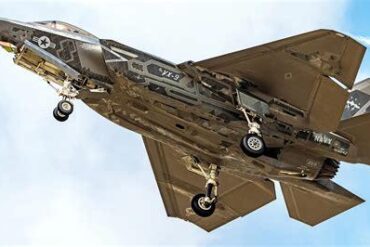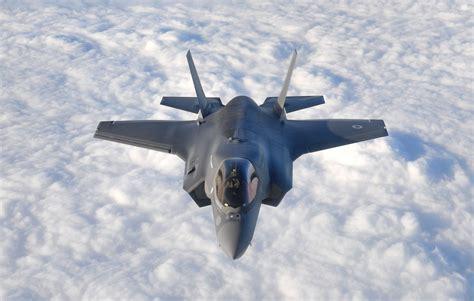
The F-35 Lightning II is often described as the most advanced fighter jet ever built, combining stealth, advanced sensors, networked warfare capabilities, and precision weapons into a single platform. Yet behind its revolutionary combat capabilities lies a controversial reality: many countries that operate the aircraft cannot fully restore or modify their own jets’ stealth features without relying on the United States and Lockheed Martin.
For international F-35 operators, maintaining the aircraft is not simply a matter of repairing damaged panels or applying a new layer of radar-absorbing paint. The fighter’s stealth characteristics are deeply integrated into its structure, materials, and classified engineering processes. This means that even some of America’s closest allies cannot independently perform the most sensitive repairs required to return a damaged aircraft to its original low-observable condition.
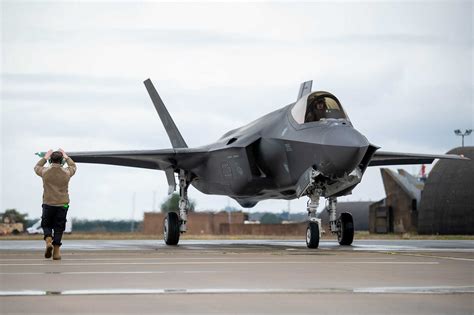
Why F-35 Stealth Cannot Be Restored Like Older Stealth Aircraft
The reason F-35 operators face these restrictions begins with how the aircraft achieves stealth. Earlier stealth aircraft often relied heavily on specialized radar-absorbing material (RAM) coatings applied over the aircraft’s external skin. These coatings could be repaired through more traditional maintenance procedures, although they still required specialized knowledge and facilities.
The F-35 uses a far more integrated approach. Its radar signature reduction system is built into the aircraft’s composite structures, meaning the stealth capability is not merely a surface treatment. The aircraft’s exterior materials, manufacturing techniques, internal structures, and aerodynamic shaping all contribute to reducing its radar cross-section.
The F-35’s low observable technology depends on carefully engineered composite layers that interact with radar energy. These materials are designed to absorb, scatter, and redirect electromagnetic waves rather than allowing them to return strongly to enemy radar systems.
This approach creates significant advantages in combat because the aircraft can operate closer to heavily defended airspace while remaining difficult to detect. However, it also creates a major maintenance challenge. When stealth-related structures are damaged, repairing them requires highly specialized equipment, technical data, and manufacturing expertise.
Unlike conventional fighters where a damaged panel can often be replaced with a new component from a supply chain, F-35 stealth repairs require maintaining the aircraft’s exact electromagnetic characteristics. Even small deviations in material composition, surface alignment, or manufacturing quality could affect radar performance.
The United States Maintains Control Over Critical F-35 Stealth Repairs
Although the F-35 program includes multiple international partners and foreign military customers, access to the aircraft’s deepest technical details remains tightly controlled. The United States government and Lockheed Martin retain ownership of much of the aircraft’s sensitive engineering information.
Most international operators can perform routine maintenance, inspections, and limited repairs. However, when it comes to major restoration of radar-absorbent structures, foreign air forces generally depend on approved facilities and procedures controlled through the F-35 Joint Program Office.
This arrangement exists because stealth technology is considered one of the most valuable military advantages possessed by the United States. The radar signature of a fifth-generation fighter is not simply a performance specification; it represents decades of research, classified testing, and advanced materials development.
Sharing complete technical information about the aircraft’s stealth architecture would potentially expose methods used to defeat enemy radar systems. For Washington, protecting this information is a strategic priority.
The result is a complicated situation. Partner nations have invested billions of dollars into purchasing and operating the F-35, but many do not possess complete independence over one of the aircraft’s most important capabilities.
The Intellectual Property Battle Behind F-35 Maintenance Restrictions
The debate surrounding F-35 maintenance is not only about security. It is also about intellectual property rights and industrial control.
The F-35 represents one of the largest defense programs in history, involving multiple countries, hundreds of suppliers, and decades of technological development. However, participation in the program does not automatically grant full access to every aspect of the aircraft’s design.
The United States has consistently argued that protecting proprietary technology prevents unauthorized duplication and helps maintain the aircraft’s long-term security advantage.
Critics, particularly among foreign operators, argue that purchasing a fighter jet without full technical autonomy creates a dependency relationship. They believe that countries spending billions on the aircraft should have greater control over maintenance, upgrades, and modifications.
This disagreement has become one of the central political challenges surrounding the F-35 program. The aircraft provides unmatched capabilities, but it also ties operators into a long-term support ecosystem controlled largely by American institutions.
Concerns Over Technology Theft Increased Security Restrictions
One major factor behind the strict protection of F-35 technology is the history of cyber espionage targeting advanced military programs.
American officials have repeatedly expressed concerns that sensitive defense information has been targeted by foreign intelligence operations. Reports over the years have claimed that stolen aerospace data contributed to the development of rival fifth-generation aircraft.
The possibility that stealth engineering information could be transferred to competing nations has made the United States extremely cautious about sharing details related to radar signature management.
The F-35’s stealth technology represents more than just materials. It includes manufacturing methods, testing procedures, radar measurement data, and computer models that define how the aircraft interacts with enemy sensors.
Releasing those details would not simply reveal how the aircraft is built. It could also provide information about how future adversaries might detect, track, or counter the fighter.
Because of this risk, even close allies often receive only the information necessary to operate the aircraft effectively rather than complete control over every technical aspect.
Why Even Close Allies Like the United Kingdom Face Limitations
The United Kingdom is the only Tier One international partner in the F-35 program and played a major role in developing the aircraft. British companies contribute important components, and the Royal Air Force and Royal Navy operate F-35 variants.
However, even Britain does not have unrestricted authority over deep stealth repairs.
The UK can perform significant maintenance activities and operates advanced support capabilities, but the most sensitive radar-absorbing structural work remains controlled through American-approved processes.
This demonstrates how carefully the F-35 program separates operational access from technological ownership. A country can be one of America’s closest defense partners while still being restricted from accessing certain aspects of the aircraft.
Other major operators, including Japan, Australia, Italy, Norway, and South Korea, face similar limitations. They can maintain their fleets, but the deepest levels of stealth restoration remain part of a controlled global support network.
The Cost of Operating a Fighter Jet With Limited Sovereignty
For foreign operators, the challenge is not only technical but also strategic.
A modern fighter fleet requires constant access to spare parts, software updates, specialized tools, and engineering support. The F-35 is designed as a highly connected aircraft, relying on digital systems, secure communications, mission data, and continuous improvements.
This creates what some critics describe as a dependency relationship. Countries gain access to one of the world’s most capable fighters but must remain connected to the American support infrastructure.
The aircraft’s advanced software architecture makes this dependence even more significant. Modern combat capability is increasingly determined not only by airframe performance but also by software, electronic warfare data, sensor updates, and mission programming.
Without regular updates and support, even a technologically superior fighter can lose effectiveness over time.
The F-35 therefore represents a new era of military aviation where ownership is more complicated than simply purchasing an aircraft and operating it independently.
Israel Received a Unique Level of F-35 Autonomy
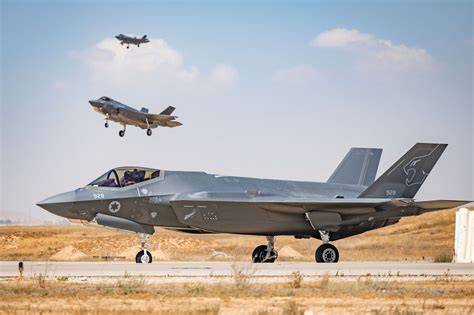
Among international F-35 users, Israel has received a unique level of access and customization.
The Israeli Air Force operates the F-35I Adir, a modified version of the aircraft designed specifically for Israeli requirements. Through special agreements with Washington, Israel gained greater flexibility in integrating domestic technologies into the aircraft.
Israel has been permitted to incorporate elements of its own electronic warfare systems and develop customized capabilities that other operators cannot independently install.
This arrangement reflects Israel’s unique defense relationship with the United States and its long-standing emphasis on maintaining domestic military innovation.
The Israeli example has become a source of frustration for some other F-35 operators. Countries that purchased the aircraft at significant cost argue that they should receive similar levels of technical independence.
However, Washington has treated the Israeli configuration as a special case rather than a standard model for all partners.
Why F-35 Stealth Maintenance Will Remain Highly Controlled
The restrictions surrounding F-35 stealth repairs are unlikely to disappear soon. As future conflicts become increasingly dependent on advanced sensors and electronic warfare, low-observable technology will remain one of the most protected military advantages.
The United States views control over stealth technology as essential to preserving the aircraft’s strategic value. Sharing complete repair capabilities could reduce that advantage and increase the risk of sensitive information reaching competitors.
For foreign operators, the F-35 remains a powerful but complex investment. They receive access to a fighter jet capable of transforming their air forces, but they also accept limitations on independent maintenance and modernization.
The central dilemma of the F-35 program is clear: the same technology that makes the aircraft revolutionary also makes it difficult for customers to fully control.
The F-35 is not simply a fighter jet that countries buy and maintain on their own terms. It is part of a global security ecosystem where technology, software, logistics, and strategic partnerships are deeply connected.
For nations operating the aircraft, the question is not whether the F-35 delivers extraordinary combat capability. It clearly does. The bigger question is how much independence they are willing to sacrifice in exchange for access to one of the world’s most advanced stealth fighters.