The story of warfare has always been a story of evolution—of tools, tactics, and the relentless pursuit of advantage. From cavalry charges to mechanized divisions, from battleships to ballistic missiles, each era crowned its dominant force. Today, that crown still rests firmly with the fighter jet. Fast, lethal, versatile, and technologically sophisticated, modern fighter aircraft represent the cutting edge of military capability and national ambition.
Yet behind every advanced jet lies something even more powerful: sovereignty. The ability to design, build, and maintain your own fighter fleet is not just a technological achievement—it’s a declaration of independence. In a world where alliances can shift and supply chains can fracture overnight, relying on foreign-built aircraft is a strategic vulnerability many nations can no longer afford.
This reality has driven a select group of countries to invest billions into indigenous aerospace programs. These nations are not just buying jets—they are engineering their own future in the skies.
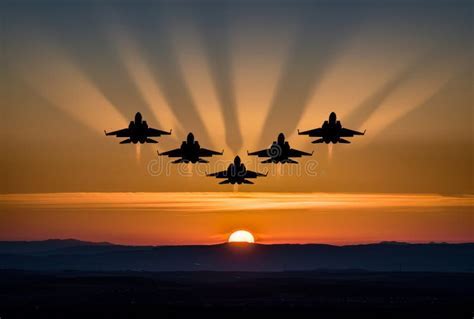
Why Fighter Jet Self-Sufficiency Matters More Than Ever
Modern fighter jets are among the most complex machines ever built. They combine stealth technology, advanced avionics, supersonic aerodynamics, and precision weapon systems into a single platform. Owning such aircraft is one thing—but controlling their production, upgrades, and maintenance is another entirely.
Countries that manufacture their own jets gain:
- Strategic autonomy in times of conflict
- Technological leadership across industries
- Economic benefits through exports and innovation
- Military customization tailored to unique operational needs
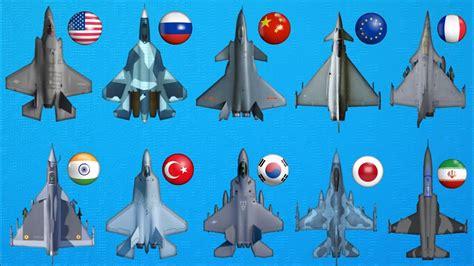
This is why only a handful of nations have crossed the threshold into true aerospace independence. Each has followed a different path—but all share one goal: control of the skies without compromise.
United States: The Undisputed Titan of Air Dominance
The United States stands alone at the top of the fighter jet hierarchy. With a fleet exceeding 2,000 aircraft and a defense industry that defines global standards, America’s dominance is both quantitative and qualitative.
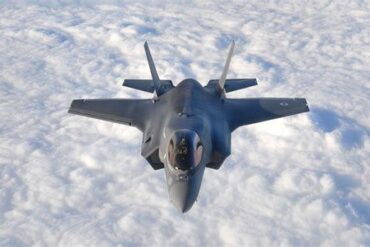
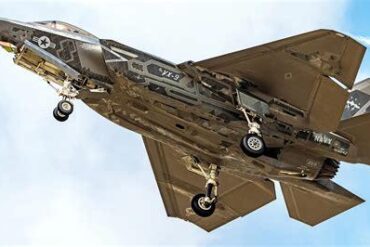
From legendary platforms like the F-15 and F-16 to stealth icons like the F-22 Raptor and F-35 Lightning II, the U.S. has consistently pushed the boundaries of what fighter jets can do. Companies such as Lockheed Martin, Boeing, and Northrop Grumman have turned innovation into a strategic weapon.
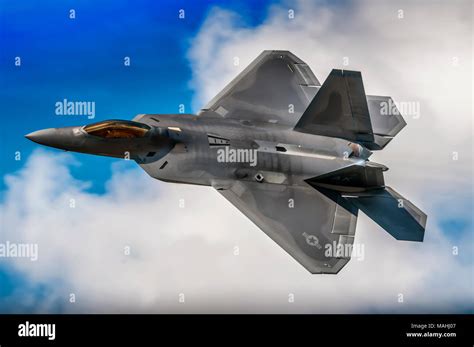
What sets the U.S. apart is not just its current arsenal, but its future vision. Development of sixth-generation fighters and next-gen propulsion systems ensures that America isn’t just leading—it’s defining the next era of aerial warfare.
Russia: Legacy Power Meets Modern Reinvention
Russia’s fighter jet lineage stretches back to the Soviet era, where engineering brilliance met geopolitical urgency. The MiG and Sukhoi design bureaus produced some of the most iconic aircraft in history, including the MiG-21 and MiG-25.
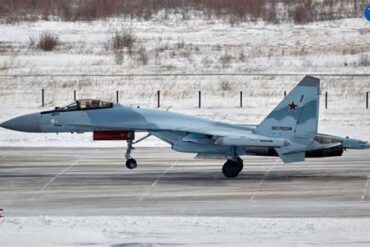
Today, under the umbrella of the United Aircraft Corporation, Russia continues to evolve. The Su-57 represents its entry into the stealth era, while platforms like the Su-35 emphasize maneuverability and raw performance.
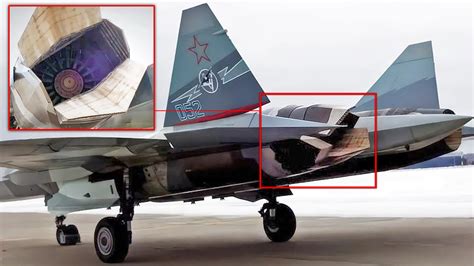
Despite challenges in modernization and funding, Russia remains a formidable force—particularly in aerodynamic design and high-speed interception capabilities.
China: Rapid Ascent to Aerospace Superpower
China’s rise in the fighter jet arena has been nothing short of explosive. Backed by massive state investment and industrial scale, the country has transitioned from reverse engineering to genuine innovation.
The J-20 “Mighty Dragon” signals China’s arrival in the stealth fighter club, while the J-35 continues to draw comparisons to Western designs. Meanwhile, platforms like the J-10C provide multirole flexibility.
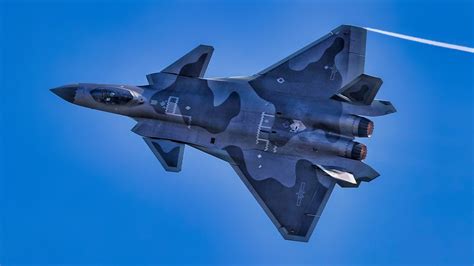
China’s strategy is clear: close the technological gap, then surpass it. With two major manufacturers—Chengdu and Shenyang—the country is building not just jets, but a self-sustaining aerospace ecosystem.
France: Precision Engineering and Export Excellence
France represents Europe’s most independent fighter jet producer. The Dassault Rafale is a masterpiece of multirole design—capable of air superiority, ground attack, and nuclear deterrence missions.
What makes France unique is its complete control over the production chain, from engines to avionics. This independence allows it to export the Rafale globally without external restrictions.
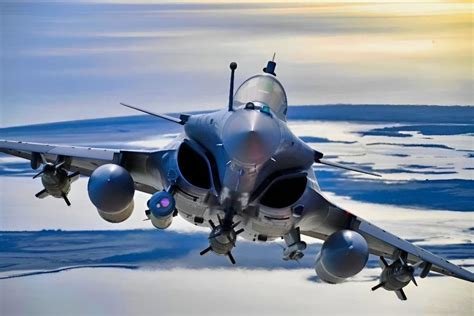
Despite occasional controversies, the Rafale remains one of the most sought-after fighters in the world—proof that precision and versatility still sell.
Eurofighter Consortium: Strength in Unity
The Eurofighter Typhoon is the result of an ambitious collaboration between the United Kingdom, Germany, Italy, and Spain. Designed as a high-performance air superiority fighter, it blends advanced avionics with impressive speed and agility.
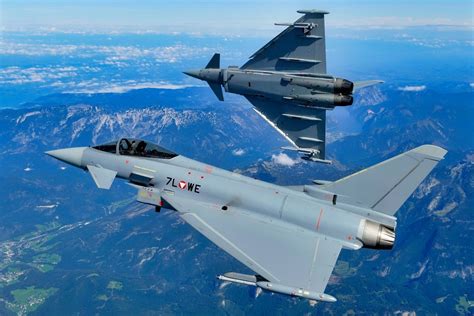
While collaboration brings complexity, it also delivers scale. The Typhoon has seen widespread adoption and export success, demonstrating that shared innovation can rival national programs.
Sweden: Small Nation, Big Innovation
Sweden’s Saab has proven that size is no barrier to excellence. The JAS 39 Gripen is a lightweight, cost-effective fighter designed for flexibility and rapid deployment.
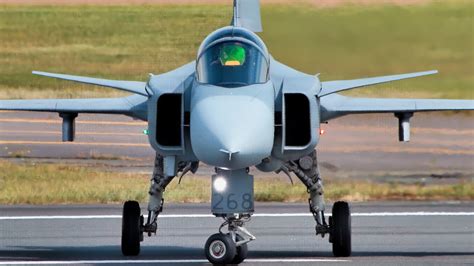
What sets the Gripen apart is its operational efficiency. It can take off from short runways, requires minimal maintenance, and integrates cutting-edge electronics—making it ideal for modern asymmetric warfare.
India: Building Capability Through Persistence
India’s journey to fighter jet independence has been long and complex. The HAL Tejas represents the culmination of decades of effort, delays, and technological hurdles.
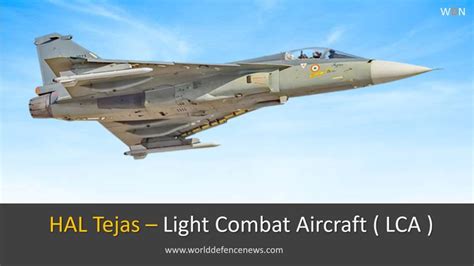
While not the most advanced fighter globally, the Tejas fulfills a critical role: a domestically controlled, scalable platform for national defense. India’s strategy blends indigenous development with licensed production, ensuring both capability and continuity.
Pakistan: Strategic Collaboration with China
Pakistan’s JF-17 Thunder, developed jointly with China, is a testament to strategic partnership. Built for affordability and versatility, the aircraft has become the backbone of Pakistan’s air force.
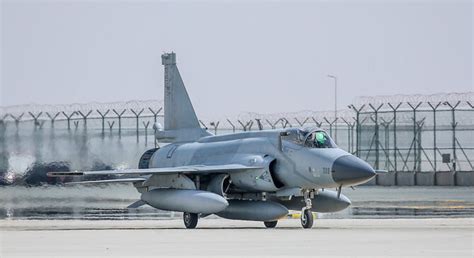
Its rapid production and deployment highlight a key advantage: efficient manufacturing aligned with operational needs.
South Korea: A New Contender Emerges
South Korea’s KF-21 Boramae marks a significant milestone—it is the nation’s first domestically developed fighter jet. Designed as a multirole platform, it balances advanced capabilities with export potential.
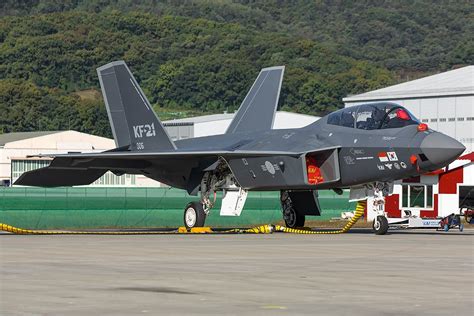
With international investment and strong government backing, South Korea is positioning itself as a serious player in the global defense market.
Turkey: Ambition Meets Independence
Turkey’s TF Kaan project reflects a bold push toward self-reliance. Moving beyond reliance on F-16s, the country is investing heavily in indigenous design and future-ready technologies.
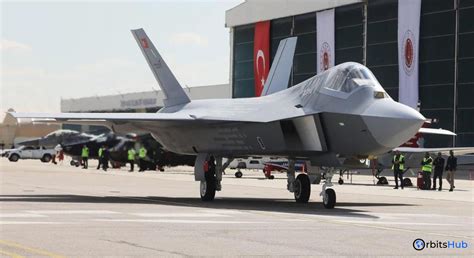
Though still in development, the Kaan represents more than a jet—it symbolizes Turkey’s determination to control its defense destiny.
Japan: From War Legacy to Future Innovation
Japan’s aerospace industry, led by Mitsubishi, combines historical experience with modern ambition. The F-2 has served reliably, but the upcoming F-X aims to leap into sixth-generation territory.
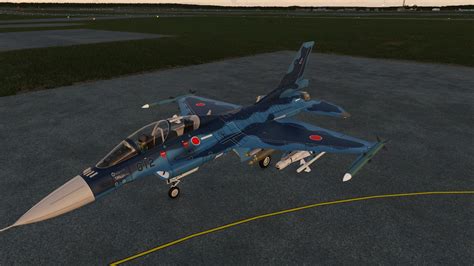
Japan’s approach is methodical and forward-looking, focusing on quality, precision, and next-generation integration.
Brazil: Industrial Strength in South America
Brazil’s Embraer has leveraged its commercial aviation success into military production. By manufacturing the Gripen E/F domestically, Brazil has secured both capability and technological transfer.
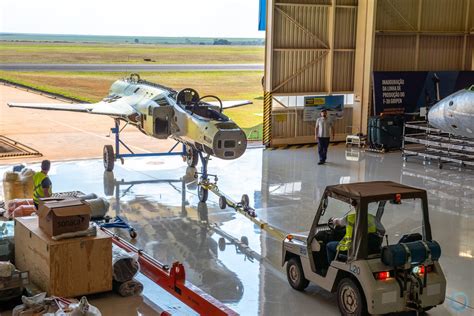
This hybrid model allows Brazil to accelerate its learning curve while maintaining sovereignty.
Argentina: Modest Means, Strategic Purpose
Argentina’s IA-63 Pampa III may not rival top-tier fighters, but it serves an essential role as a trainer and light combat aircraft.
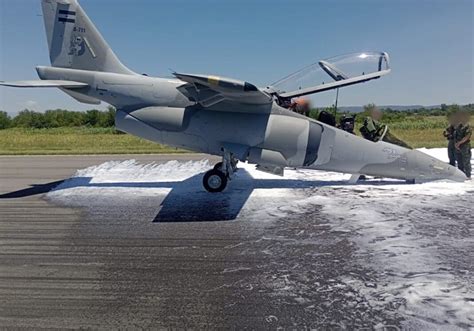
In a region with limited defense budgets, Argentina demonstrates that even modest programs can sustain aerospace capability.
The Future of Fighter Jet Independence
The global landscape of fighter jet production is shifting. Emerging technologies like artificial intelligence, unmanned systems, and hypersonic weapons are redefining what air superiority means.
What remains constant is the importance of control. Nations that invest in domestic aerospace capabilities are not just preparing for war—they are preparing for uncertainty.
In this high-stakes arena, fighter jets are more than machines. They are symbols of power, resilience, and national ambition—forged in steel, driven by innovation, and destined to rule the skies.