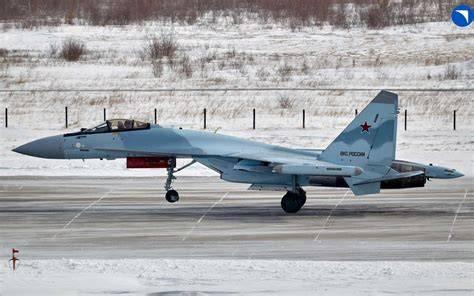
For decades, Soviet and later Russian fighter aircraft formed the backbone of air forces across Eastern Europe, Asia, Africa, and Latin America. From the legendary MiG-21 to the powerful Su-27 and modernized Su-35, Moscow built a reputation as one of the world’s dominant military aviation suppliers. Yet a profound transformation is underway. Nations that once depended on Russian combat aircraft are steadily abandoning them, replacing aging fleets with Western, European, and emerging Asian alternatives. The reasons extend far beyond politics. Sanctions, maintenance challenges, changing alliances, technological competition, and concerns over long-term reliability have combined to erode Russia’s position in the global fighter market.
The decline has not happened overnight. Instead, it has unfolded in several waves over more than three decades, each weakening Russia’s ability to maintain its status as a premier aircraft exporter. Today, only a shrinking circle of customers remains committed to Russian military aviation, while many former operators are actively seeking replacements.
The transformation illustrates how military aircraft purchases are rarely just about performance. Fighter acquisitions represent decades-long strategic relationships involving training, logistics, maintenance, upgrades, financing, and political trust. Increasingly, countries no longer view Russia as a dependable long-term partner.
The consequences are reshaping the global balance of military aerospace power.
After the collapse of the Soviet Union in 1991, many of Moscow’s traditional customers suddenly found themselves in an entirely new geopolitical landscape. During the Cold War, Soviet allies enjoyed generous financing and state-backed support programs that made fighter acquisitions affordable. Nations such as Cuba and North Korea had received aircraft under favorable arrangements supported by Moscow’s strategic ambitions.
When the Soviet Union disappeared, so did the economic structure that sustained these relationships. Russia inherited the defense industry but lacked the financial resources to continue subsidizing allies. As a result, countries that once relied heavily on Soviet aircraft stopped ordering new fighters.
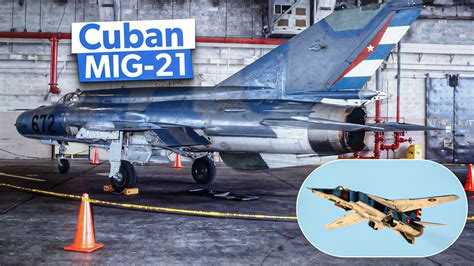
Cuba offers one of the clearest examples. During the Cold War, Havana possessed one of Latin America’s most formidable air forces. By 2026, however, virtually all of those Soviet-era aircraft had become inactive. The disappearance of Soviet financial support effectively froze modernization.
Eastern Europe experienced similar changes. Although nations such as Poland, Slovakia, Romania, Bulgaria, and Croatia continued operating inherited MiGs and Sukhois, they increasingly integrated into NATO and gradually shifted toward Western aircraft. Rather than purchasing new Russian fighters, they extended the life of existing fleets while preparing for replacements.
As decades passed, Soviet aircraft aged and retirement became inevitable.
The Collapse of Russia’s Monopoly Following the Cold War
The end of the Cold War created unprecedented freedom for many countries. Governments that previously had little choice in aircraft suppliers suddenly gained access to American, French, Swedish, and European products.
This diversification transformed the fighter market. Instead of relying exclusively on Moscow, states could evaluate competing offers based on technology, financing, training support, and diplomatic relationships.
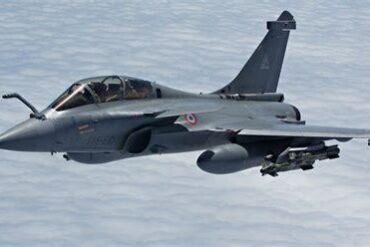
Romania chose F-16 fighters. Croatia selected Rafales. Slovakia replaced MiG-29s with American-built F-16s. Poland moved toward F-35 stealth aircraft. Serbia, historically close to Russia, surprised many observers by turning to France’s Rafale instead of purchasing additional MiG-29s.
The transition reflects changing strategic priorities. Aircraft are no longer judged solely by speed or payload. Interoperability with allies, software upgrades, access to weapons systems, and supply chain reliability matter just as much.
Crimea and the Beginning of a New Era of Sanctions
Russia’s annexation of Crimea in 2014 marked a turning point.
Western governments responded with sanctions that targeted sectors critical to Russia’s defense industry. While the effects initially appeared manageable, they introduced uncertainty into military cooperation with Moscow. Countries considering Russian fighters now had to evaluate the possibility that spare parts, maintenance, or financial transactions could become increasingly complicated.
The geopolitical risks associated with Russian equipment began to outweigh traditional advantages such as lower acquisition costs.
Many governments recognized that fighter purchases represented commitments extending over forty years or more. A platform that could not guarantee long-term support became a risky investment.
The concerns intensified dramatically after the United States introduced the Countering America’s Adversaries Through Sanctions Act, commonly known as CAATSA.
How CAATSA Changed Global Fighter Procurement
The 2017 CAATSA legislation transformed international defense markets.
The law empowered Washington to impose sanctions on countries conducting significant military transactions with Russia. Although implementation varied and exemptions existed, the threat itself became a powerful deterrent.
Countries suddenly faced difficult choices. Purchasing Russian fighters no longer involved only technical evaluations. It risked economic penalties and political consequences.
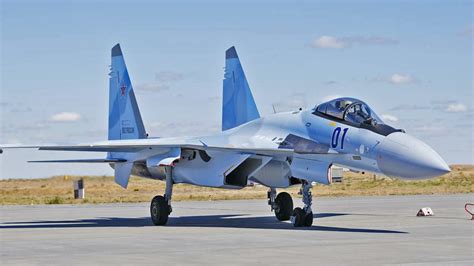
Indonesia became one of the most visible casualties. Jakarta abandoned plans to acquire eleven Su-35 fighters despite years of negotiations. Egypt similarly canceled its order for twenty Su-35 aircraft. The Philippines walked away from planned Russian helicopter purchases.
The law affected strategic calculations even in nations that had not yet finalized decisions. Serbia, once considered a likely customer for additional Russian fighters, eventually selected French Rafales.
Ironically, CAATSA did not generate a massive increase in American fighter sales. Instead, it created opportunities for European manufacturers and emerging competitors.
France’s Rafale became one of the greatest beneficiaries.
The 2022 Ukraine War Accelerated the Exodus
Russia’s invasion of Ukraine triggered an unprecedented wave of sanctions and dramatically altered perceptions of Russian military equipment.
The conflict intensified existing concerns over logistics, financing, and access to spare parts. More importantly, it raised questions regarding the combat effectiveness of Russian aerospace forces.
After years of fighting, Russia failed to establish complete air superiority over Ukraine despite possessing numerical advantages. Military planners worldwide observed the conflict closely.
The performance of aircraft themselves became only one part of the equation. Countries also studied maintenance efficiency, pilot training, electronic warfare capabilities, and command structures.
Confidence in Russia as a long-term defense partner suffered considerable damage.
Meanwhile, nations operating Soviet-era equipment found maintaining those aircraft increasingly difficult.
Maintenance Problems Are Becoming a Major Crisis
Sanctions affected more than new fighter sales. Existing operators discovered that sustaining aircraft fleets had become a serious challenge.
Many Soviet-designed platforms relied on maintenance facilities outside Russia. Some support networks existed in Belarus, Georgia, and Ukraine. However, changing political realities disrupted those arrangements.
For aircraft such as the Su-25, repair infrastructure became fragmented. Georgia’s facilities had suffered damage during earlier conflicts. Belarus faced sanctions after 2022. Ukraine, once an important maintenance hub, became inaccessible because of war.
As a result, countries struggled to keep aging aircraft operational.
Even helicopters experienced similar problems.
Bangladesh encountered complications involving Mi-171A2 helicopters ordered for police operations. Accepting delivery risked exposure to sanctions, while rejecting the aircraft threatened financial losses.
The situation illustrated how geopolitical pressures now affect even non-combat aviation purchases.
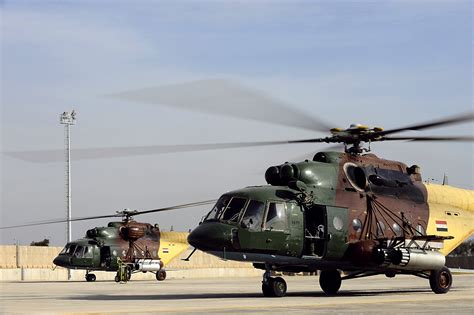
Colombia’s Mi-17 Crisis Demonstrates the Risks
Colombia’s experience has become one of the most revealing examples of post-sanctions challenges.
The Colombian Army relied heavily on approximately twenty Mi-17 helicopters for logistics and counterinsurgency missions. Their large capacity complemented smaller UH-60 Black Hawks.
As aircraft reached mandatory overhaul requirements, Colombia encountered unexpected obstacles. Existing contracts with Russian companies became difficult to execute because payment mechanisms risked violating sanctions.
Moscow proposed maintenance arrangements inside Colombia, but Bogotá feared secondary consequences.
Washington reportedly offered hundreds of millions of dollars to purchase the helicopters and transfer them elsewhere. Colombia declined and pursued alternative maintenance solutions involving American contractors and Russian oversight.
Progress proved slow and controversial. Corruption allegations and technical delays prolonged the process, leaving much of Colombia’s heavy transport capability unavailable.
Eventually, Colombian authorities announced plans to purchase dozens of new helicopters. Given the international environment, Russian manufacturers are unlikely to benefit.
New Competitors Are Filling the Vacuum
Another reason behind Russia’s declining fighter exports is the rise of attractive alternatives.
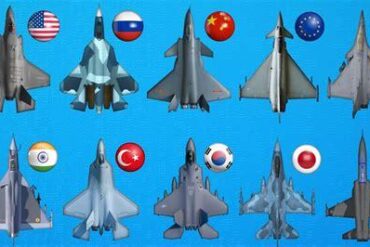
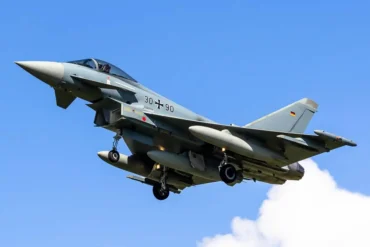
France’s Rafale has emerged as one of the world’s most successful multirole fighters. Sweden’s Gripen offers affordability and operational flexibility. Europe’s Eurofighter continues attracting customers. South Korea’s KF-21 promises advanced capabilities, while Turkey’s Kaan project seeks entry into the export market.
China has also reduced dependence on Russian aircraft.
Beijing received its final Su-35 fighters in 2019 and increasingly relies on indigenous designs. Chinese aerospace companies now produce sophisticated fighters that rival foreign platforms.
Pakistan and China jointly developed the JF-17 Thunder, creating a cost-effective option for countries unable or unwilling to purchase expensive Western aircraft.
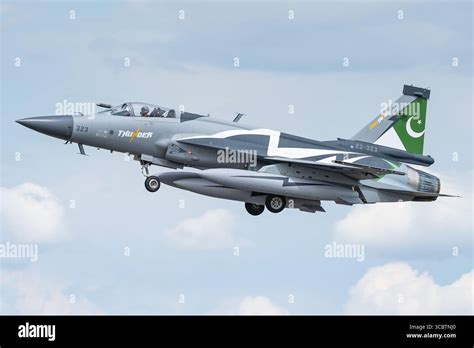
For budget-conscious nations, these alternatives provide capabilities once supplied by MiG-29s and other Russian designs.
Competition has become fierce, and Russia no longer enjoys the advantages it once possessed.
India Is Diversifying After Decades of Dependence
India has historically been among Russia’s most important customers.
For decades, Soviet and Russian aircraft formed the foundation of India’s air power. The Su-30MKI remains one of the country’s primary fighters.
However, New Delhi increasingly favors diversification.
France supplied Rafales, while domestic programs such as the Tejas fighter are receiving growing emphasis. India’s concerns extend beyond sanctions. Russian ties with China create strategic discomfort because Beijing remains one of India’s principal rivals.
Diversification reduces vulnerabilities and strengthens India’s industrial base.
Rather than abandoning Russian systems entirely, India seeks a more balanced approach.
That trend mirrors decisions occurring across much of the world.
Performance and Prestige Have Suffered
Military procurement decisions are strongly influenced by reputation.
The Ukraine conflict exposed weaknesses in Russian air operations that many observers did not anticipate. Despite possessing substantial resources, Russia struggled to dominate Ukrainian skies.
Potential buyers naturally pay attention to battlefield performance.
Prestige matters in arms exports. Fighter aircraft symbolize technological sophistication and national power. If operational results fail to meet expectations, confidence declines.
Questions about electronic warfare effectiveness, pilot training, coordination, and precision strike capabilities have all affected perceptions of Russian aviation.
Meanwhile, Western and European aircraft continue demonstrating strong reputations supported by extensive international networks.
Russia’s Remaining Customers Face Limited Choices
Russian fighter exports have not disappeared entirely.
Countries including Belarus, Iran, Myanmar, Kazakhstan, and Algeria continue maintaining relationships with Moscow. In many cases, geopolitical realities limit alternatives.
Some governments already face Western sanctions, reducing the impact of additional penalties. Others maintain deep strategic ties with Russia that outweigh economic concerns.
Nevertheless, the overall customer base has narrowed considerably.
International data suggests Russia’s export backlog now trails behind the United States, France, China, South Korea, and several European competitors. The days when Russian aircraft dominated global arms markets have clearly faded.
A Long-Term Transformation Is Reshaping Military Aviation
The retreat from Russian fighter jets reflects more than sanctions or temporary politics. It represents a fundamental restructuring of global military aerospace relationships.
Countries increasingly prioritize supply chain security, technological modernization, political reliability, and industrial partnerships. The emergence of powerful competitors has accelerated this shift, providing governments with options unavailable during the Cold War.
Russia remains capable of producing advanced aircraft, and a market for those systems still exists. Yet the combination of sanctions, maintenance complications, changing alliances, battlefield perceptions, and growing competition has fundamentally altered the international landscape.
What was once one of Moscow’s greatest strategic strengths has gradually become one of its most challenging vulnerabilities. Around the world, nations are redefining their air forces for a new era, and increasingly, that future no longer includes Russian fighter jets.