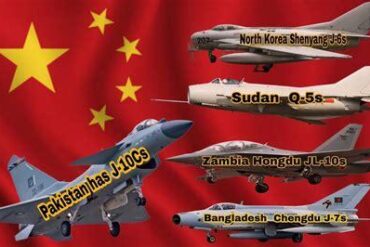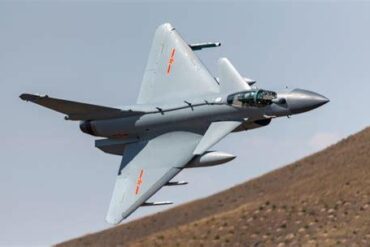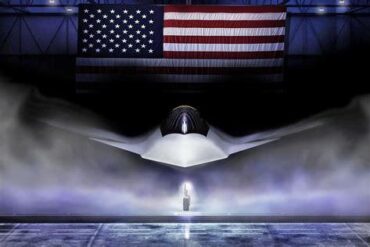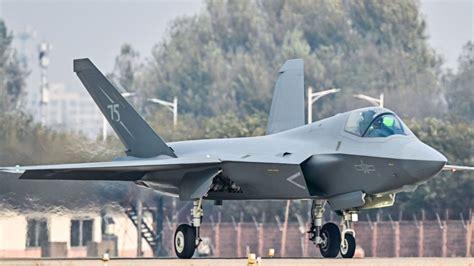
China’s fighter aircraft industry has evolved from producing basic Cold War designs to fielding advanced, export-ready platforms that rival Western and Russian competitors. Nations across Asia, Africa, and the Middle East are increasingly operating or planning to operate Chinese fighter jets, attracted by a combination of affordability, cutting-edge technology, and political flexibility. The JF-17 Thunder, J-10CE, and upcoming J-35 stealth fighter are reshaping the global defense procurement landscape, challenging the dominance of U.S., European, and Russian offerings.
Pakistan – The Flagship Operator
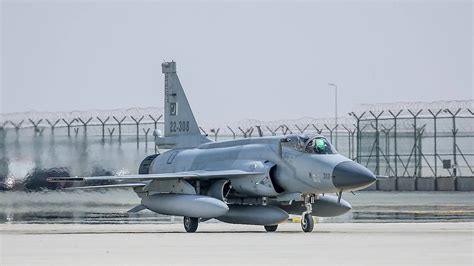
Pakistan stands as the largest and most significant operator of Chinese fighter jets. Its air force currently fields over 150 JF-17 Thunder aircraft (co-developed with China) and more than 75 J-10CE multirole fighters, with an additional 50 units ordered for delivery in 2025. The J-10CE, equipped with AESA radar and PL-15 long-range air-to-air missiles, proved its combat prowess in engagements with India’s Dassault Rafale, reportedly achieving a 6:0 kill ratio during clashes.
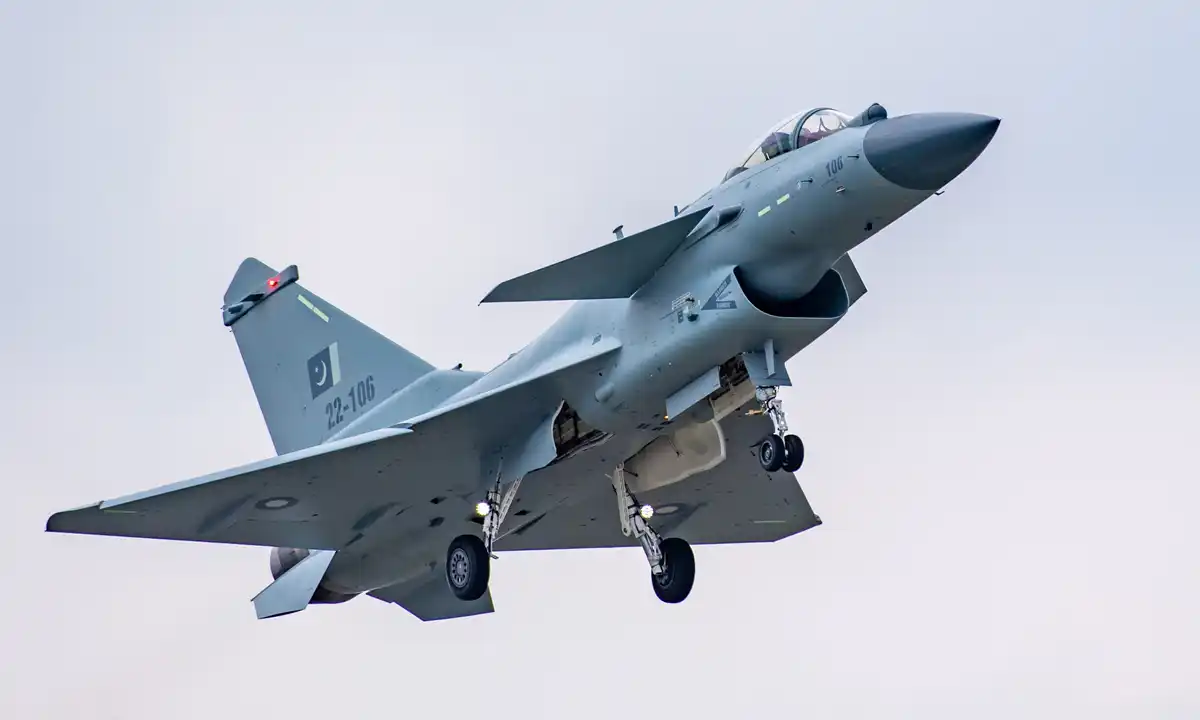
This deep cooperation underscores the strategic China-Pakistan defense relationship, with joint training, technology transfers, and rapid upgrades ensuring Pakistan remains a formidable air power in South Asia.
Egypt – Africa’s J-10CE Pioneer
In 2025, Egypt became the first African nation to secure 40 J-10CEs, marking a significant pivot from its earlier reliance on U.S. F-16s and French Rafales. Political restrictions on spare parts and escalating costs pushed Cairo toward Beijing. The J-10CE’s supercruise capability and advanced missile suite offer Egypt a modern edge in the volatile Middle East and North Africa region. Egypt’s older J-6 and J-7 series fighters are being phased out, with Chinese platforms serving as a cost-efficient yet powerful replacement.
Myanmar – Border Security and Modernization
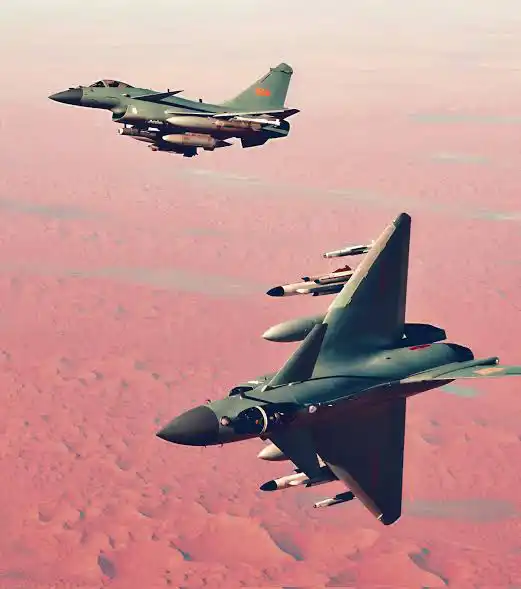
Myanmar has employed JF-17 Block 2 fighters for border patrol and counterinsurgency operations, supplementing its aging J-7 fleet. Facing regional airspace challenges, it plans to acquire 12 J-10CE fighters to replace its MiG-29 inventory. The move signals Myanmar’s ambition to transition toward a network-centric air combat capability leveraging Chinese avionics and weaponry.
Nigeria – First in Africa with the JF-17
Nigeria broke ground in African aviation history by being the first on the continent to operate the JF-17 Thunder. Primarily used for counter-terrorism missions against Boko Haram and ISIS-linked groups, the aircraft’s rugged design and low maintenance costs make it ideal for sustained operations in harsh environments.
Bangladesh – From J-7 to J-10CE
Bangladesh Air Force, traditionally reliant on Soviet-era jets, operates the J-7 series but is now transitioning to the J-10CE, with an order of 16 units placed. The acquisition is aimed at enhancing deterrence capabilities in the Bay of Bengal and maintaining regional air superiority.
Azerbaijan – Upgrading to Block 3
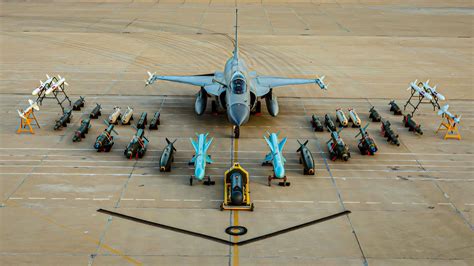
Azerbaijan has ordered 40 JF-17 Block 3 fighters, the most advanced variant featuring AESA radar, helmet-mounted display systems, and improved stealth coatings. This upgrade replaces earlier JF-17 models and is specifically intended to counter the Russian Su-30 platforms deployed by neighboring Armenia.
Pending Orders and Strategic Interest
Iran – Sanctions-Defying Acquisition
Iran has negotiated a $5 billion deal for 100 J-10CEs, bypassing U.S. sanctions through payments in oil and Chinese yuan. These fighters will replace Tehran’s aging F-14 Tomcats and MiG-29s, granting Iran a significant leap in aerial capability, particularly in beyond-visual-range combat.
Algeria – Replacing Russian Su-30s
Algeria is planning to retire its 75 Su-30MKA aircraft in favor of the J-10CE, while also pursuing the J-35 stealth fighter. This shift reflects broader trends of African air forces moving away from Russian hardware in light of supply chain disruptions and post-Ukraine war sanctions.
Saudi Arabia and UAE – Gulf Modernization
Both Saudi Arabia and the United Arab Emirates are in discussions to purchase 24+ J-10CEs each. Cost competitiveness, rapid delivery schedules, and the PL-15 missile’s 200km engagement range make the aircraft attractive as a complement or alternative to U.S. F-35s.
Colombia and Venezuela – Latin American Debut
Colombia and Venezuela have expressed interest in 24 J-10CEs each, seeking to bypass U.S. export restrictions. For Colombia, the acquisition cost is significantly lower than that of second-hand F-16s, while Venezuela aims to modernize its fleet in the face of prolonged U.S. embargoes.
Historical and Limited Operators
Several nations have historically operated Chinese fighters, mostly J-6 and J-7 variants:
- Tanzania, Sudan, and Iraq incorporated these jets during the Cold War era, with some still in limited service for training.
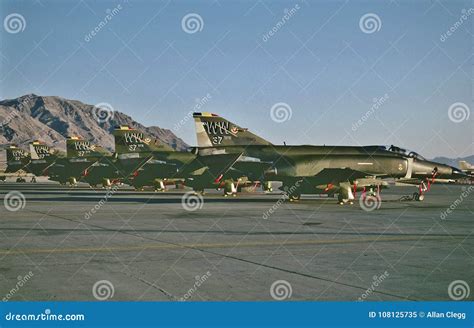
- The United States, surprisingly, purchased 24 J-7Bs in the 1980s for adversary training exercises to simulate MiG-21s.
Key Trends Driving Demand
- Technology Leap – The JF-17 Block 3 and J-10CE offer AESA radar, advanced ECM suites, and long-range PL-15 missiles capable of striking targets beyond 200 km.
- Geopolitical Realignment – Russia’s reduced ability to supply advanced jets post-Ukraine war has driven nations like Kazakhstan and Uzbekistan toward Chinese alternatives.
- Combat-Proven Reputation – Operational success, particularly Pakistan’s air combat engagements, has validated the platforms’ real-world effectiveness.
- No-Strings-Attached Deals – China’s export policy avoids restrictive end-use monitoring, making it appealing for states under Western embargoes.
| Country | Current Models | Future Orders / Plans | Key Notes |
|---|---|---|---|
| Pakistan | JF-17 (150+), J-10CE (75+) | +50 J-10CE | Largest operator, combat-proven |
| Egypt | J-10CE (40), J-6/J-7 | N/A | First African J-10CE operator |
| Myanmar | JF-17 Block 2, J-7 | +12 J-10CE | Replacing MiG-29s |
| Nigeria | JF-17 | N/A | First African JF-17 operator |
| Bangladesh | J-7 | +16 J-10CE | Transition from Soviet jets |
| Azerbaijan | JF-17 Block 3 | 40 ordered | Targeting Su-30 rivals |
| Iran | None | 100 J-10CE | Sanctions bypass via oil/RMB |
| Algeria | Su-30MKA (retiring) | J-10CE, J-35 | Replacing Russian jets |
| Saudi Arabia | None | 24+ J-10CE | Gulf modernization |
| UAE | None | 24+ J-10CE | Alternative to F-35 |
| Colombia | None | 24 J-10CE | Cost-effective over F-16s |
| Venezuela | None | 24 J-10CE | Countering embargo |
| Tanzania | J-6/J-7 | None | Legacy fleet |
| Sudan | J-6/J-7 | None | Limited use |
| Iraq | J-6/J-7 | None | Historical operator |
| USA | J-7B (training) | None | Aggressor training use |
FAQ
Which country operates the largest number of Chinese fighter jets?
Pakistan operates the largest fleet, with over 150 JF-17s and more than 75 J-10CEs, with additional deliveries scheduled.
Why are countries choosing Chinese fighter jets over Western or Russian models?
Key reasons include lower cost, rapid delivery, advanced missile systems, and China’s no-strings-attached export policy, which contrasts with Western restrictions and Russia’s current supply limitations.
What is the most advanced Chinese fighter jet available for export?
Currently, the J-10CE is the most advanced available for export, but the J-35 stealth fighter is expected to become the flagship for future international sales.