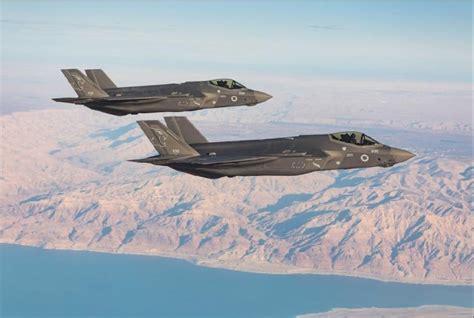
The Lockheed Martin F-35 Lightning II, hailed as the pinnacle of modern air combat technology, is not a product the United States sells indiscriminately. While widely exported to key allies, the F-35’s export list is as much a geopolitical chessboard as a commercial catalog. Due to national security concerns, technology protection mandates, and strategic alliances, several countries have found themselves banned or indefinitely delayed from acquiring the fifth-generation stealth fighter. This article details exactly which countries have been barred, and why the US has enforced such bans.
Why The United States Blocks F-35 Sales To Certain Countries
Unlike the F-22 Raptor, which is outright banned from export under US law, the F-35 was designed from inception as a multinational fighter jet. With partners like the United Kingdom, Australia, and Japan, the F-35 is intended as the backbone of allied airpower for decades. However, strict restrictions remain on who can join the exclusive club of F-35 operators.
Two core reasons underpin these restrictions: safeguarding the jet’s stealth technology and electronic warfare capabilities, and maintaining Israel’s Qualitative Military Edge (QME), as mandated by the US-Israel Strategic Partnership Act of 2014.
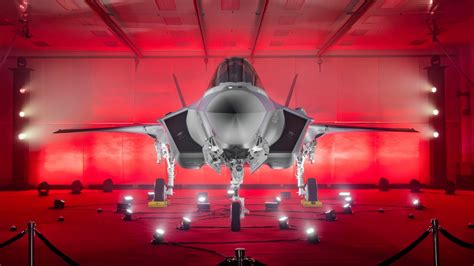
Additionally, the threat posed by Huawei 5G networks and other Chinese technological infrastructures within prospective buyer nations has emerged as a decisive factor. The F-35’s classified systems are vulnerable to data interception if operated within compromised digital environments. This technological security concern extends to fears of Chinese or Russian espionage.
Turkey: From Partner To Outcast
Perhaps the most infamous example of the US retracting an F-35 sale involves Turkey, a NATO ally. Initially a developmental partner, Turkey committed to purchasing 100 F-35A fighters and invested $1.4 billion. Turkish pilots even trained on the aircraft in the US. But Turkey’s purchase of Russia’s S-400 SAM system proved irreconcilable for Washington. Fearing that the Russian system could harvest sensitive radar signature data from the stealth jet, the US expelled Turkey from the program in 2019.
Turkey’s attempts to return to the program remain unsuccessful as of July 2025, although Ankara actively seeks alternative platforms, including the Eurofighter Typhoon and its domestic stealth fighter project, the TAI Kaan.
Middle East: Protecting Israel’s Military Superiority
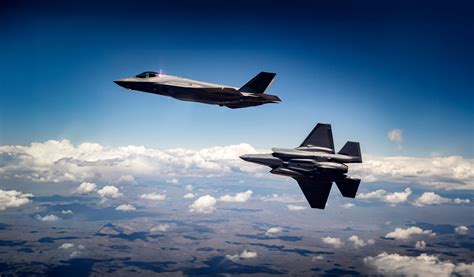
A significant portion of the Middle Eastern countries eager for the F-35 have faced rejection. Despite substantial military relationships with Washington, countries such as the United Arab Emirates (UAE), Qatar, Saudi Arabia, and Egypt remain blocked from purchasing the aircraft.
- The UAE, under the Trump Administration, briefly secured preliminary agreements for 50 F-35s. However, concerns over Huawei 5G infrastructure and its implications for data security derailed the deal.
- Egypt’s request to buy 20 F-35As similarly collapsed, due to technology security fears and to prevent diluting Israel’s technological edge.
- Saudi Arabia’s overtures for the F-35 have repeatedly been denied, despite its major arms deals with the US totaling over $142 billion in 2025.
- Qatar, strategically critical yet politically complex, has also been quietly rebuffed for reasons thought to align with Israeli security.
A notable exception may be Morocco, which, due to its long-standing ties with the US and geographical distance from Israel, could potentially secure an F-35 deal in the near future.
Asian Countries: Fear of Chinese Influence Blocks Sales
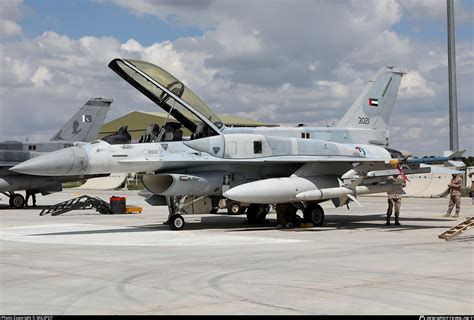
In Asia-Pacific, the F-35 has found buyers in Japan, South Korea, and Australia, but other regional aspirants have been repeatedly blocked.
- Taiwan, despite decades of pleading, remains prohibited from acquiring the F-35. The US fears both provoking China and the risk of Chinese espionage on the island. Intelligence reports estimate over 5,000 Chinese spies are operating in Taiwan.
- Thailand, a Major Non-NATO Ally, has been denied access to the F-35. The Thai military’s warming ties with Beijing and reliance on Chinese technology have raised serious US security alarms.
- Indonesia also saw its application rejected. While Jakarta canceled plans to buy Russian Su-35s under American pressure, the US still cited long wait times, cost issues, and security concerns, though Beijing’s influence likely underpinned the refusal.
Historical Context: US Caution on Fighter Jet Exports
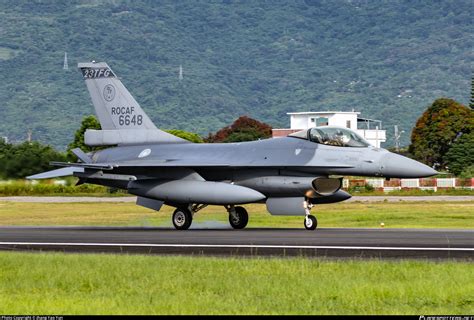
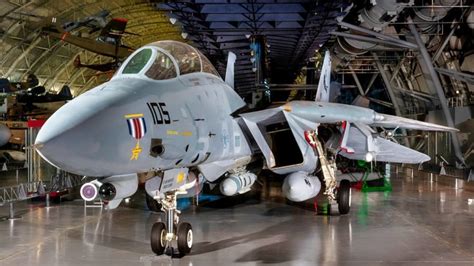
The US military’s export skepticism isn’t new. F-14 Tomcats, originally sold to Iran during the Shah’s reign, later became a liability after the 1979 revolution. Sales of the F-15 Eagle were historically limited to trusted allies, such as Japan, Australia, and Israel. Even the ubiquitous F-16 Fighting Falcon faced export blocks in the past, with Latin American nations barred for several years.
Venezuela’s 1980s acquisition of F-16s exemplifies US regret; diplomatic deterioration led to fears that Caracas might sell the aging jets to China. These historical lessons inform today’s cautious stance on the F-35.
Technological Security and Strategic Controls
The F-35’s sensitive systems remain closely guarded. Export partners are prohibited from modifying the aircraft’s core software or hardware without US approval. Israel stands as the only exception, with limited permissions to integrate proprietary weapons.
Moreover, export contracts stipulate stringent controls over pilot selection, forbidding individuals with dual citizenships from operating the jet. Israeli pilots with non-Israeli passports, for instance, are barred from F-35 cockpits.
Conclusion: A Weapon of Power Projection
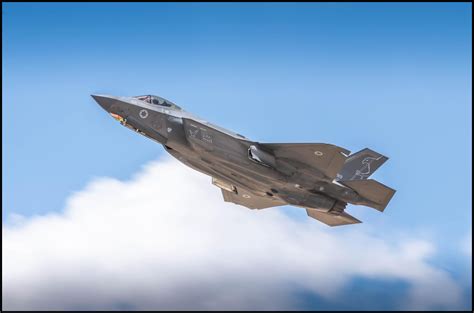
The F-35 Lightning II embodies not just American air superiority but strategic leverage. Its export is dictated less by market demands and more by a desire to shape global power balances. Any country perceived as being too closely tied to China or Russia, or threatening Israel’s technological dominance, faces rejection.
With Saudi Arabia, UAE, Turkey, Taiwan, Thailand, Indonesia, Egypt, and Qatar denied access, the US’s geopolitical calculus is clear: the F-35 remains a tool not just for defense, but for preserving a carefully constructed world order.
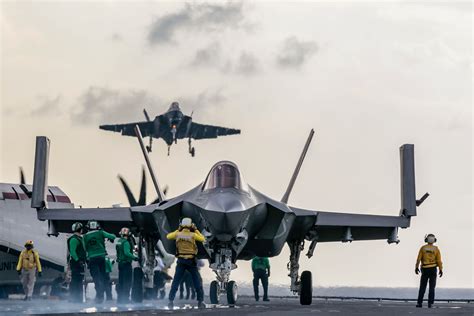
As global tensions escalate and defense alliances shift, some of these export bans may evolve. But for now, the F-35’s flight path is tightly controlled by Washington.